Best Coffee for Drip Coffee Makers in 2026
Even the best drip coffee maker cannot overcome the wrong bean choice, and matching your coffee to how a drip machine actually extracts flavor makes a bigger difference than most buyers expect. Drip brewing has its own extraction characteristics, distinct from espresso or pour over, which means certain roast levels, grind sizes, and bean origins tend to perform better in this specific method than others.
This guide covers what actually makes coffee a good match for drip brewing, and how to choose beans that will taste their genuine best in your specific machine.
Compare Products

- EgCoffee Score9.0
EgCoffee Score is a ranking system developed by EgCoffee.com. EgCoffee score has no relationship or impact from any manufacturers or sales agent websites. Learn more
- BrandN/A

- EgCoffee Score8.8
EgCoffee Score is a ranking system developed by EgCoffee.com. EgCoffee score has no relationship or impact from any manufacturers or sales agent websites. Learn more
- BrandN/A

- EgCoffee Score9.2
EgCoffee Score is a ranking system developed by EgCoffee.com. EgCoffee score has no relationship or impact from any manufacturers or sales agent websites. Learn more
- BrandN/A

- EgCoffee Score9.2
EgCoffee Score is a ranking system developed by EgCoffee.com. EgCoffee score has no relationship or impact from any manufacturers or sales agent websites. Learn more
- BrandN/A
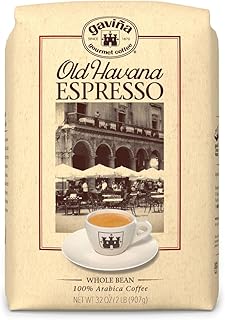
- EgCoffee Score9.0
EgCoffee Score is a ranking system developed by EgCoffee.com. EgCoffee score has no relationship or impact from any manufacturers or sales agent websites. Learn more
- BrandGavina

- EgCoffee Score9.2
EgCoffee Score is a ranking system developed by EgCoffee.com. EgCoffee score has no relationship or impact from any manufacturers or sales agent websites. Learn more
- BrandN/A

- EgCoffee Score9.0
EgCoffee Score is a ranking system developed by EgCoffee.com. EgCoffee score has no relationship or impact from any manufacturers or sales agent websites. Learn more
- BrandLavazza

- EgCoffee Score9.0
EgCoffee Score is a ranking system developed by EgCoffee.com. EgCoffee score has no relationship or impact from any manufacturers or sales agent websites. Learn more
- BrandN/A

- EgCoffee Score9.6
EgCoffee Score is a ranking system developed by EgCoffee.com. EgCoffee score has no relationship or impact from any manufacturers or sales agent websites. Learn more
- BrandN/A

- EgCoffee Score9.2
EgCoffee Score is a ranking system developed by EgCoffee.com. EgCoffee score has no relationship or impact from any manufacturers or sales agent websites. Learn more
- BrandN/A

- EgCoffee Score9.0
EgCoffee Score is a ranking system developed by EgCoffee.com. EgCoffee score has no relationship or impact from any manufacturers or sales agent websites. Learn more
- BrandN/A

- EgCoffee Score9.4
EgCoffee Score is a ranking system developed by EgCoffee.com. EgCoffee score has no relationship or impact from any manufacturers or sales agent websites. Learn more
- BrandN/A
Last update on 2026-08-04 / Affiliate links / Images, Product Titles, and Product Highlights from Amazon Product Advertising API
Drip machines pass water through grounds relatively quickly compared to methods like French press or cold brew, which means the coffee needs a grind size and roast profile that extracts well within that shorter contact time. Beans roasted or ground for a different method, like espresso's fine grind or French press's coarse grind, generally underperform in a standard drip machine even if the beans themselves are genuinely high quality coffee.
Medium roasts tend to perform particularly well in drip machines, offering a balance of acidity and body that suits the method's moderate extraction time better than very light or very dark roasts at the extremes. Light roasts can taste sour or underextracted in a drip machine if the water temperature runs even slightly low, while very dark roasts can turn bitter if the machine brews on the hotter end of the recommended range, making medium roasts the safer default choice for most everyday drip brewing.
A medium grind, similar in texture to coarse sand, is the standard recommendation for drip brewing, since it allows proper extraction within the several minute brew cycle without over or under extracting the grounds. Pre ground coffee labeled specifically for drip machines is generally a safe choice, but if you grind your own beans, dialing in the right coarseness makes a more noticeable difference than most other variables.
Whole beans ground fresh right before brewing consistently produce better flavor than pre ground coffee, since ground coffee begins losing aromatic compounds within minutes of grinding. If convenience matters more than maximizing flavor, quality pre ground coffee from a reputable roaster still performs reasonably well in a drip machine, particularly if stored properly in an airtight container away from light and heat.
Blends are often specifically formulated to perform consistently across brewing methods, including drip, making them a reliable choice if you want predictable results without much experimentation. Single origin beans can offer more distinct, interesting flavor profiles, but some origins and processing methods suit drip brewing better than others, so it is worth researching a specific origin's typical flavor notes before committing to a large bag of an unfamiliar coffee.
Coffee begins losing flavor within two to three weeks of the roast date, so checking for a roast date rather than a generic best by date helps you buy genuinely fresh beans. Store coffee in an airtight container away from light, heat, and moisture, and avoid the freezer for regularly used coffee, since repeated temperature changes from freezing and thawing can actually degrade flavor faster than proper room temperature storage. Buying smaller quantities more frequently, rather than a large bag that sits open for weeks, is one of the simplest ways to keep your drip coffee tasting consistently fresh.
A common starting ratio for drip brewing is two tablespoons of ground coffee per six ounces of water, though personal taste and specific bean characteristics may call for adjustment. Starting with this ratio and adjusting slightly stronger or weaker based on taste is more reliable than guessing at a ratio from scratch, particularly when trying a new bean or roast level for the first time. Keeping a simple note of ratios you liked for specific beans makes it much easier to replicate a good result the next time you buy the same coffee.
Decaf beans processed using the Swiss Water or CO2 methods generally preserve more of the original flavor profile than older chemical decaffeination processes, making them a better match for drip brewing if you want a full flavored cup without caffeine. Look specifically for the decaffeination method listed on the bag, since this detail affects final taste more than most buyers realize when comparing decaf options.
Buying a smaller bag or sample size when trying an unfamiliar roast or origin lets you evaluate how it actually performs in your specific drip machine before committing to a larger, less flexible quantity. This approach is particularly useful if you are experimenting with single origin beans for the first time, since flavor performance in drip brewing can vary more between origins than many buyers expect going in.
What roast level works best for drip coffee makers? Medium roasts generally perform most consistently in drip machines, balancing acidity and body better than very light or very dark roasts at the extremes.
Should I buy whole bean or pre ground coffee for a drip machine? Whole beans ground fresh right before brewing produce noticeably better flavor, though quality pre ground coffee still works reasonably well if freshness and convenience matter more to you.
How fine should coffee be ground for a drip machine? A medium grind, similar to coarse sand in texture, is the standard recommendation for proper extraction within a drip machine's brew cycle.
Choosing coffee that actually suits drip brewing, rather than assuming any bag of coffee performs the same regardless of method, makes a genuine difference in your final cup. Prioritize medium roasts, proper grind size, and fresh beans, and you will get noticeably better results from the same machine you already own, without needing to spend more on the machine itself to taste the improvement.


Best Coffee Maker With Grinder: The Complete Buying Guide for 2026

Best Small Electric Coffee Makers in 2026: The Complete Buying Guide

Best Hot Chocolate for Keurig Coffee Makers in 2026: The Complete Buying Guide

Best German Made Coffee Makers in 2026: The Complete Buying Guide

Best Electric French Press Coffee Makers in 2026: The Complete Buying Guide