Best Coffee for Keurig Coffee Makers in 2026
Owning a Keurig style machine is only half the equation. The pod you actually load into it determines whether your morning cup tastes rich and balanced or thin and bitter. With hundreds of K-Cup options on the market, roast level, freshness, and pod quality matter just as much as the machine itself.
This guide breaks down what to actually look for when choosing coffee for a Keurig style single serve machine, so every cup lives up to what the brand promises on the box.
Compare Products

- EgCoffee Score9.4
EgCoffee Score is a ranking system developed by EgCoffee.com. EgCoffee score has no relationship or impact from any manufacturers or sales agent websites. Learn more
- BrandN/A

- EgCoffee Score9.6
EgCoffee Score is a ranking system developed by EgCoffee.com. EgCoffee score has no relationship or impact from any manufacturers or sales agent websites. Learn more
- BrandN/A

- EgCoffee Score9.4
EgCoffee Score is a ranking system developed by EgCoffee.com. EgCoffee score has no relationship or impact from any manufacturers or sales agent websites. Learn more
- BrandN/A

- EgCoffee Score9.4
EgCoffee Score is a ranking system developed by EgCoffee.com. EgCoffee score has no relationship or impact from any manufacturers or sales agent websites. Learn more
- BrandN/A

- EgCoffee Score9.6
EgCoffee Score is a ranking system developed by EgCoffee.com. EgCoffee score has no relationship or impact from any manufacturers or sales agent websites. Learn more
- BrandN/A

- EgCoffee Score9.4
EgCoffee Score is a ranking system developed by EgCoffee.com. EgCoffee score has no relationship or impact from any manufacturers or sales agent websites. Learn more
- BrandN/A

- EgCoffee Score9.4
EgCoffee Score is a ranking system developed by EgCoffee.com. EgCoffee score has no relationship or impact from any manufacturers or sales agent websites. Learn more
- BrandN/A

- EgCoffee Score8.6
EgCoffee Score is a ranking system developed by EgCoffee.com. EgCoffee score has no relationship or impact from any manufacturers or sales agent websites. Learn more
- BrandN/A

- EgCoffee Score8.6
EgCoffee Score is a ranking system developed by EgCoffee.com. EgCoffee score has no relationship or impact from any manufacturers or sales agent websites. Learn more
- BrandN/A

- EgCoffee Score9.4
EgCoffee Score is a ranking system developed by EgCoffee.com. EgCoffee score has no relationship or impact from any manufacturers or sales agent websites. Learn more
- BrandN/A

- EgCoffee Score9.4
EgCoffee Score is a ranking system developed by EgCoffee.com. EgCoffee score has no relationship or impact from any manufacturers or sales agent websites. Learn more
- BrandN/A

- EgCoffee Score8.8
EgCoffee Score is a ranking system developed by EgCoffee.com. EgCoffee score has no relationship or impact from any manufacturers or sales agent websites. Learn more
- BrandN/A
Last update on 2026-08-04 / Affiliate links / Images, Product Titles, and Product Highlights from Amazon Product Advertising API
We compared roast descriptions, verified customer reviews, and freshness packaging across widely available K-Cup brands, focusing on pods that consistently deliver a full flavored cup rather than a watered down one. Bold claims on packaging do not always match what happens after brewing, so we weighted real owner feedback about taste and consistency more heavily than marketing copy.
We also considered value per pod, since K-Cup coffee tends to cost significantly more per cup than bagged ground coffee, and paying a premium only makes sense if the flavor actually holds up.
Most standard K-Cup pods are designed to fit any Keurig branded machine using the classic K-Cup format, since the pod shape and puncture points are standardized across the lineup. Off brand pods sold as universal or compatible generally work the same way, though occasional fit issues have been reported on older machine models, so checking recent reviews for your specific machine generation is worth the extra minute.
Light roasts tend to preserve more of the bean's original acidity and fruit forward notes, and they generally carry slightly more caffeine per cup than darker roasts. Medium roasts offer a balanced flavor that works well for most drinkers and is the most common style found in grocery store K-Cup lineups. Dark roasts bring bolder, smokier flavor with lower acidity, which some drinkers prefer for an afternoon cup or with added milk.
If you are unsure where to start, a medium roast is the safest first purchase, since it avoids the extremes that light and dark roast drinkers tend to feel strongly about. Many brands also sell variety packs that include several roast levels in one box, which is a practical way to figure out your preference before committing to a full box of a single style.
Bean origin also plays a role in flavor beyond just roast level. Central and South American beans tend to produce a smoother, nuttier cup, while African origin beans often carry brighter, fruitier notes even at the same roast level.
Flavored K-Cup pods, from vanilla to seasonal pumpkin spice blends, use added natural or artificial flavoring oils sprayed onto the grounds before packaging. These can be a fun change of pace, but the flavoring can also mask lower quality beans, so it is worth trying a standard roast from the same brand to judge the base coffee quality on its own.
Many brands now offer a bold or extra bold line, which typically uses a slightly larger amount of coffee per pod rather than a different bean entirely. If your machine has a strong brew setting, pairing it with a standard pod can sometimes achieve a similar result without paying a premium for specially labeled bold pods.
Caffeine content varies more by roast and bean origin than most people expect, so if energy is your main goal, look specifically for pods labeled extra caffeine rather than assuming darker roasts are automatically stronger in caffeine.
Quality decaf K-Cup coffee has improved significantly in recent years, with many brands using the Swiss Water process to remove caffeine without harsh chemical solvents. Look specifically for this label if you are sensitive to residual processing flavors, since older decaffeination methods sometimes left a noticeably different taste compared to regular coffee.
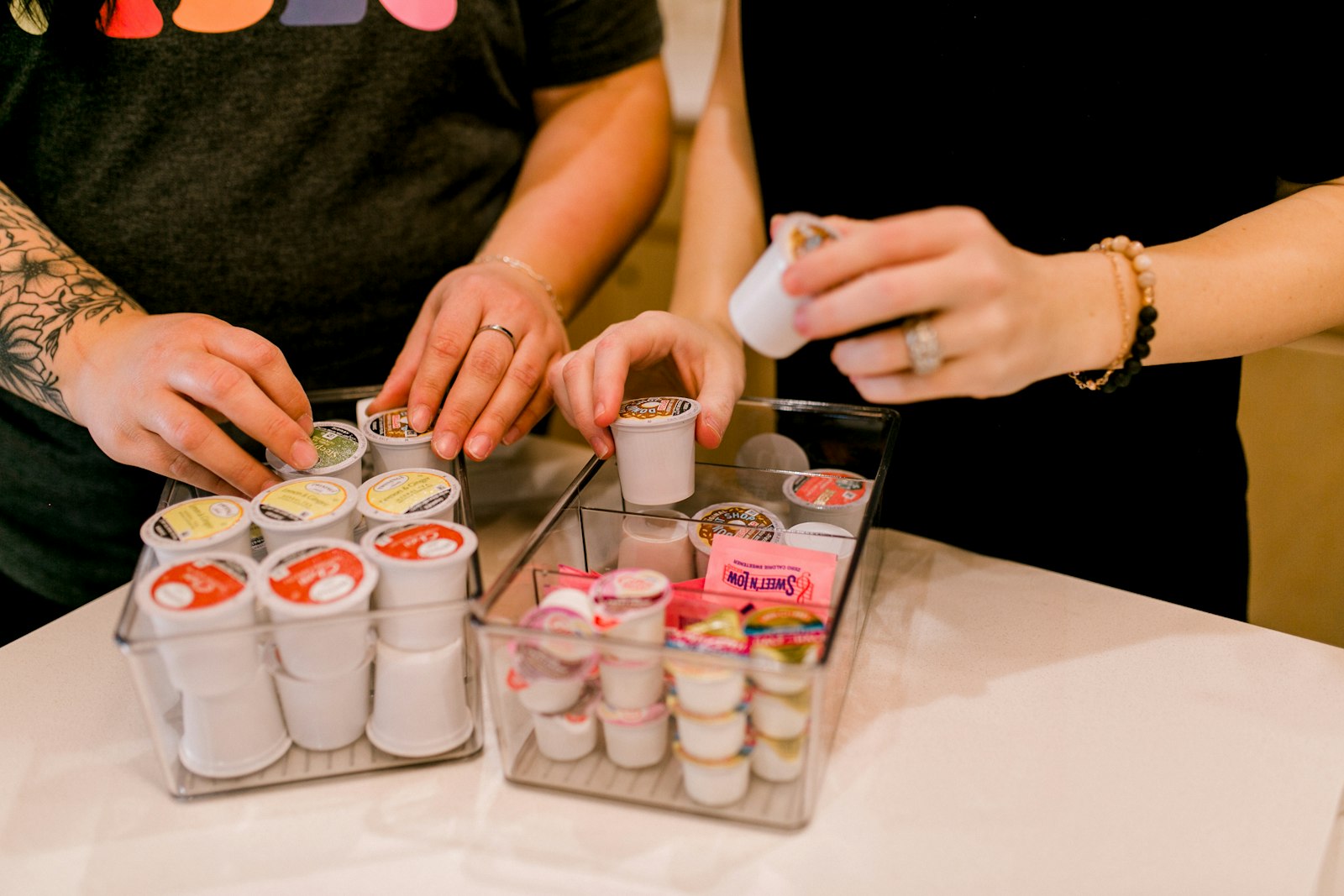
K-Cup pods are sealed to preserve freshness, but once opened they should be kept in a cool, dry place away from direct sunlight. Buying in bulk can save money, but only if you will realistically use the pods within a few months, since coffee flavor does fade over time even inside the sealed packaging.

Photo by Robert Clark on Unsplash
If you drink coffee daily, a reusable K-Cup filter can meaningfully cut costs over time by letting you brew your own ground coffee through the same machine. The tradeoff is a bit more cleanup after each cup and slightly more variability in flavor consistency compared to a factory sealed pod, but for heavy coffee drinkers the savings add up quickly over a year.
Packaging can be misleading if you do not know what to look for. Terms like gourmet or premium are not regulated and carry no guaranteed quality standard, so they should not be the deciding factor in a purchase. Instead, check the roast date if the brand provides one, since fresher coffee almost always tastes noticeably better than pods that have been sitting in a warehouse for months.
Certifications such as Rainforest Alliance or Fair Trade indicate sourcing practices rather than flavor, but they can still be a useful tiebreaker between two similarly rated options if ethical sourcing matters to you as a buyer.
Do all K-Cup pods work in every Keurig machine? Standard format pods generally work across the Keurig lineup, though it is worth double checking reviews for your specific model if you are buying a newer machine or an off brand pod.
Why does my K-Cup coffee taste weak? This is usually a combination of cup size setting and pod strength. Choosing a smaller cup size setting concentrates the same amount of coffee into less water, producing a noticeably stronger cup.
Is K-Cup coffee more expensive than ground coffee? Yes, typically. The convenience and consistency come at a real cost per cup compared to buying a bag of ground coffee, which is why many households mix pods for busy mornings with a reusable filter or drip machine for the rest of the week.


Best Coffee Maker With Grinder: The Complete Buying Guide for 2026

Best Small Electric Coffee Makers in 2026: The Complete Buying Guide

Best Hot Chocolate for Keurig Coffee Makers in 2026: The Complete Buying Guide

Best German Made Coffee Makers in 2026: The Complete Buying Guide

Best Electric French Press Coffee Makers in 2026: The Complete Buying Guide