Best Coffee Makers for Lattes in 2026
Making a real latte at home comes down to one thing most basic drip machines simply cannot do: producing both a concentrated coffee base and properly steamed or frothed milk. If your current machine only brews a standard pot, you are missing half of what a latte actually requires, no matter how good the coffee itself tastes.
This guide breaks down what separates a coffee maker that can genuinely produce a café style latte at home from one that only claims to, and how to match a machine to your actual routine.
Compare Products
- EgCoffee Score8.2
EgCoffee Score is a ranking system developed by EgCoffee.com. EgCoffee score has no relationship or impact from any manufacturers or sales agent websites. Learn more
- BrandDe'Longhi

- EgCoffee Score8.2
EgCoffee Score is a ranking system developed by EgCoffee.com. EgCoffee score has no relationship or impact from any manufacturers or sales agent websites. Learn more
- BrandN/A

- EgCoffee Score9.0
EgCoffee Score is a ranking system developed by EgCoffee.com. EgCoffee score has no relationship or impact from any manufacturers or sales agent websites. Learn more
- BrandN/A

- EgCoffee Score8.2
EgCoffee Score is a ranking system developed by EgCoffee.com. EgCoffee score has no relationship or impact from any manufacturers or sales agent websites. Learn more
- BrandN/A

- EgCoffee Score9.2
EgCoffee Score is a ranking system developed by EgCoffee.com. EgCoffee score has no relationship or impact from any manufacturers or sales agent websites. Learn more
- BrandNespresso

- EgCoffee Score8.8
EgCoffee Score is a ranking system developed by EgCoffee.com. EgCoffee score has no relationship or impact from any manufacturers or sales agent websites. Learn more
- BrandN/A

- EgCoffee Score8.4
EgCoffee Score is a ranking system developed by EgCoffee.com. EgCoffee score has no relationship or impact from any manufacturers or sales agent websites. Learn more
- BrandN/A

- EgCoffee Score9.2
EgCoffee Score is a ranking system developed by EgCoffee.com. EgCoffee score has no relationship or impact from any manufacturers or sales agent websites. Learn more
- BrandN/A

- EgCoffee Score8.2
EgCoffee Score is a ranking system developed by EgCoffee.com. EgCoffee score has no relationship or impact from any manufacturers or sales agent websites. Learn more
- BrandDe'Longhi
- EgCoffee Score8.4
EgCoffee Score is a ranking system developed by EgCoffee.com. EgCoffee score has no relationship or impact from any manufacturers or sales agent websites. Learn more
- BrandDe'Longhi

- EgCoffee Score9.0
EgCoffee Score is a ranking system developed by EgCoffee.com. EgCoffee score has no relationship or impact from any manufacturers or sales agent websites. Learn more
- BrandN/A

- EgCoffee Score8.8
EgCoffee Score is a ranking system developed by EgCoffee.com. EgCoffee score has no relationship or impact from any manufacturers or sales agent websites. Learn more
- BrandN/A
Last update on 2026-08-04 / Affiliate links / Images, Product Titles, and Product Highlights from Amazon Product Advertising API
A true latte needs two components working together: a concentrated coffee base, typically espresso, and milk that has been steamed or frothed to a microfoam texture. Machines marketed for lattes generally fall into one of three categories, a built in steam wand, an automatic milk frother, or a capsule system with a separate frothing attachment, and each produces noticeably different results.
Steam wands, found on semi automatic and prosumer espresso machines, give you the most control over milk texture but require some practice to use well. Automatic frothers built into super automatic machines are far more consistent for beginners, though the foam they produce is usually less dense than a well steamed wand pour. Capsule based frothers are the easiest entry point but tend to produce the thinnest, least café like foam of the three.
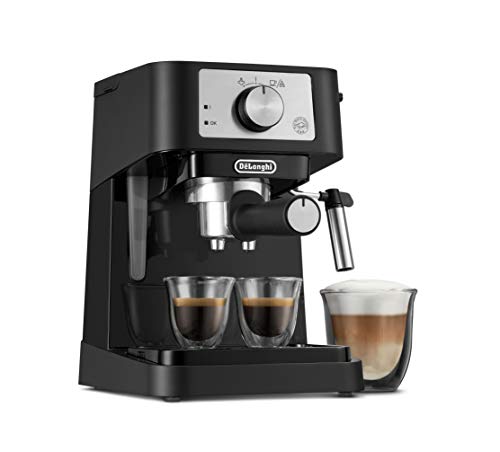
Semi automatic espresso machines with a manual steam wand remain the gold standard for latte quality, since they let you control both the temperature and texture of the milk in real time. The tradeoff is a genuine learning curve. Expect your first several attempts to produce foam that is either too thin or too bubbly before you develop a feel for positioning the wand correctly at the surface of the milk.
Look for a wand with at least two pressure settings and a boiler that can maintain steam pressure through a full frothing cycle without the temperature dropping noticeably, since inconsistent steam output is one of the most common complaints on entry level machines in this category.
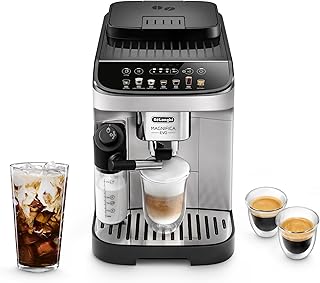
Super automatic machines handle grinding, brewing, and frothing at the push of a single button, making them the most practical option for households that want café style lattes without learning manual technique. Many models store multiple drink presets, so different household members can save their preferred milk ratio and strength.
The main limitation is foam density. Automatic frothers generally produce a lighter, airier foam compared to a well executed manual steam wand pour, which matters if you care about latte art or a very dense microfoam texture. For most everyday drinkers, though, the convenience trade off is well worth it.
Capsule based systems paired with a milk frothing attachment are the fastest and simplest way to make a latte at home, often finishing a full drink in under two minutes. This convenience comes with the most noticeable quality gap, since capsule espresso bases tend to be less concentrated than freshly ground espresso, and attached frothers generally produce thinner foam than dedicated wands.
These machines suit buyers who prioritize speed and simplicity over café level quality, particularly for a quick morning latte before work rather than a leisurely weekend pour.
The milk you use has a bigger impact on latte quality than most buyers expect going in. Whole milk produces the richest, most stable foam due to its fat content, while skim milk froths into larger, less stable bubbles that collapse faster. Popular plant based options vary widely. Oat milk generally froths well and holds its texture, while almond milk tends to produce thinner, less stable foam regardless of which machine you use.
Beyond the frothing method itself, a few features consistently separate satisfying latte machines from frustrating ones. A PID temperature controller keeps water temperature stable shot to shot, which matters more for espresso extraction than most buyers realize. A large enough water reservoir avoids constant refills during a busy morning, and a removable drip tray makes daily cleanup meaningfully faster.
Noise level is also worth checking before you buy, since steam wands and built in grinders on automatic machines can be surprisingly loud, an important consideration for early mornings in an apartment or shared living space.
Machines that process milk need more frequent cleaning than a standard drip coffee maker, since dried milk residue in a steam wand or automatic frother can affect both taste and hygiene fairly quickly. Wipe the steam wand immediately after each use, and run any built in cleaning cycle on automatic frothers at least a few times per week if you use the machine daily.
Descaling on a regular schedule remains just as important for espresso based machines as it is for drip coffee makers, since mineral buildup affects both brew temperature and steam output over time.
A single steam wand machine works well for one or two people who enjoy the process of dialing in their drink each morning. A super automatic model with multiple saved presets tends to suit larger households with different preferences, while a capsule based system fits best for buyers who mainly want speed on weekday mornings and do not mind a milder latte compared to café quality.
Do I need an espresso machine to make a latte at home? Not strictly, though true espresso produces the most authentic latte base. Some drip machines paired with a separate milk frother can produce a reasonable approximation using strongly brewed coffee instead of espresso.
Which type of milk frother is best for beginners? Automatic frothers built into super automatic machines are generally the most forgiving for beginners, since they require no manual technique to produce consistent results.
How often should I clean a steam wand? Wipe it down immediately after every single use, and run a deeper cleaning cycle at least once a week if you use it daily, to prevent dried milk residue from affecting taste.
Can I use a handheld milk frother instead of a machine attachment? Yes, a handheld frother paired with separately brewed strong coffee is a budget friendly way to approximate a latte without buying a dedicated machine.
The right latte machine depends far more on your patience for manual technique than on price alone. A steam wand rewards practice with genuinely café quality results, a super automatic machine trades a bit of foam quality for consistent convenience, and a capsule system prioritizes speed above all else. Match the machine to how much daily effort you actually want to put in, and you will end up with a latte routine that sticks rather than one you abandon after a few weeks.


Best Coffee Maker With Grinder: The Complete Buying Guide for 2026

Best Small Electric Coffee Makers in 2026: The Complete Buying Guide

Best Hot Chocolate for Keurig Coffee Makers in 2026: The Complete Buying Guide

Best German Made Coffee Makers in 2026: The Complete Buying Guide

Best Electric French Press Coffee Makers in 2026: The Complete Buying Guide