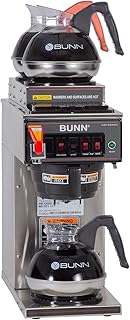
Best European Coffee Makers in 2026
European coffee makers span a genuinely diverse range of brewing traditions, from Italian espresso machines and moka pots to German engineered drip machines and Swiss fully automatic bean to cup systems. This genuine diversity reflects distinct regional coffee cultures that have each independently developed their own approach to brewing over many generations of refinement.
This guide covers the main European coffee maker traditions, standout brands from different countries, and exactly what sets European engineering apart from other coffee maker origins around the world.
Compare Products

- EgCoffee Score7.8
EgCoffee Score is a ranking system developed by EgCoffee.com. EgCoffee score has no relationship or impact from any manufacturers or sales agent websites. Learn more
- BrandTerra Kaffe

- EgCoffee Score8.4
EgCoffee Score is a ranking system developed by EgCoffee.com. EgCoffee score has no relationship or impact from any manufacturers or sales agent websites. Learn more
- BrandBosch
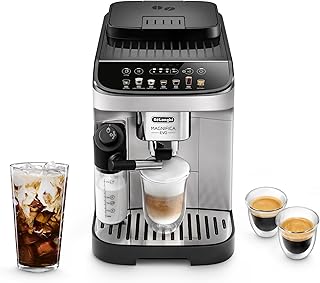
- EgCoffee Score8.2
EgCoffee Score is a ranking system developed by EgCoffee.com. EgCoffee score has no relationship or impact from any manufacturers or sales agent websites. Learn more
- BrandDe'Longhi
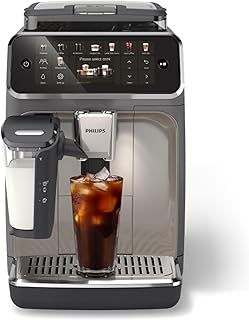
- EgCoffee Score8.4
EgCoffee Score is a ranking system developed by EgCoffee.com. EgCoffee score has no relationship or impact from any manufacturers or sales agent websites. Learn more
- BrandPhilips Kitchen Appliances

- EgCoffee Score9.0
EgCoffee Score is a ranking system developed by EgCoffee.com. EgCoffee score has no relationship or impact from any manufacturers or sales agent websites. Learn more
- BrandBreville

- EgCoffee Score8.6
EgCoffee Score is a ranking system developed by EgCoffee.com. EgCoffee score has no relationship or impact from any manufacturers or sales agent websites. Learn more
- BrandNinja

- EgCoffee Score7.6
EgCoffee Score is a ranking system developed by EgCoffee.com. EgCoffee score has no relationship or impact from any manufacturers or sales agent websites. Learn more
- BrandPhilips Kitchen Appliances

- EgCoffee Score7.6
EgCoffee Score is a ranking system developed by EgCoffee.com. EgCoffee score has no relationship or impact from any manufacturers or sales agent websites. Learn more
- BrandN/A

- EgCoffee Score8.4
EgCoffee Score is a ranking system developed by EgCoffee.com. EgCoffee score has no relationship or impact from any manufacturers or sales agent websites. Learn more
- BrandN/A

- EgCoffee Score8.4
EgCoffee Score is a ranking system developed by EgCoffee.com. EgCoffee score has no relationship or impact from any manufacturers or sales agent websites. Learn more
- BrandN/A
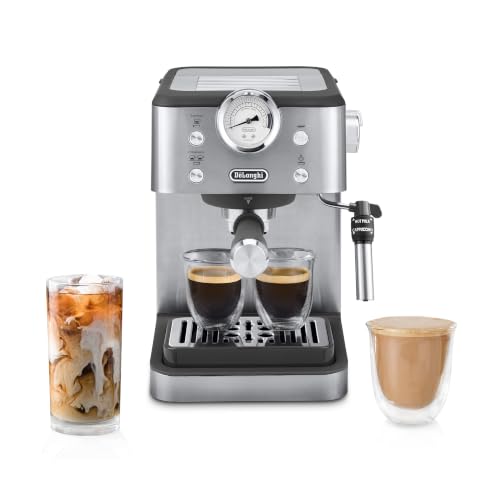
- EgCoffee Score8.4
EgCoffee Score is a ranking system developed by EgCoffee.com. EgCoffee score has no relationship or impact from any manufacturers or sales agent websites. Learn more
- BrandDe'Longhi

- EgCoffee Score8.4
EgCoffee Score is a ranking system developed by EgCoffee.com. EgCoffee score has no relationship or impact from any manufacturers or sales agent websites. Learn more
- BrandN/A
Last update on 2026-08-05 / Affiliate links / Images, Product Titles, and Product Highlights from Amazon Product Advertising API
Italy is the birthplace of espresso, and Italian brands remain synonymous with both the moka pot and semi automatic espresso machines built around genuine bar pressure extraction. This tradition emphasizes concentrated, intense flavor and hands on brewing involvement, reflecting the country's long standing espresso bar culture where quality and ritual matter as much as convenience.
Italian manufacturers have also historically led the way in commercial espresso equipment used by cafes worldwide, with home models often borrowing engineering and pump technology directly from that professional lineage. This connection between commercial and home equipment is part of why many Italian branded home machines feel more capable than their price point might otherwise suggest.
German coffee makers are widely known for precise engineering, durable construction, and reliable temperature control, reflecting the country's broader reputation for meticulous manufacturing standards. Brands from this tradition often emphasize consistent, repeatable performance and long service life over flashy features, appealing to buyers who prioritize dependability above all else.
This engineering philosophy extends to the internal components as well, with many German designed machines using higher grade heating elements and more robust pump mechanisms than comparably priced alternatives from other regions. The result is often a machine that performs identically on its thousandth brew cycle as it did on its first, a consistency that buyers focused purely on initial cup quality sometimes underappreciate.
Switzerland has become particularly associated with fully automatic bean to cup machines that grind, tamp, and brew espresso quality drinks with minimal manual involvement required from the user. This engineering focus reflects a broader Swiss tradition of precision automation, delivering consistent espresso quality without the skill development semi automatic machines typically demand.
These machines often include sophisticated internal sensors that adjust grind size, water flow, and extraction time automatically based on the specific beans loaded into the hopper, essentially automating decisions a skilled barista would otherwise make manually. This level of built in intelligence typically comes at a meaningful price premium, reflecting the genuine complexity of the internal engineering required to pull it off reliably.
The Netherlands has made significant contributions to drip coffee technology, particularly through machines emphasizing precise, SCA certified temperature control that rivals or exceeds many American made alternatives. This tradition brings European engineering standards specifically to the drip category, an area sometimes overlooked in discussions focused primarily on espresso.
Dutch manufacturers were also among the earliest to pursue formal SCA certification for drip machines, treating temperature accuracy as a core engineering requirement rather than an optional feature to advertise. This early emphasis on certified performance helped establish drip brewing as a genuine area of European engineering pride alongside the more commonly celebrated espresso tradition.
Across these different national traditions, European coffee makers frequently favor stainless steel, solid brass internal components, and glass rather than the plastic construction common on budget machines from other regions. This shared preference for premium materials contributes to both the higher typical price point and the longer service life these machines tend to deliver over years of regular daily use.
European coffee makers across these different national traditions often share an emphasis on precise temperature control, durable metal construction, and mechanisms built for genuine decades long service life rather than planned obsolescence. This engineering philosophy frequently commands a noticeable price premium compared to machines manufactured in other regions, though many buyers consider the long term durability and consistent performance genuinely worth that additional upfront cost over time.
If you genuinely value hands on espresso brewing and concentrated flavor, Italian machines and classic moka pots align very closely with that specific preference, while Swiss fully automatic systems suit buyers wanting genuine espresso quality with the absolute minimum amount of effort required. German and Dutch options tend to appeal most to buyers prioritizing genuine engineering precision and long term reliability across both the drip and espresso categories alike.
European coffee makers are widely sold through major US retailers and online marketplaces, so availability is generally not a concern despite their overseas origin, though pricing often runs higher than comparable machines manufactured elsewhere. Checking whether a specific model includes a US compatible warranty and readily available replacement parts domestically is worth confirming before purchasing, since some imported models rely on service networks better established in their country of origin.
Are European coffee makers genuinely better built than other options? Many European brands genuinely emphasize precise engineering and durable construction, though overall quality ultimately varies by the specific brand and model rather than by region alone.
What is the difference between Italian and Swiss coffee maker traditions? Italian tradition emphasizes hands on espresso brewing through moka pots and semi automatic machines, while Swiss tradition instead emphasizes fully automatic convenience with only minimal manual involvement required from the user at any point.
Do European coffee makers cost more than other brands? Generally yes, reflecting their strong emphasis on precision engineering and durable materials, though many buyers ultimately find the added long term reliability well worth the extra upfront cost.
European coffee makers offer genuinely distinct brewing traditions shaped by different national cultures, from Italian espresso intensity to Swiss automated convenience and German engineering precision. Matching the specific tradition to your own brewing preferences and budget ensures you get a machine that genuinely reflects both the craftsmanship and philosophy behind its particular origin.


Best Coffee Maker With Grinder: The Complete Buying Guide for 2026

Best Small Electric Coffee Makers in 2026: The Complete Buying Guide

Best Hot Chocolate for Keurig Coffee Makers in 2026: The Complete Buying Guide

Best German Made Coffee Makers in 2026: The Complete Buying Guide

Best Electric French Press Coffee Makers in 2026: The Complete Buying Guide