Best Percolator Coffee Makers in 2026
Percolators brew coffee by continuously cycling boiling water up through a tube and back down over the grounds, a method that predates modern drip machines by decades and still has a loyal following today. The result is a bold, strong cup that some drinkers love and others find too intense compared to drip brewed coffee.
This guide covers how percolators work, what to look for when buying one, and how to avoid the bitterness that gives percolated coffee its sometimes harsh reputation.
Compare Products

- EgCoffee Score7.6
EgCoffee Score is a ranking system developed by EgCoffee.com. EgCoffee score has no relationship or impact from any manufacturers or sales agent websites. Learn more
- BrandN/A

- EgCoffee Score9.0
EgCoffee Score is a ranking system developed by EgCoffee.com. EgCoffee score has no relationship or impact from any manufacturers or sales agent websites. Learn more
- BrandN/A
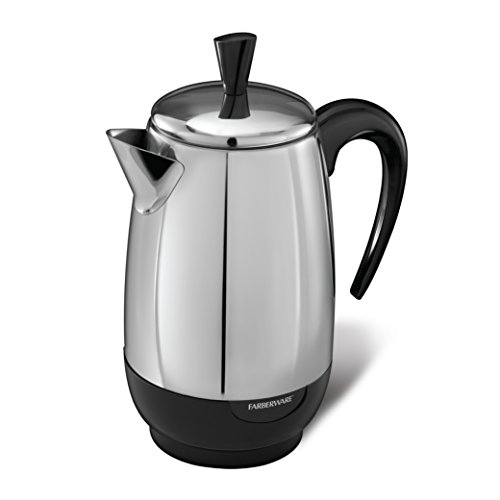
- EgCoffee Score8.4
EgCoffee Score is a ranking system developed by EgCoffee.com. EgCoffee score has no relationship or impact from any manufacturers or sales agent websites. Learn more
- BrandFarberware

- EgCoffee Score9.2
EgCoffee Score is a ranking system developed by EgCoffee.com. EgCoffee score has no relationship or impact from any manufacturers or sales agent websites. Learn more
- BrandN/A

- EgCoffee Score8.4
EgCoffee Score is a ranking system developed by EgCoffee.com. EgCoffee score has no relationship or impact from any manufacturers or sales agent websites. Learn more
- BrandWest Bend

- EgCoffee Score8.8
EgCoffee Score is a ranking system developed by EgCoffee.com. EgCoffee score has no relationship or impact from any manufacturers or sales agent websites. Learn more
- BrandN/A

- EgCoffee Score9.0
EgCoffee Score is a ranking system developed by EgCoffee.com. EgCoffee score has no relationship or impact from any manufacturers or sales agent websites. Learn more
- BrandN/A

- EgCoffee Score8.4
EgCoffee Score is a ranking system developed by EgCoffee.com. EgCoffee score has no relationship or impact from any manufacturers or sales agent websites. Learn more
- BrandN/A

- EgCoffee Score8.8
EgCoffee Score is a ranking system developed by EgCoffee.com. EgCoffee score has no relationship or impact from any manufacturers or sales agent websites. Learn more
- BrandN/A

- EgCoffee Score8.8
EgCoffee Score is a ranking system developed by EgCoffee.com. EgCoffee score has no relationship or impact from any manufacturers or sales agent websites. Learn more
- BrandN/A

- EgCoffee Score8.4
EgCoffee Score is a ranking system developed by EgCoffee.com. EgCoffee score has no relationship or impact from any manufacturers or sales agent websites. Learn more
- BrandN/A

- EgCoffee Score8.4
EgCoffee Score is a ranking system developed by EgCoffee.com. EgCoffee score has no relationship or impact from any manufacturers or sales agent websites. Learn more
- BrandN/A
Last update on 2026-08-04 / Affiliate links / Images, Product Titles, and Product Highlights from Amazon Product Advertising API
We compared build material, heating consistency, and long term durability across popular percolators, both stovetop and electric styles, using verified owner reviews to judge real world performance. Since percolators depend heavily on consistent heat control to avoid over extraction, we weighted temperature regulation heavily in electric models and material quality in stovetop versions.
Stovetop percolators require an external heat source and manual attention to control the perking cycle, giving you more direct control but demanding more hands on involvement than an automatic machine. Electric percolators regulate temperature automatically and typically include an automatic shutoff once brewing finishes, trading some of the traditional character for convenience.
Camping and outdoor enthusiasts often prefer stovetop models specifically because they do not depend on electricity, making them practical for campsites, cabins, or emergency preparedness.
The continuous cycling of boiling water through the grounds in a percolator extracts more oils and compounds than a single pass drip brew, producing a noticeably bolder, heavier bodied cup. This same process is also why percolated coffee can turn bitter if left brewing too long, since the extended contact time keeps pulling flavor compounds out well past the point of ideal extraction.
Stainless steel percolators are the most common and generally the most durable option, resisting rust and holding up well to repeated heating cycles. Aluminum percolators are lighter and often less expensive, but can react with acidic coffee over time, sometimes affecting flavor in ways that stainless steel does not. Glass percolators, while less common today, let you visually monitor the perking process but are more fragile than metal alternatives.
Timing is the single biggest factor in avoiding bitterness with a percolator. Most percolators produce a well balanced cup within seven to ten minutes of active perking, and letting the process continue much longer than that is the most common reason percolated coffee ends up tasting harsh. A coarser grind than you would use for drip brewing also helps prevent over extraction, since it exposes less surface area to the repeated hot water cycling.
Percolators are typically sized by cup count, ranging from small four cup stovetop models suited to one or two people up to large capacity electric percolators designed for gatherings or events. Camping percolators tend to run smaller and more compact, prioritizing portability over serving a crowd.
Disassemble the percolator fully after each use to clean the pump tube and basket, since trapped coffee oils can build up and affect the flavor of future brews if left unwashed. Stainless steel models generally hold up well to regular use, but avoid abrasive scrubbing pads that can scratch the interior surface and create spots where residue accumulates over time.
A coarse grind, similar to what works well for a French press, is generally recommended for percolators, since fine grounds can slip through the basket or clog the pump tube over repeated cycles. Many percolator specific coffee blends on the market are pre ground to this coarser texture, which can be a convenient starting point if you do not have a grinder with a coarse setting.
Stovetop percolators remain a popular choice for camping precisely because they work over an open flame or portable stove without needing electricity. Look for a model with a sturdy handle that stays cool to the touch and a secure lid, since these details matter more in an outdoor setting where the percolator may sit on an uneven camp stove rather than a stable kitchen surface.
Is percolated coffee stronger than drip coffee? Yes, typically. The repeated cycling of hot water through the grounds extracts more flavor compounds than a single pass drip brew, resulting in a bolder, more intense cup.
Can I use a percolator on a glass top stove? Check the manufacturer's guidance first, since some stovetop percolators are not recommended for glass top ranges due to how they distribute heat, which can create hot spots or scratch the surface.
How much coffee should I use per cup in a percolator? A common starting ratio is one tablespoon of coarse ground coffee per cup of water, adjusted up or down depending on how strong you prefer the final brew.
Why does my percolated coffee taste burnt? This usually means the brewing time ran too long or the heat was set too high, both of which push extraction well past the point of balanced flavor into bitterness.
Do percolators work on induction stoves? Only stovetop percolators made with an induction compatible base, typically stainless steel with a magnetic bottom, will work on induction ranges, so check the product specifications before assuming compatibility.
Drip machines generally produce a more consistent, milder cup with far less hands on involvement, while percolators demand more attention but reward that attention with a bolder flavor many longtime coffee drinkers associate with a more traditional cup. Neither method is objectively better, and the right choice largely comes down to whether you prefer convenience or the stronger, more rustic character percolated coffee tends to deliver.
A good percolator rewards attention to timing and grind size with a genuinely bold, satisfying cup that most drip machines cannot replicate. Choose stainless steel for durability, keep brewing time to around seven to ten minutes, and use a coarser grind than you would for drip coffee to avoid the bitterness percolators are sometimes known for.


Best Coffee Maker With Grinder: The Complete Buying Guide for 2026

Best Small Electric Coffee Makers in 2026: The Complete Buying Guide

Best Hot Chocolate for Keurig Coffee Makers in 2026: The Complete Buying Guide

Best German Made Coffee Makers in 2026: The Complete Buying Guide

Best Electric French Press Coffee Makers in 2026: The Complete Buying Guide