Best Bottled Water for Espresso Machines: Budget, Midrange, and Premium Picks
Espresso is more than 90% water, so the water you put in your machine shapes both the flavor of every shot and the life of the machine itself. Hard water leaves scale that clogs boilers and valves, while very soft or distilled water can taste flat and may even damage some machines over time.
This guide sorts the best bottled water for espresso machines by budget. We share one pick at each price level, explain what you get in each tier, which water features are worth paying for and the long term costs to consider. The comparison table above lists current options and prices.
Compare Products

- EgCoffee Score8.8
EgCoffee Score is a ranking system developed by EgCoffee.com. EgCoffee score has no relationship or impact from any manufacturers or sales agent websites. Learn more
- BrandN/A

- EgCoffee Score9.2
EgCoffee Score is a ranking system developed by EgCoffee.com. EgCoffee score has no relationship or impact from any manufacturers or sales agent websites. Learn more
- BrandN/A

- EgCoffee Score9.6
EgCoffee Score is a ranking system developed by EgCoffee.com. EgCoffee score has no relationship or impact from any manufacturers or sales agent websites. Learn more
- BrandThird Wave Water

- EgCoffee Score8.8
EgCoffee Score is a ranking system developed by EgCoffee.com. EgCoffee score has no relationship or impact from any manufacturers or sales agent websites. Learn more
- BrandN/A

- EgCoffee Score8.8
EgCoffee Score is a ranking system developed by EgCoffee.com. EgCoffee score has no relationship or impact from any manufacturers or sales agent websites. Learn more
- BrandN/A

- EgCoffee Score8.4
EgCoffee Score is a ranking system developed by EgCoffee.com. EgCoffee score has no relationship or impact from any manufacturers or sales agent websites. Learn more
- BrandN/A

- EgCoffee Score8.4
EgCoffee Score is a ranking system developed by EgCoffee.com. EgCoffee score has no relationship or impact from any manufacturers or sales agent websites. Learn more
- BrandN/A

- EgCoffee Score8.2
EgCoffee Score is a ranking system developed by EgCoffee.com. EgCoffee score has no relationship or impact from any manufacturers or sales agent websites. Learn more
- BrandClear Alaskan Glacial

- EgCoffee Score8.6
EgCoffee Score is a ranking system developed by EgCoffee.com. EgCoffee score has no relationship or impact from any manufacturers or sales agent websites. Learn more
- BrandN/A

- EgCoffee Score9.2
EgCoffee Score is a ranking system developed by EgCoffee.com. EgCoffee score has no relationship or impact from any manufacturers or sales agent websites. Learn more
- BrandN/A
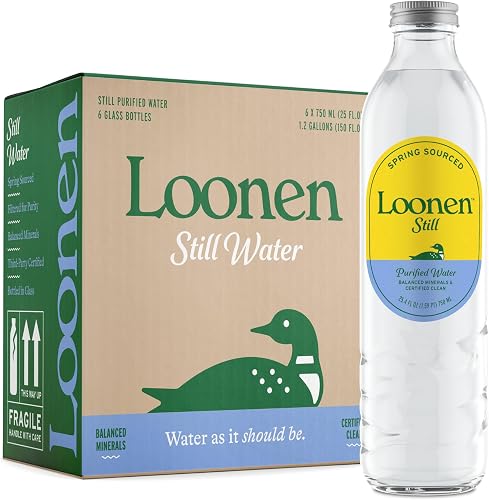
Loonen Still Spring Sourced Water, Glass Bottled with Minerals, Magnesium,
- EgCoffee Score9.0
EgCoffee Score is a ranking system developed by EgCoffee.com. EgCoffee score has no relationship or impact from any manufacturers or sales agent websites. Learn more
- BrandN/A

- EgCoffee Score9.2
EgCoffee Score is a ranking system developed by EgCoffee.com. EgCoffee score has no relationship or impact from any manufacturers or sales agent websites. Learn more
- BrandN/A

- EgCoffee Score8.2
EgCoffee Score is a ranking system developed by EgCoffee.com. EgCoffee score has no relationship or impact from any manufacturers or sales agent websites. Learn more
- BrandAosBet
Last update on 2026-11-28 / Affiliate links / Images, Product Titles, and Product Highlights from Amazon Product Advertising API
Crystal Geyser Alpine Spring Water in gallon jugs is our best budget pick, Acqua Panna Natural Spring Water is the best midrange pick and Third Wave Water Espresso Machine Profile is the best premium pick. All three appear in the comparison table above.
Best Budget Pick
Crystal Geyser Natural Alpine Spring Water in 1 gallon jugs is the best budget water for espresso machines, usually around $28 for 6 gallons.
Its first strength is cost per gallon, the lowest of our picks, in jugs that are easy to pour into a water tank. Its second strength is a relatively soft, low mineral profile compared with many tap waters, bottled at the source, which helps reduce scale.
The limitation is that mineral content varies by spring source, so check the label for the source and mineral values. Skip it if you want a guaranteed recipe.
Best for: daily espresso drinkers who want an affordable alternative to hard tap water.
Best Midrange Pick
Acqua Panna Natural Spring Water is the best midrange choice for flavor, typically around $33 for 24 bottles of 16.9 ounces.
Its first strength is a soft, smooth taste from a Tuscan spring that many coffee lovers use for brewing because it lets coffee flavors come through clearly. Its second strength is consistency, since a single spring source gives a predictable mineral profile from bottle to bottle.
The limitation is cost and plastic waste from small bottles. Skip it if you brew many shots a day.
Best for: espresso enthusiasts who want great tasting water without mixing minerals.
Best Premium Pick
Third Wave Water Espresso Machine Profile is the best premium option for precise, machine safe water, usually around $29 for a pack of sticks that makes 60 gallons.
Its first strength is control: you add a mineral stick to distilled water to create water designed specifically for espresso machines, balancing flavor with scale protection. Its second strength is long term value, since one pack treats far more water than a case of bottled water, with less plastic.
The limitation is that you need to buy distilled water and mix it yourself. Skip it if you want ready to pour bottles.
Best for: home baristas with premium machines who want repeatable results and maximum protection from scale.
More money buys more consistent mineral content and better flavor control. Here is what to expect in each tier.
Budget Tier: What to Expect
Budget options cost around 50 cents to $1 per gallon and include large jugs of spring water. Expect softer water than most tap water, with mineral content that varies by source. Avoid distilled water on its own, which lacks minerals for flavor and can be aggressive toward metal parts.
Midrange Tier: The Sweet Spot for Most Buyers
Midrange options cost around $1.50 to $3 per gallon and include premium spring waters from a single source with a published mineral profile. They give better, more consistent flavor and are easy to use.
Premium Tier: When Spending More Pays Off
Premium options include mineral packets designed for espresso and high end bottled waters. Spending more pays off when you own an expensive dual boiler or prosumer machine and want to protect it while tuning flavor.
A balanced mineral profile is worth paying for; luxury branding and alkaline or added electrolyte claims are not.
Build Materials (Plastic vs Stainless vs Glass)
Glass bottles avoid plastic taste but cost more and are heavy. Large plastic jugs are economical. Store water away from heat and sunlight, whatever the container.
Footprint and Countertop Fit
Gallon jugs are easy to store and pour. If counter space is tight, a single jug or a pitcher of mixed mineral water beside the machine is easier than cases of small bottles.
Brewing Method and Coffee Style
Espresso machines need water that protects boilers and valves from scale. Drip coffee makers are more forgiving. If you also brew pour over, slightly softer water highlights delicate flavors.
Pod Cost and Long Term Value
Bottled water adds a few cents per shot. Mineral packets cost less per gallon over time, and a quality water filter can be cheapest of all for daily brewing.
Features That Matter for Espresso Machines
The Specialty Coffee Association recommends brewing water with total dissolved solids around 150 mg/L, calcium hardness around 68 mg/L, alkalinity around 40 mg/L, a pH near 7 and no chlorine. Espresso machines benefit from water at the low end of hardness to limit scale. Check bottle labels for total dissolved solids and hardness when available.
Your water may be the problem if your espresso or machine shows any of these signs:
- White crust or flakes in the water tank, drip tray or steam wand tip, which point to hard water and scale.
- Slower flow or lower pressure over time, a sign that scale is narrowing the pipes and valves.
- Flat, dull shots even with fresh beans, which can mean water that is too soft or distilled.
- Chalky or bitter taste, often from very hard water.
- Chlorine or swimming pool smell, common with untreated tap water.
Switching to balanced bottled water, a mineral packet or a good filter usually fixes these problems within a few days, though existing scale needs a full descale.
Bottled spring water for one or two drinks a day can cost $50 to $150 a year. Mineral packets plus distilled water often cost less. The bigger saving is maintenance: water that limits scale means fewer descaling sessions and less risk of costly boiler or pump repairs, which can exceed the price of years of good water.
What features matter most in bottled waters for espresso machines?
Moderate mineral content matters most: enough calcium and magnesium for flavor, but low enough hardness to limit scale. Look for total dissolved solids around 75 to 250 mg/L, ideally near 150, and a pH near neutral.
How often should I descale my espresso machine when using bottled water?
Descale every two to three months with soft bottled water, compared with every month or two with hard tap water. Follow your machine's descale alerts.
Can I use distilled water in an espresso machine?
Not on its own. Distilled water lacks minerals, which makes espresso taste flat and can confuse machines that use water sensors. Add a mineral packet designed for espresso or blend it with spring water.
Is spring water better than tap water for espresso?
Often, yes, if your tap water is hard or tastes of chlorine. Soft spring water reduces scale and improves flavor. If your tap water is already soft, a simple carbon filter may be enough.
How long does bottled water last once opened?
Opened bottled water is best used within a few days to a week. Keep it sealed and away from heat and sunlight.
Does water affect grind size?
Indirectly, yes. Water chemistry changes extraction, so after switching water you may need to adjust grind size slightly to keep shot times around 25 to 30 seconds.
Balanced, moderately soft water protects your machine and improves flavor. Crystal Geyser jugs are the best budget pick, Acqua Panna is the best midrange choice and Third Wave Water is the premium option. For more, see the best water to use for espresso machines and the best espresso coffee machines.
The best bottled water for espresso machines makes better shots and a longer lasting machine. Check the comparison table above for current prices.


The Best Milk Frothers for Hot Chocolate: Buying Guide & Top Picks

Best Coffee Filters for Drip Coffee Maker in 2026: 3 Top Picks + Buying Guide

Best Reusable K Cups of 2026: Our 3 Top Picks + Buying Guide

Best Coffee Filters for Chemex in 2026: 3 Top Picks + Buying Guide

Best Nespresso Milk Frothers: Which Model Brews the Best Cup? (2026)
Best Zulay Milk Frothers: Which Model Brews the Best Cup? (2026)
Best Espresso Accessories of 2026: Our 3 Top Picks + Buying Guide

Best Milk Frothers for Nespresso (2026): 3 Picks Chosen for Flavor and Consistency