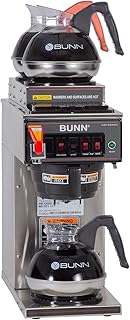
Best Eco Friendly Coffee Makers 2026
Eco friendly coffee makers help reduce daily waste and energy use without asking you to give up your morning brewing routine, offering a genuinely practical way to make coffee more sustainable at home. From reusable filters that eliminate paper waste to energy efficient designs that cut power consumption, today's market offers real options for environmentally conscious buyers.
This guide covers exactly what makes a coffee maker genuinely eco friendly, the key features worth prioritizing, and how to evaluate sustainability claims that manufacturers sometimes exaggerate in marketing materials.
Compare Products

- EgCoffee Score8.6
EgCoffee Score is a ranking system developed by EgCoffee.com. EgCoffee score has no relationship or impact from any manufacturers or sales agent websites. Learn more
- BrandN/A

- EgCoffee Score7.6
EgCoffee Score is a ranking system developed by EgCoffee.com. EgCoffee score has no relationship or impact from any manufacturers or sales agent websites. Learn more
- BrandN/A

- EgCoffee Score8.4
EgCoffee Score is a ranking system developed by EgCoffee.com. EgCoffee score has no relationship or impact from any manufacturers or sales agent websites. Learn more
- BrandN/A

- EgCoffee Score6.0
EgCoffee Score is a ranking system developed by EgCoffee.com. EgCoffee score has no relationship or impact from any manufacturers or sales agent websites. Learn more
- BrandN/A

- EgCoffee Score7.2
EgCoffee Score is a ranking system developed by EgCoffee.com. EgCoffee score has no relationship or impact from any manufacturers or sales agent websites. Learn more
- BrandN/A

- EgCoffee Score8.0
EgCoffee Score is a ranking system developed by EgCoffee.com. EgCoffee score has no relationship or impact from any manufacturers or sales agent websites. Learn more
- BrandOXO

- EgCoffee Score7.8
EgCoffee Score is a ranking system developed by EgCoffee.com. EgCoffee score has no relationship or impact from any manufacturers or sales agent websites. Learn more
- BrandN/A

- EgCoffee Score8.6
EgCoffee Score is a ranking system developed by EgCoffee.com. EgCoffee score has no relationship or impact from any manufacturers or sales agent websites. Learn more
- BrandZojirushi

- EgCoffee Score7.6
EgCoffee Score is a ranking system developed by EgCoffee.com. EgCoffee score has no relationship or impact from any manufacturers or sales agent websites. Learn more
- BrandN/A

- EgCoffee Score8.6
EgCoffee Score is a ranking system developed by EgCoffee.com. EgCoffee score has no relationship or impact from any manufacturers or sales agent websites. Learn more
- BrandN/A

- EgCoffee Score-
EgCoffee Score is a ranking system developed by EgCoffee.com. EgCoffee score has no relationship or impact from any manufacturers or sales agent websites. Learn more
- BrandN/A

- EgCoffee Score7.2
EgCoffee Score is a ranking system developed by EgCoffee.com. EgCoffee score has no relationship or impact from any manufacturers or sales agent websites. Learn more
- BrandN/A
Last update on 2026-08-06 / Affiliate links / Images, Product Titles, and Product Highlights from Amazon Product Advertising API
A genuinely eco friendly coffee maker reduces waste through reusable filters, uses recyclable or reduced plastic construction, and consumes less energy during both brewing and idle standby periods. Some models also use recycled materials in their housing or packaging, further lowering the overall environmental footprint of manufacturing.
It is worth noting that no coffee maker is perfectly sustainable, so the more realistic goal is comparing relative environmental impact between models rather than searching for one flawless option. Small, genuine improvements across many households collectively add up to meaningful reductions in total waste over time.
Stainless steel or nylon reusable filters eliminate the need for disposable paper filters entirely, genuinely cutting both ongoing cost and landfill waste over the life of the machine. Many drip coffee makers now include a built in reusable filter basket as a standard feature rather than an optional accessory.
Paper filters do have one genuine environmental advantage, since unbleached versions are fully compostable and can absorb some oils that reusable metal filters allow through, resulting in a different flavor profile some drinkers actually prefer. Weighing this tradeoff between waste reduction and personal taste preference is worth doing before committing to one filter type exclusively.
coffee makers with genuine auto shutoff features prevent wasted electricity from a machine left running unattended for hours, which meaningfully reduces both energy waste and fire risk simultaneously. Look specifically for models that shut off within thirty minutes to an hour after the brewing cycle completes.
Some newer models also feature genuinely low standby power draw, meaning the machine consumes minimal electricity while plugged in but not actively brewing, which matters more than it might initially seem given how many hours a typical coffee maker spends idle each day.
Some brands now genuinely use recycled plastic, sustainably sourced wood accents, or reduced packaging in their coffee maker construction, reflecting a broader manufacturing commitment beyond just the brewing function itself. Checking a brand's published sustainability reports, when available, can reveal genuine commitments versus mere marketing language.
Durability itself is also a genuine sustainability factor, since a well built coffee maker that lasts a decade produces meaningfully less waste over its lifetime than several cheaper machines that each fail within a year or two of regular daily use.
Beyond the machine itself, many eco conscious buyers also look for compostable coffee pods, biodegradable filter papers, and packaging that avoids single use plastic wherever genuinely possible throughout the entire brewing process. Some single serve machines now accept refillable pod adapters specifically designed to eliminate disposable pod waste entirely.
Checking whether a specific machine is compatible with these refillable or compostable accessory options before purchasing helps ensure your sustainability efforts extend meaningfully beyond just the initial machine purchase decision itself.
Some coffee makers use noticeably more water per cup than genuinely necessary for proper extraction, effectively wasting both water and the energy required to heat it during each brewing cycle. Models with precise, adjustable water measurement help avoid this common form of unnecessary waste.
Rapid heating elements that reach proper brewing temperature quickly also reduce overall energy consumption per cup compared to slower heating designs that keep drawing power for an extended warm up period before brewing can even begin.
Look for genuine third party certifications like Energy Star, which independently verifies a machine's real energy efficiency rather than simply trusting a manufacturer's own marketing claims about consumption. These certifications typically require actual testing under standardized conditions before a label can be granted.
Some brands also pursue certifications related to responsibly sourced materials or reduced carbon manufacturing processes, offering another useful, independently verified signal beyond vague sustainability language printed on packaging. Comparing certified models against uncertified competitors genuinely helps separate real commitment from marketing spin.
Beyond the environmental benefit, eliminating disposable paper filters and single use pods genuinely saves meaningful money over several years of daily coffee brewing, since these recurring purchases add up considerably faster than most buyers initially expect. A reusable filter typically pays for itself within just a few months of regular use.
Energy efficient models with genuine auto shutoff features also reduce your electricity bill incrementally over time, and while any single day's savings seem small, the cumulative effect across years of ownership becomes genuinely noticeable on household utility costs.
Are reusable filters genuinely better for the environment than paper filters? Generally yes, since reusable filters eliminate ongoing disposable waste entirely, though unbleached paper filters remain a reasonably compostable alternative if you prefer their flavor profile.
Do eco friendly coffee makers cost more upfront? Sometimes modestly more, though the long term savings from eliminating paper filters and pods, combined with genuine energy efficiency, often offsets this difference over the life of the machine.
Can I make my existing coffee maker more eco friendly? Often yes, by switching to a reusable filter, unplugging the machine when not brewing, and choosing compostable accessories where genuinely available for your specific model.
Choosing a genuinely eco friendly coffee maker means looking beyond marketing claims to evaluate real factors like reusable filtration, auto shutoff efficiency, and durable construction that reduces long term waste. Prioritizing these practical features helps you build a daily coffee routine that is both genuinely satisfying and meaningfully lighter on the environment.


Best Coffee Maker With Grinder: The Complete Buying Guide for 2026

Best Small Electric Coffee Makers in 2026: The Complete Buying Guide

Best Hot Chocolate for Keurig Coffee Makers in 2026: The Complete Buying Guide

Best German Made Coffee Makers in 2026: The Complete Buying Guide

Best Electric French Press Coffee Makers in 2026: The Complete Buying Guide