Best Electric Coffee Makers in 2026
Electric coffee makers dominate the modern market for good reason, automating temperature control, timing, and consistency in ways manual brewing methods simply cannot match without years of practiced technique. Whether you want a full pot ready before you finish getting dressed or a single cup at the push of a button, an electric machine removes most of the guesswork that comes with stovetop or pour over brewing.
This guide covers the main categories of electric coffee makers, what separates a well engineered machine from a disappointing one, and how electric brewing compares to manual methods.
Compare Products

- EgCoffee Score-
EgCoffee Score is a ranking system developed by EgCoffee.com. EgCoffee score has no relationship or impact from any manufacturers or sales agent websites. Learn more
- BrandN/A

- EgCoffee Score9.0
EgCoffee Score is a ranking system developed by EgCoffee.com. EgCoffee score has no relationship or impact from any manufacturers or sales agent websites. Learn more
- BrandN/A

- EgCoffee Score9.2
EgCoffee Score is a ranking system developed by EgCoffee.com. EgCoffee score has no relationship or impact from any manufacturers or sales agent websites. Learn more
- BrandN/A

- EgCoffee Score9.2
EgCoffee Score is a ranking system developed by EgCoffee.com. EgCoffee score has no relationship or impact from any manufacturers or sales agent websites. Learn more
- BrandKeurig

- EgCoffee Score8.2
EgCoffee Score is a ranking system developed by EgCoffee.com. EgCoffee score has no relationship or impact from any manufacturers or sales agent websites. Learn more
- BrandKeurig

- EgCoffee Score9.2
EgCoffee Score is a ranking system developed by EgCoffee.com. EgCoffee score has no relationship or impact from any manufacturers or sales agent websites. Learn more
- BrandN/A

- EgCoffee Score9.2
EgCoffee Score is a ranking system developed by EgCoffee.com. EgCoffee score has no relationship or impact from any manufacturers or sales agent websites. Learn more
- BrandKeurig

- EgCoffee Score8.0
EgCoffee Score is a ranking system developed by EgCoffee.com. EgCoffee score has no relationship or impact from any manufacturers or sales agent websites. Learn more
- BrandCuisinart

- EgCoffee Score7.6
EgCoffee Score is a ranking system developed by EgCoffee.com. EgCoffee score has no relationship or impact from any manufacturers or sales agent websites. Learn more
- BrandHamilton Beach
- EgCoffee Score8.8
EgCoffee Score is a ranking system developed by EgCoffee.com. EgCoffee score has no relationship or impact from any manufacturers or sales agent websites. Learn more
- BrandCuisinart
- EgCoffee Score8.8
EgCoffee Score is a ranking system developed by EgCoffee.com. EgCoffee score has no relationship or impact from any manufacturers or sales agent websites. Learn more
- BrandNinja
- EgCoffee Score9.0
EgCoffee Score is a ranking system developed by EgCoffee.com. EgCoffee score has no relationship or impact from any manufacturers or sales agent websites. Learn more
- BrandHamilton Beach
Last update on 2026-08-04 / Affiliate links / Images, Product Titles, and Product Highlights from Amazon Product Advertising API
Electric coffee makers automate the two variables that matter most for consistent extraction: water temperature and timing. Manual methods like pour over or French press require the brewer to manage both by hand, which produces excellent results with practice but far more variability for casual daily brewing. Electric machines remove that variability, which is the main reason they became the default choice in most American households.
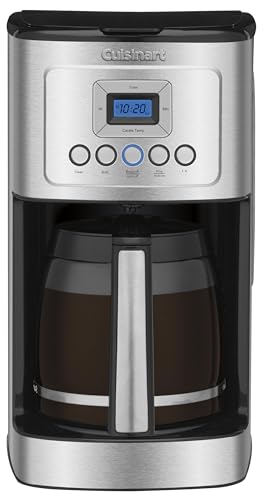
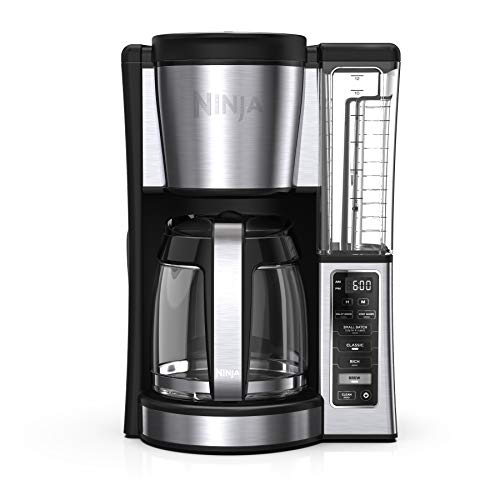
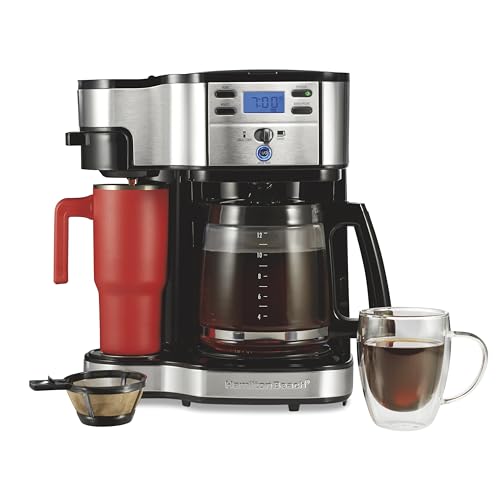
Drip coffee makers remain the most widely owned electric brewing style, using a heating element to bring water to temperature before dispersing it evenly over grounds in a filter basket. Look for a showerhead style water dispenser for even saturation, and check that the machine actually hits the Specialty Coffee Association's recommended 195 to 205 degree Fahrenheit brewing range, since many budget machines fall short of this target.
Single serve machines use pods or capsules to brew one cup in under a minute, relying on electric pumps and heating elements to force hot water through the pod quickly. These machines suit people who live alone or households where everyone prefers a different roast, though ongoing pod costs add up more than the machine's upfront price suggests over a year of daily use.
Electric espresso machines range from fully automatic models that handle grinding, brewing, and frothing at the push of a button to semi automatic machines that give you manual control over extraction while still automating temperature and pressure. This category shows the widest quality and price range of any electric coffee maker type, so matching the specific model to your actual skill level and patience matters more here than with drip machines.
Beyond basic brewing, a few features consistently separate reliable electric coffee makers from disappointing ones. Programmable start timers let you wake up to a pot already brewed, adjustable brew strength accommodates different taste preferences within a household, and a properly insulated thermal carafe preserves flavor better than a glass carafe sitting on a warming plate for extended periods.
Manual methods like pour over or French press generally produce excellent coffee once you develop consistent technique, and many enthusiasts prefer the hands on ritual over automation. Electric machines trade some of that control for consistency and convenience, removing the risk of a poorly timed manual brew ruining an otherwise good batch of coffee. Neither approach is objectively better, and the right choice comes down to whether you value the process itself or simply want a reliably good cup with minimal effort.
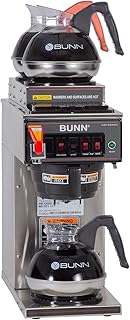
Electric coffee makers generally use relatively little electricity per brew cycle compared to other kitchen appliances, though models that keep water hot continuously, like BUNN's reserve tank machines, do draw a small ongoing amount of power between brews. This is a minor consideration for most households, but worth noting if you are comparing total operating cost across different machine types.
Regardless of category, electric coffee makers all benefit from regular descaling to prevent mineral buildup from affecting both heating element efficiency and brew temperature over time. Cleaning removable components like filter baskets, drip trays, and portafilters after each use also extends how long a machine performs at its original quality, and staying consistent with this routine matters more for long term performance than any single feature you pay extra for upfront.
A household that mainly drinks a full pot in the morning is well served by an electric drip machine, while someone living alone or sharing a kitchen with people who prefer different roasts benefits more from a single serve system. Buyers who want café style espresso drinks at home should weigh how much manual technique they actually want to learn before choosing between a fully automatic and semi automatic electric espresso machine.
A growing number of electric coffee makers now include app connectivity, letting you schedule brews, adjust strength remotely, or receive maintenance reminders directly on your phone. These smart features add convenience but also add potential points of failure and typically raise the price, so consider whether you will actually use the connected features regularly before paying extra for them over a comparable non connected model.
Are electric coffee makers better than manual brewing methods? Neither is objectively better. Electric machines offer more consistency and convenience, while manual methods reward practiced technique with more hands on control over the final cup.
Do electric coffee makers use a lot of electricity? Generally no, most electric coffee makers use relatively little power per brew cycle compared to other common kitchen appliances.
Which type of electric coffee maker is easiest for beginners? Drip machines and fully automatic single serve or espresso machines require the least technique, making them the most approachable starting point for new coffee drinkers.
Electric coffee makers remain the most practical choice for most households precisely because they automate the variables that make manual brewing inconsistent for casual daily use. Choose the specific category, drip, single serve, or espresso, that matches your actual routine, and prioritize verified brew temperature performance over flashy extra features when comparing models, since that single spec affects your coffee more than nearly anything else on the box.


Best Coffee Maker With Grinder: The Complete Buying Guide for 2026

Best Small Electric Coffee Makers in 2026: The Complete Buying Guide

Best Hot Chocolate for Keurig Coffee Makers in 2026: The Complete Buying Guide

Best German Made Coffee Makers in 2026: The Complete Buying Guide

Best Electric French Press Coffee Makers in 2026: The Complete Buying Guide