Best Espresso Coffee Makers in 2026
Espresso is the foundation of nearly every café drink, from a straight shot to a latte or cappuccino, and brewing it well at home requires a different kind of machine than a standard drip pot. Pressure, temperature stability, and grind consistency all matter far more here than with any other brewing method.
This guide covers what actually separates a good home espresso machine from a frustrating one, so you know what to prioritize before spending money on equipment.
Compare Products

- EgCoffee Score10.0
EgCoffee Score is a ranking system developed by EgCoffee.com. EgCoffee score has no relationship or impact from any manufacturers or sales agent websites. Learn more
- BrandN/A

- EgCoffee Score8.8
EgCoffee Score is a ranking system developed by EgCoffee.com. EgCoffee score has no relationship or impact from any manufacturers or sales agent websites. Learn more
- BrandN/A

- EgCoffee Score8.4
EgCoffee Score is a ranking system developed by EgCoffee.com. EgCoffee score has no relationship or impact from any manufacturers or sales agent websites. Learn more
- BrandBreville
- EgCoffee Score8.8
EgCoffee Score is a ranking system developed by EgCoffee.com. EgCoffee score has no relationship or impact from any manufacturers or sales agent websites. Learn more
- BrandBreville

- EgCoffee Score8.6
EgCoffee Score is a ranking system developed by EgCoffee.com. EgCoffee score has no relationship or impact from any manufacturers or sales agent websites. Learn more
- BrandBreville

- EgCoffee Score8.4
EgCoffee Score is a ranking system developed by EgCoffee.com. EgCoffee score has no relationship or impact from any manufacturers or sales agent websites. Learn more
- BrandN/A
- EgCoffee Score8.4
EgCoffee Score is a ranking system developed by EgCoffee.com. EgCoffee score has no relationship or impact from any manufacturers or sales agent websites. Learn more
- BrandPhilips Kitchen Appliances

- EgCoffee Score9.0
EgCoffee Score is a ranking system developed by EgCoffee.com. EgCoffee score has no relationship or impact from any manufacturers or sales agent websites. Learn more
- BrandN/A

- EgCoffee Score9.0
EgCoffee Score is a ranking system developed by EgCoffee.com. EgCoffee score has no relationship or impact from any manufacturers or sales agent websites. Learn more
- BrandBreville

- EgCoffee Score9.0
EgCoffee Score is a ranking system developed by EgCoffee.com. EgCoffee score has no relationship or impact from any manufacturers or sales agent websites. Learn more
- BrandBreville

- EgCoffee Score8.6
EgCoffee Score is a ranking system developed by EgCoffee.com. EgCoffee score has no relationship or impact from any manufacturers or sales agent websites. Learn more
- BrandN/A

- EgCoffee Score8.6
EgCoffee Score is a ranking system developed by EgCoffee.com. EgCoffee score has no relationship or impact from any manufacturers or sales agent websites. Learn more
- BrandNinja
Last update on 2026-08-04 / Affiliate links / Images, Product Titles, and Product Highlights from Amazon Product Advertising API
We compared pressure consistency, steam wand performance, and long term reliability across popular home espresso machines, relying heavily on verified owner reviews rather than manufacturer marketing claims. Machines with frequent complaints about pump failure or inconsistent shots within the first year were ruled out, since espresso equipment represents a bigger investment than most other coffee makers.
We also considered the learning curve of each machine, since some models require far more technique to use well than others.
Semi automatic machines give you manual control over grind, dose, and extraction time, rewarding practice with genuinely better shots but requiring real technique to get there. Super automatic machines handle grinding, tamping, and extraction at the push of a button, trading some control for consistency and speed, which makes them a better fit for buyers who want espresso without learning barista skills.
Manual lever machines sit at the far end of the control spectrum, requiring the most skill but offering the most direct feel for pressure and extraction, and are generally better suited to enthusiasts than beginners.
Espresso extraction depends on roughly nine bars of pressure pushing hot water through finely packed grounds. Machines that cannot maintain steady pressure throughout the shot tend to produce inconsistent results, sometimes under extracted and sour, other times over extracted and bitter, even when using the same beans and grind setting.
Temperature stability matters just as much. Machines with a PID temperature controller hold water temperature within a much tighter range than basic thermostats, which translates directly into more consistent shots from one brew to the next.
Some espresso machines include a built in grinder, which saves counter space and simplifies the workflow, while standalone grinders paired with a separate espresso machine typically offer more precise grind adjustment. Since espresso is far more sensitive to grind size than drip brewing, a quality grinder, whether built in or separate, matters as much as the espresso machine itself.
If lattes and cappuccinos are part of your routine, pay close attention to steam wand power and control. Weaker steam wands struggle to produce the fine, silky microfoam needed for latte art and a good texture, while more powerful wands with adjustable steam pressure give you more control over foam density and temperature.
Espresso machines need more regular maintenance than drip coffee makers, including backflushing the group head, descaling to prevent mineral buildup, and cleaning the steam wand after every use to prevent dried milk from clogging the tip. Skipping these steps is the most common reason home espresso machines develop performance problems well before their expected lifespan.
Portafilter baskets should also be rinsed and wiped after every shot, since leftover coffee oils can quickly turn rancid and add a stale, bitter taste to future extractions. A brush kept near the machine for quick cleanups makes this habit far easier to maintain daily.
Not every bag of coffee is labeled or roasted with espresso in mind, though in practice most medium to dark roasts work reasonably well. Beans specifically roasted for espresso are generally developed to balance sweetness and bitterness under the higher pressure and shorter contact time of espresso extraction, compared to beans optimized for slower drip brewing.
Freshness matters more for espresso than almost any other brewing method, since stale beans produce noticeably less crema and a flatter tasting shot. Buying whole beans in smaller quantities and grinding right before brewing makes a bigger difference here than with drip coffee.
Espresso machines, especially models with an integrated grinder or a larger boiler, tend to take up significantly more counter space than a basic drip machine. Measure your available space before buying, and account for clearance above the machine as well, since many models need extra headroom to fill the water tank or access the portafilter comfortably.
Is a semi automatic or super automatic machine better for beginners? Super automatic machines are generally easier to start with since they handle most of the process, though many enthusiasts eventually move to semi automatic machines for more control once they build confidence with the basics.
How often should I descale my espresso machine? Most manufacturers recommend descaling every one to three months depending on water hardness and how often the machine is used, with more frequent descaling needed in areas with harder tap water.
Do I need a separate grinder if my machine has one built in? Not necessarily, though serious enthusiasts often prefer a separate high quality grinder for finer control over grind size than most built in grinders allow.
Why does my espresso taste sour or watery? This usually points to under extraction, often caused by a grind that is too coarse, insufficient tamping pressure, or water temperature that is too low. Adjusting grind size finer is typically the first fix worth trying.
Entry level semi automatic machines can produce genuinely good espresso once you learn the technique, so a higher price tag is not strictly required to get a decent shot at home. Where higher end machines tend to earn their price is in temperature stability, build quality, and steam power, which matter more as you brew more often and start noticing small inconsistencies between shots.
A good home espresso machine comes down to pressure and temperature stability, paired with a grinder capable of a fine, consistent grind. Decide early whether you want to learn manual technique or prefer a machine that automates the process, since that choice narrows the field significantly before you even start comparing individual models.


Best Bean to Cup Coffee Machine: A Complete Buying Guide

Best Bean to Cup Coffee Makers in 2026

Cheap vs. Quality: The Best Espresso Machines You Can Get for Under $100
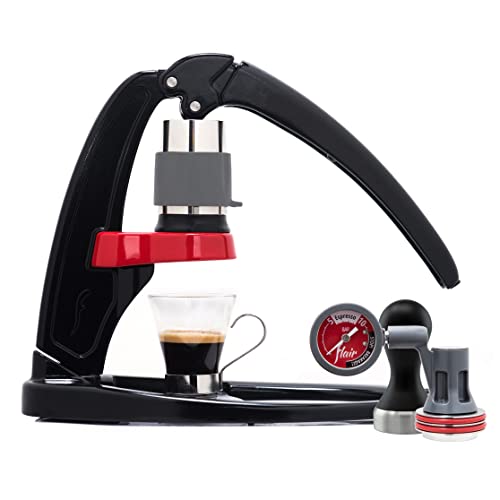
Best Manual Espresso Machines: Reviews & Buyer’s Guide

Best Espresso Machines for Small Kitchens: Compact & Powerful Picks

Best Automatic Espresso Machine Buying Guide - Top Picks & Reviews