Best Coffee Makers: The Complete 2026 Buying Guide
Choosing the right coffee maker can feel overwhelming with so many brewing styles, price points, and features on the market today. Whether you want a quick cup before work or a rich pot to share with guests, the best coffee maker for you depends on how you actually drink coffee, not just which model has the most features.
In this guide, we break down the main types of coffee makers, the features that actually matter, and how to avoid the most common buying mistakes, so you can pick a machine that fits your kitchen and your morning routine for years to come.
Compare Products

- EgCoffee Score8.4
EgCoffee Score is a ranking system developed by EgCoffee.com. EgCoffee score has no relationship or impact from any manufacturers or sales agent websites. Learn more
- BrandBreville

- EgCoffee Score8.8
EgCoffee Score is a ranking system developed by EgCoffee.com. EgCoffee score has no relationship or impact from any manufacturers or sales agent websites. Learn more
- BrandBreville

- EgCoffee Score9.0
EgCoffee Score is a ranking system developed by EgCoffee.com. EgCoffee score has no relationship or impact from any manufacturers or sales agent websites. Learn more
- BrandNinja

- EgCoffee Score9.0
EgCoffee Score is a ranking system developed by EgCoffee.com. EgCoffee score has no relationship or impact from any manufacturers or sales agent websites. Learn more
- BrandN/A

- EgCoffee Score7.8
EgCoffee Score is a ranking system developed by EgCoffee.com. EgCoffee score has no relationship or impact from any manufacturers or sales agent websites. Learn more
- BrandN/A

- EgCoffee Score8.6
EgCoffee Score is a ranking system developed by EgCoffee.com. EgCoffee score has no relationship or impact from any manufacturers or sales agent websites. Learn more
- BrandKeurig

- EgCoffee Score7.2
EgCoffee Score is a ranking system developed by EgCoffee.com. EgCoffee score has no relationship or impact from any manufacturers or sales agent websites. Learn more
- BrandN/A

- EgCoffee Score9.2
EgCoffee Score is a ranking system developed by EgCoffee.com. EgCoffee score has no relationship or impact from any manufacturers or sales agent websites. Learn more
- BrandKeurig

- EgCoffee Score8.8
EgCoffee Score is a ranking system developed by EgCoffee.com. EgCoffee score has no relationship or impact from any manufacturers or sales agent websites. Learn more
- BrandKeurig

- EgCoffee Score9.2
EgCoffee Score is a ranking system developed by EgCoffee.com. EgCoffee score has no relationship or impact from any manufacturers or sales agent websites. Learn more
- BrandN/A

- EgCoffee Score9.2
EgCoffee Score is a ranking system developed by EgCoffee.com. EgCoffee score has no relationship or impact from any manufacturers or sales agent websites. Learn more
- BrandKeurig

- EgCoffee Score8.0
EgCoffee Score is a ranking system developed by EgCoffee.com. EgCoffee score has no relationship or impact from any manufacturers or sales agent websites. Learn more
- BrandCuisinart
Last update on 2026-08-04 / Affiliate links / Images, Product Titles, and Product Highlights from Amazon Product Advertising API
Our recommendations are based on hands on brewing experience, close reading of manufacturer specifications, and analysis of thousands of verified customer reviews across major retailers. We looked at brew consistency, ease of cleaning, water tank capacity, warranty coverage, and long term durability rather than just upfront price. A coffee maker that saves you ten dollars but breaks down in eight months is not actually the better deal.
We also paid close attention to real ownership feedback, not just first impressions out of the box, since a coffee maker only proves its worth after months of daily use.
coffee makers generally fall into a handful of categories, and understanding the differences will save you from buying the wrong machine for your habits.
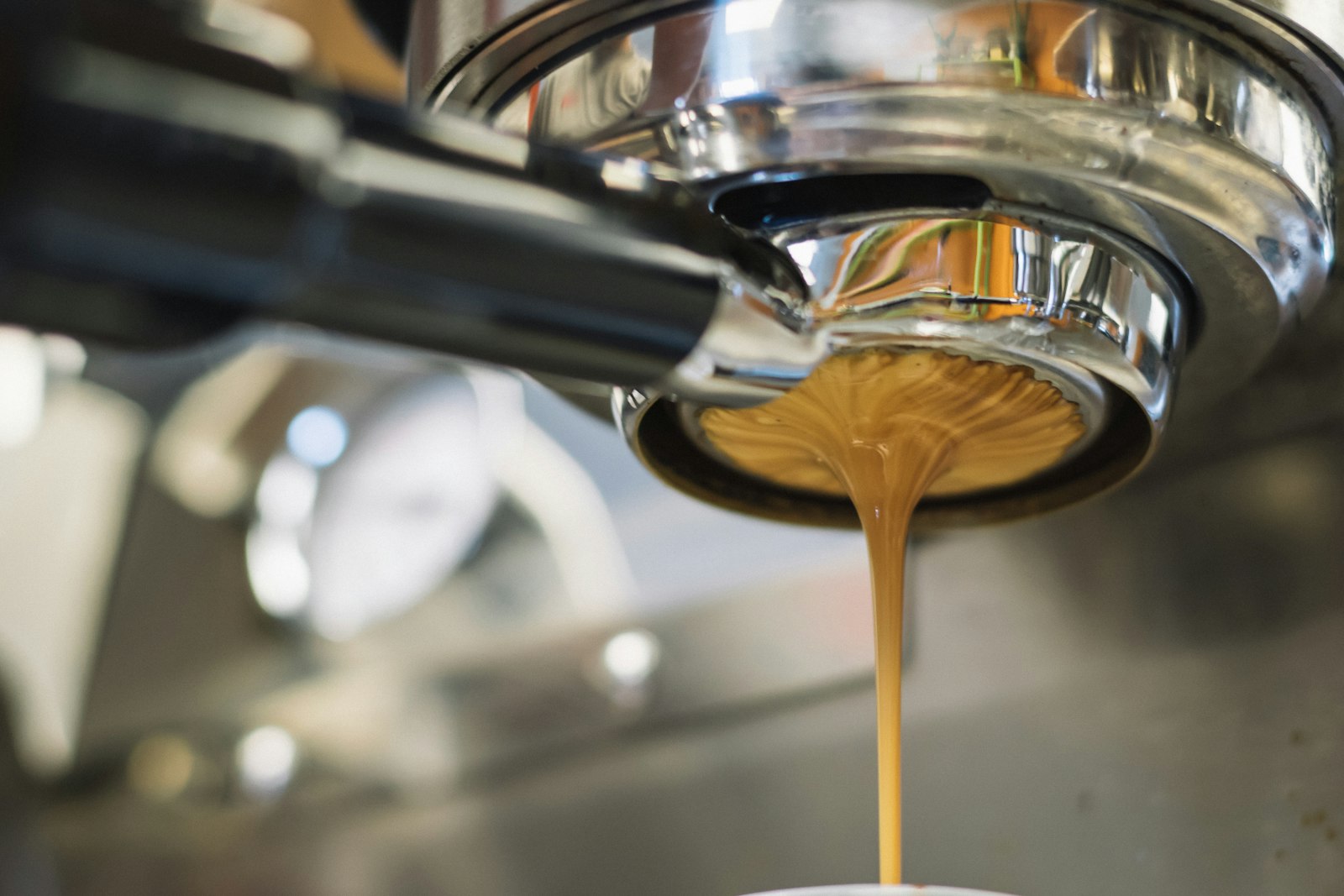
Photo by Blake Verdoorn on Unsplash
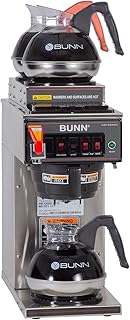
Drip coffee makers brew a full pot at once by slowly running hot water through ground coffee in a filter basket. They are the most common style in American kitchens and work well for households that drink several cups a day.
Single serve machines use pods or capsules to brew one cup at a time in under a minute. They are ideal for people who live alone or for offices where everyone prefers a different roast.
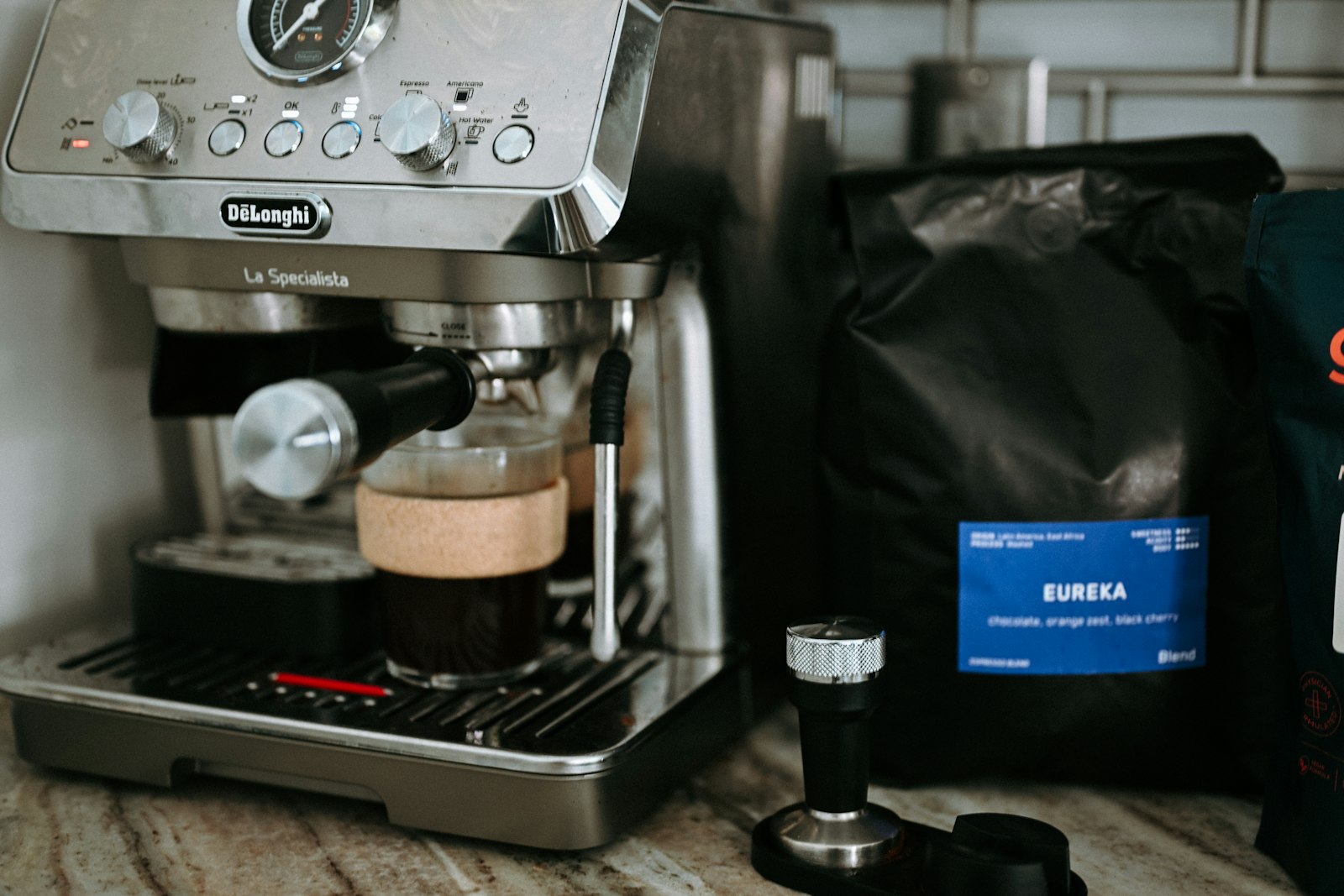
espresso machines force pressurized hot water through finely ground coffee to produce a concentrated shot, often used as the base for lattes and cappuccinos.
French press and pour over brewers are manual methods that give you more control over strength and flavor, appealing to coffee enthusiasts who enjoy the ritual of brewing by hand.
Percolators are an older stovetop or electric style that continuously cycles boiling water through the grounds, producing a bold and often stronger cup.
Not every feature matters equally, so focus on the ones that fit your daily routine.
Carafe capacity determines how many cups you can brew at once. A twelve cup carafe suits a family, while a smaller four cup model may be enough for one or two people.
Thermal versus glass carafes is another important choice. Thermal carafes keep coffee hot for hours without a heating plate, which also helps preserve flavor, while glass carafes are cheaper but coffee can taste burnt if left on the warmer too long.
Programmability lets you set a brew time in advance, so coffee is ready the moment you wake up. Many mid range and higher end machines include this feature.
Water filtration built into the machine can noticeably improve taste, especially if your tap water has a strong mineral content.
Brew strength control allows you to adjust the intensity of the coffee, which matters if different people in your household prefer different strengths.
drip coffee makers remain the most practical choice for most households because they balance price, capacity, and convenience. Look for a model with a showerhead style water dispenser, since this ensures even saturation of the coffee grounds and a more consistent extraction than machines that pour from a single point.
Pay attention to the maximum brew temperature as well. The Specialty Coffee Association recommends brewing between 195 and 205 degrees Fahrenheit for optimal extraction, and many budget machines fall short of that range, resulting in weak or sour tasting coffee. If a listing does not mention brew temperature at all, that is often a sign the manufacturer has not optimized for flavor, only for speed.
Brew time matters too. A full twelve cup pot should generally finish in about six to eight minutes. Machines that brew noticeably faster than that are usually running water through the grounds too quickly, which under extracts the coffee and leaves it tasting thin and watery no matter how much coffee you use.
Single serve machines have grown enormously popular because they eliminate waste and cut brewing time down to about ninety seconds. If you choose this style, consider whether the machine accepts a reusable filter in addition to prepackaged pods, since pods can become expensive over months of daily use and generate more packaging waste.
Also check the reservoir size. Larger tanks mean fewer refills throughout the day, which matters more than people expect once the machine becomes part of a daily routine. A one liter reservoir is usually enough for about eight cups before it needs a refill, while smaller half liter tanks may need topping up twice a day in a busy household.
Cup size flexibility is another detail worth checking before you buy. The better single serve machines let you choose between several brew sizes, from a small four ounce espresso style shot up to a full twelve ounce travel mug, rather than forcing every cup into one fixed volume.
If your goal is café quality espresso, lattes, or cappuccinos at home, a dedicated espresso machine is worth the investment. Semi automatic machines give you full control over grind size, tamping pressure, and extraction time, while super automatic machines handle most of the process at the push of a button.
Beginners often find semi automatic machines have a learning curve, so if you are new to espresso, a super automatic model or a capsule based espresso machine can be a gentler entry point before upgrading later.
Regular maintenance is the single biggest factor in how long a coffee maker lasts. Mineral buildup from hard water is the most common cause of premature failure, so descaling every one to three months with a mixture of water and white vinegar, or a dedicated descaling solution, keeps internal components running smoothly.
Clean the carafe and filter basket after every use, and replace the water filter cartridge according to the manufacturer schedule if your machine includes one. Neglecting these simple steps is the reason many coffee makers stop working well within the first year despite being perfectly good hardware.
One frequent mistake is buying based on carafe size alone without considering counter space, since larger machines with built in grinders or water filtration can take up significantly more room than a basic drip model.
Another common error is ignoring noise level, particularly for espresso machines with built in grinders, which can be surprisingly loud early in the morning in an apartment or shared living space.
Finally, many buyers skip reading the warranty terms. A longer warranty period is often a good signal of how confident the manufacturer is in the machine's long term reliability.
How often should I clean my coffee maker? Wipe down and clean the carafe and filter basket daily, and run a full descaling cycle every one to three months depending on your water hardness.
Is a more expensive coffee maker always better? Not necessarily. Price often reflects build quality, warranty length, and extra features like programmability or built in grinders, but a well reviewed budget model can still brew excellent coffee.
What is the ideal water to coffee ratio? A common starting point is two tablespoons of ground coffee for every six ounces of water, adjusted to taste from there.
How long does a good coffee maker typically last? With regular descaling and basic care, a well built drip or single serve machine can reasonably last three to five years. Espresso machines with more moving parts often need professional servicing after a couple of years of daily use to keep seals and pumps working correctly.
The best coffee maker is the one that matches how you actually drink coffee day to day, whether that means a large capacity drip machine for a busy household, a single serve model for convenience, or an espresso machine for a more hands on brewing experience. Focus on brew temperature, ease of cleaning, and realistic capacity needs, and you will end up with a machine that serves you reliably for years rather than months.


Best Coffee Maker With Grinder: The Complete Buying Guide for 2026

Best Small Electric Coffee Makers in 2026: The Complete Buying Guide

Best Hot Chocolate for Keurig Coffee Makers in 2026: The Complete Buying Guide

Best German Made Coffee Makers in 2026: The Complete Buying Guide

Best Electric French Press Coffee Makers in 2026: The Complete Buying Guide