Best Cold Brew Coffee Machines Made Simple: A Clear Buying Guide
Cold brew has moved from coffee shop menus into home kitchens, and with it a wave of cold brew coffee machines: simple pitchers, glass towers, electric rapid brewers and multi function coffee makers with a cold brew setting. If you are buying your first one, the choices and terms can be confusing.
This guide starts from scratch. We explain how cold brew works, translate the key specs into plain English, flag the mistakes beginners make and walk through your first batch. By the end, you will know what to look for among the best cold brew coffee machines and which features you can skip. The comparison table above lists current options and prices.
Compare Products
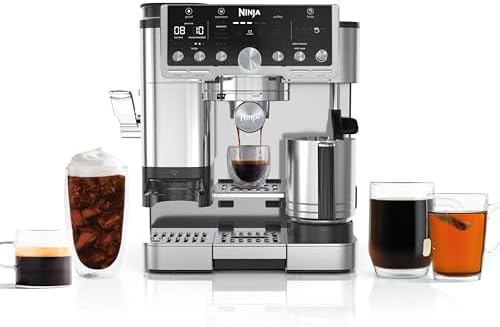
Ninja Luxe Café Pro Series, Espresso, Cold Brew, Hot Water,
- EgCoffee Score8.6
EgCoffee Score is a ranking system developed by EgCoffee.com. EgCoffee score has no relationship or impact from any manufacturers or sales agent websites. Learn more
- BrandNinja

NitroPress DS Electric Nitro Cold Brew Coffee & Cocktail Maker
- EgCoffee Score8.8
EgCoffee Score is a ranking system developed by EgCoffee.com. EgCoffee score has no relationship or impact from any manufacturers or sales agent websites. Learn more
- BrandHatfields London

Yama Cold Brew Maker I Ice Coffee Machine With Slow
- EgCoffee Score8.8
EgCoffee Score is a ranking system developed by EgCoffee.com. EgCoffee score has no relationship or impact from any manufacturers or sales agent websites. Learn more
- BrandN/A

Ninja Hot & Iced XL Coffee Maker with Rapid Cold
- EgCoffee Score9.2
EgCoffee Score is a ranking system developed by EgCoffee.com. EgCoffee score has no relationship or impact from any manufacturers or sales agent websites. Learn more
- BrandNinja

Electactic Espresso machine with Cold Brew, 20 Bar Espresso Maker
- EgCoffee Score8.4
EgCoffee Score is a ranking system developed by EgCoffee.com. EgCoffee score has no relationship or impact from any manufacturers or sales agent websites. Learn more
- BrandElectactic

Kismile SCA Certified 8-Cup Coffee Maker, 6-Min Quick Brew, Hot
- EgCoffee Score8.4
EgCoffee Score is a ranking system developed by EgCoffee.com. EgCoffee score has no relationship or impact from any manufacturers or sales agent websites. Learn more
- BrandKismile
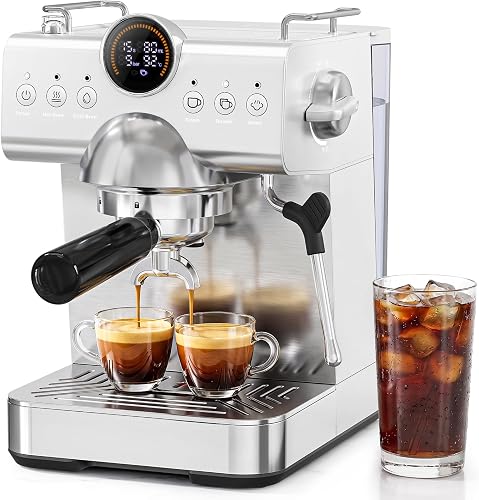
Kismile 20 Bar Espresso Machine with Milk Frother, Hot &
- EgCoffee Score9.2
EgCoffee Score is a ranking system developed by EgCoffee.com. EgCoffee score has no relationship or impact from any manufacturers or sales agent websites. Learn more
- BrandN/A

RELEXNOW Espresso Machine, 20 Bar Espresso Maker Milk Frother &
- EgCoffee Score8.4
EgCoffee Score is a ranking system developed by EgCoffee.com. EgCoffee score has no relationship or impact from any manufacturers or sales agent websites. Learn more
- BrandN/A

KOTLIE 19Bar Pressure Single Serve Coffee Maker, Multifunctional 5in1 Coffee
- EgCoffee Score8.6
EgCoffee Score is a ranking system developed by EgCoffee.com. EgCoffee score has no relationship or impact from any manufacturers or sales agent websites. Learn more
- BrandN/A

DASH Rapid Cold Brew Coffee Maker, Electric Cold Brew Machine
- EgCoffee Score8.0
EgCoffee Score is a ranking system developed by EgCoffee.com. EgCoffee score has no relationship or impact from any manufacturers or sales agent websites. Learn more
- BrandDASH

- EgCoffee Score8.8
EgCoffee Score is a ranking system developed by EgCoffee.com. EgCoffee score has no relationship or impact from any manufacturers or sales agent websites. Learn more
- BrandN/A

VEVOR Nitro Cold Brew Coffee Maker 17 oz Nitrogen Dispenser
- EgCoffee Score8.6
EgCoffee Score is a ranking system developed by EgCoffee.com. EgCoffee score has no relationship or impact from any manufacturers or sales agent websites. Learn more
- BrandVEVOR

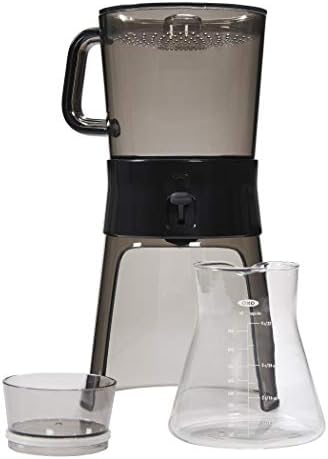
OXO Brew Compact Cold Brew Coffee Maker - 24 oz
- EgCoffee Score8.8
EgCoffee Score is a ranking system developed by EgCoffee.com. EgCoffee score has no relationship or impact from any manufacturers or sales agent websites. Learn more
- BrandOXO
Last update on 2026-11-12 / Affiliate links / Images, Product Titles, and Product Highlights from Amazon Product Advertising API
Cold brew is coffee made by steeping coarse grounds in cold or room temperature water for a long time, usually 12 to 24 hours, instead of brewing with hot water in minutes. Because heat is not used, fewer bitter compounds and acids dissolve, so cold brew tastes smooth, sweet and mellow.
The result is usually a concentrate, a strong coffee you dilute with water, milk or ice before drinking. A batch keeps in the fridge for about a week, which makes mornings fast: pour, dilute and go.
Cold brew machines come in a few styles. Immersion pitchers and jars hold grounds in a mesh or paper filter inside a container. Slow drip towers drip cold water through coffee over several hours. Electric cold brew machines speed up extraction by circulating water or using vacuum and pressure. Some coffee makers also offer a cold brew mode, which often makes a quick, cold brew style coffee rather than a true 12 hour steep.
Iced coffee and cold brew are different drinks. Iced coffee is hot coffee cooled or poured over ice, while cold brew never touches hot water. Both are refreshing, but cold brew is noticeably smoother and less acidic.
Many people with sensitive stomachs find cold brew easier to drink for that reason, and its natural sweetness means some drinkers use less sugar or cream than they would with hot coffee.
These six areas cover what really matters when you compare cold brew makers.
Brewing Method and Coffee Style
Immersion makers are the simplest and most popular: add coarse grounds and water, steep in the fridge, then remove the filter. Slow drip towers produce a lighter, very clean cold brew and look striking on a counter, but they cost more and need more attention. Electric machines can make cold brew in minutes or a couple of hours instead of a day, which is handy if you forget to plan ahead.
What to choose: start with an immersion pitcher if you want simple, reliable cold brew at low cost. Choose an electric machine if speed matters, and a drip tower if you enjoy the process and display.
Multi function coffee makers with a cold brew or over ice setting are a good middle ground for people who also drink hot coffee and want one appliance to cover both.
Milk Frothing Options
Cold brew makers do not froth milk themselves, but many people enjoy cold brew with cold foam on top. A handheld frother or an electric frother with a cold setting makes thick, creamy foam in seconds. Some multi function coffee machines include a frother that works with cold milk.
What to choose: if you love iced lattes or cold foam drinks, budget for a frother with a cold foam setting. Otherwise, a splash of milk poured straight into the glass works fine.
Cold brew concentrate also mixes well with flavored syrups, sweetened condensed milk or plant milks, so a simple maker can produce a whole menu of iced drinks at home without any special equipment.
Capacity and Serving Size
Cold brew makers range from small jars that make a few servings to pitchers of 32 to 64 ounces or more. Because cold brew is often a concentrate, even a 32 ounce batch can make many glasses once diluted. Check that the maker fits in your fridge door or on a shelf.
What to choose: one person usually does well with about 32 ounces per batch. Couples and families who drink cold brew daily may want 64 ounces or a maker that brews large batches.
Pitchers with a pour spout and a tight lid are easier to use straight from the fridge. Some fit in the door shelf, which frees up main shelf space for food.
Programmable Features and Controls
Manual immersion makers have no controls at all, which is part of their appeal. Electric cold brew machines may let you choose strength, brew time or batch size, and some multi function coffee makers include cold brew alongside hot settings with a digital display.
What to choose: for a manual maker, look for a clear fill line and an easy to remove filter. For an electric machine, look for simple strength settings and a timer that tells you when the batch is done.
For manual makers, a phone reminder does the job of a timer. Set an alarm when you start steeping so you remember to remove the filter at the right time rather than leaving it for days.
Cleaning, Descaling, and Maintenance
Immersion makers are easy to clean: empty the grounds, rinse the filter and wash the pitcher, often in the dishwasher. Fine mesh filters can trap oils and need occasional soaking. Electric machines have more parts and may need descaling if they heat or circulate water.
What to choose: favor makers with a wide opening for easy cleaning, dishwasher safe parts and a filter that is easy to remove and rinse. Glass pitchers resist stains and odors better than plastic.
Paper filter systems make cleanup even easier, since you simply throw away the filter and grounds, though you will need to buy filters. Reusable mesh filters save money but need a thorough rinse after every batch.
Pod Cost and Long Term Value
Cold brew uses more coffee per batch than hot brewing, often a ratio of about one part coffee to four to eight parts water for concentrate. Even so, homemade cold brew costs far less per glass than buying it at a coffee shop. Pod based cold brew systems exist but cost much more per serving.
What to choose: a reusable filter pitcher with ordinary coarse ground coffee offers the best long term value. Buying coffee in larger bags for cold brew is sensible, since it is used up quickly.
You can also stretch value by brewing a stronger concentrate and diluting it more. Because concentrate keeps for about a week, one batch made on a Sunday can cover weekday mornings.
- Using a fine grind. Fine grounds make muddy, bitter cold brew and clog filters. Use a coarse grind like sea salt.
- Steeping too long. Past about 24 hours, cold brew can turn woody and bitter. Start around 16 to 18 hours and adjust.
- Forgetting to dilute. Concentrate is strong. Mix it with water or milk to taste, often about one to one.
- Ignoring fridge space. Measure your fridge shelf or door before buying a tall pitcher.
- Squeezing the filter. Pressing the grounds to get the last drops pushes bitter fines into the brew. Let it drain on its own.
- Keeping it too long. Cold brew tastes best within about a week; label the date on the pitcher.
Wash the pitcher, filter and lid before first use. Measure coarse ground coffee and cold, filtered water using the maker's suggested ratio; about one cup of coarse coffee to four cups of water is a common starting point for concentrate. Add the coffee to the filter, pour the water slowly to wet all the grounds and stir gently if needed.
Cover and steep in the fridge for 12 to 24 hours, with 16 to 18 hours as a good first try. Remove the filter, let it drain and discard the grounds. Pour a glass of concentrate over ice and dilute with water or milk to taste.
Taste and adjust on your next batch: steep longer or use more coffee for a stronger brew, less time or less coffee for a lighter one. Clean the filter thoroughly after each batch so old oils do not affect the flavor.
Store the finished concentrate in a sealed container in the fridge, and try brewing with a different roast or origin after a few batches. Cold brew highlights chocolate and caramel notes, so medium and dark roasts are a good place to start exploring.
Can I use regular coffee in a cold brew coffee machine?
Yes, you can use regular coffee in a cold brew coffee machine, but it should be ground coarsely. Preground drip coffee is usually too fine and can make cold brew cloudy and bitter while clogging the filter. Look for coffee labeled coarse or cold brew, or grind whole beans to a coarse setting. Medium and dark roasts are popular because they taste sweet and chocolatey as cold brew.
How often should I descale my cold brew coffee machine?
Manual cold brew pitchers do not need descaling, since they never heat water. Rinse and wash them after each batch and soak the filter occasionally. Electric cold brew machines or coffee makers with a cold brew mode that heat or circulate water should be descaled every one to three months, following the maker's instructions.
How long does a cold brew coffee machine usually last?
A manual cold brew pitcher can last many years, especially glass models with durable filters, though mesh filters may need replacing over time. Electric cold brew machines usually last three to five years with regular cleaning. Checking that replacement filters are available helps you keep any maker in service longer.
Is a more expensive cold brew coffee machine really worth it?
A more expensive cold brew coffee machine is worth it if you value speed, a larger capacity or a design you will enjoy using daily. Electric machines that make cold brew in minutes cost more but save planning. For most people, an affordable immersion pitcher makes excellent cold brew, since time does most of the work.
Is a cold brew coffee machine with a built in grinder worth it?
Very few cold brew machines include grinders, and most people do not need one. Buying coarse ground coffee or grinding beans coarsely with a separate burr grinder works well. A built in grinder mainly appears on multi function coffee makers, where it adds cost and size.
For a first cold brew maker, three things matter most: the brewing method that fits your routine, a capacity that suits your fridge and how much you drink, and a filter that is easy to clean. A simple immersion pitcher is the best starting point for most people; electric machines make sense if you want cold brew on short notice.
For more coffee gear, see our guides to the best cold brew coffee bags, the best coffee machines and the best drip coffee machines.
With the basics covered, finding the best cold brew coffee machines for your kitchen is easy. Check the comparison table above for current options and prices.


Best Pour Over Coffee Machines: Which One Fits the Way You Use It?

Best Fast Cold Brew Coffee Makers (2026): 3 Picks Chosen for Flavor and Consistency

Best Moka Pots for Gas Stove (2026): 3 Picks Chosen for Flavor and Consistency

Best Aeropresses for Camping in 2026: 3 Top Picks + Buying Guide

Best Espro French Presses: Which Model Brews the Best Cup? (2026)
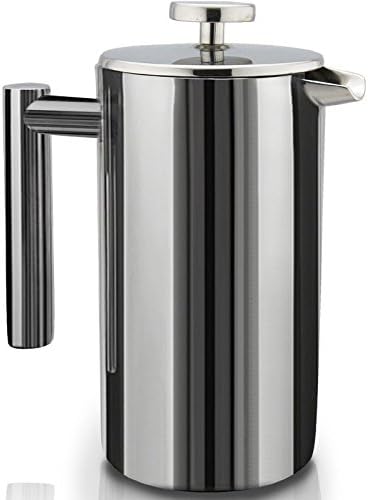
Best Stainless Steel French Presses (2026): 3 Picks Chosen for Flavor and Consistency

Best Alessi Moka Pots: Which Model Brews the Best Cup? (2026)

Best Vietnamese Coffee Filters of 2026: Our 3 Top Picks + Buying Guide