
Best Grind and Brew Coffee Machines: A First Time Buyer's Guide for 2026
Many people discover the difference fresh ground coffee makes and then face a choice: buy a separate grinder or get a machine that grinds and brews in one. Grind and brew coffee machines promise fresh coffee with almost no extra effort, but for a first time buyer the specs, noise and cleaning needs can be hard to judge from a listing.
This guide starts from the beginning. We explain how grind and brew machines work, translate the key specs into plain English, point out the mistakes beginners make and walk through setup. By the end, you will know what to look for among the best grind and brew coffee machines and which features you can skip. The comparison table above lists current models and prices.
Compare Products

Cuisinart DGB-950BCC Burr Grind & Brew 10 Cup Automatic Coffee
- EgCoffee Score7.8
EgCoffee Score is a ranking system developed by EgCoffee.com. EgCoffee score has no relationship or impact from any manufacturers or sales agent websites. Learn more
- BrandCuisinart

Morniva Drip Coffee Maker with Built-In Grinder 5-Cup | Grind
- EgCoffee Score8.0
EgCoffee Score is a ranking system developed by EgCoffee.com. EgCoffee score has no relationship or impact from any manufacturers or sales agent websites. Learn more
- BrandMorniva

Chefman Crema Deluxe Espresso Machine with Double Boiler, Use Milk
- EgCoffee Score8.2
EgCoffee Score is a ranking system developed by EgCoffee.com. EgCoffee score has no relationship or impact from any manufacturers or sales agent websites. Learn more
- BrandChefman

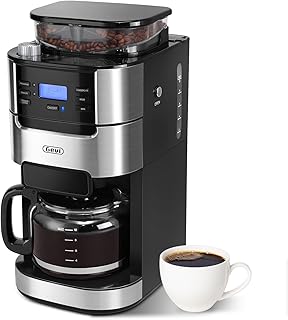
Gevi 10-Cup Grind & Brew Drip Coffee Maker with Built-In
- EgCoffee Score8.8
EgCoffee Score is a ranking system developed by EgCoffee.com. EgCoffee score has no relationship or impact from any manufacturers or sales agent websites. Learn more
- BrandGevi

Drip Coffee Maker with Built In Grinder, 10-Cup Grind and
- EgCoffee Score9.0
EgCoffee Score is a ranking system developed by EgCoffee.com. EgCoffee score has no relationship or impact from any manufacturers or sales agent websites. Learn more
- BrandHavato

- EgCoffee Score7.8
EgCoffee Score is a ranking system developed by EgCoffee.com. EgCoffee score has no relationship or impact from any manufacturers or sales agent websites. Learn more
- BrandAIRMSEN

Cuisinart Automatic Grind & Brew 12-Cup Coffee Maker with Blade
- EgCoffee Score8.0
EgCoffee Score is a ranking system developed by EgCoffee.com. EgCoffee score has no relationship or impact from any manufacturers or sales agent websites. Learn more
- BrandCuisinart
- EgCoffee Score8.4
EgCoffee Score is a ranking system developed by EgCoffee.com. EgCoffee score has no relationship or impact from any manufacturers or sales agent websites. Learn more
- BrandN/A

VEVOR Coffee Maker with Grinder, 8 Cup Programmable Coffee Machine,
- EgCoffee Score7.4
EgCoffee Score is a ranking system developed by EgCoffee.com. EgCoffee score has no relationship or impact from any manufacturers or sales agent websites. Learn more
- BrandN/A
Last update on 2026-11-12 / Affiliate links / Images, Product Titles, and Product Highlights from Amazon Product Advertising API
A grind and brew coffee machine has a bean hopper on top, a grinder underneath it and a coffee maker below. When you start a brew, the grinder measures and grinds the right amount of beans, drops the grounds into the filter basket and the machine brews as usual. Some models do this on a timer, so fresh coffee is ready when you wake up.
The appeal is freshness. Coffee starts losing aroma soon after grinding, and pre ground coffee can taste flat within days of opening. Grinding just before brewing keeps more flavor in the cup without adding a separate appliance to your counter.
A few terms help. A burr grinder crushes beans between two surfaces for an even grind, while a blade grinder chops them with a spinning blade for a less even result. Strength settings usually change how much coffee is ground. A grind off or bypass option lets you skip the grinder and use pre ground coffee. A thermal carafe keeps coffee hot without a warming plate.
You may also see cup quantity settings, which tell the grinder how many cups' worth of beans to grind, and small batch modes, which slow the water for one to four cups so a smaller pot tastes as full as a large one.
Most grind and brew machines make drip coffee, but some brew single cups and bean to cup espresso machines also grind and brew. This guide focuses on drip style machines, the most common type.
Grind and brew machines cost more than standard drip makers, but less than buying a quality coffee maker and a good burr grinder separately. For many households, that combination of price, freshness and convenience is the main reason to choose one.
These five areas cover what really matters when comparing grind and brew machines.
Brewing Method and Coffee Style
Most grind and brew machines brew a carafe of drip coffee, usually 10 to 12 cups, with small batch settings for 1 to 4 cups. Single cup grind and brew machines make one fresh mug at a time. Bean to cup espresso machines grind and brew espresso and often froth milk.
What to choose: families and daily mug drinkers do best with a 10 to 12 cup drip model. Solo drinkers can choose a smaller machine or single cup model. Latte lovers should look at bean to cup espresso machines instead.
Think about how many people drink coffee in your home and when. If everyone drinks at once, a full carafe makes sense; if people wake at different times, a thermal carafe or single cup design keeps coffee fresh for each person.
Programmable Features and Controls
The most useful feature is a 24 hour programmable timer, which lets the machine grind and brew automatically before you get up. Strength settings, cup quantity selection, small batch modes and adjustable keep warm times are also valuable. Touch screens and displays make settings easier to see.
Some machines also remember your last settings, which saves time every morning.
What to choose: prioritize a timer and strength control. Fancy displays are nice but less important than clear, simple controls you can use half awake.
A keep warm timer you can adjust is worth having. Coffee left on a hot plate too long turns bitter, so being able to set warming for 30 or 60 minutes, or turn it off, keeps the last cup tasting better.
Footprint and Countertop Fit
Grind and brew machines are tall because the bean hopper sits on top. Many stand 16 to 18 inches high, and you need extra space above to open the hopper lid and add beans. Depth and width are similar to regular coffee makers.
Remember to leave room in front of the machine for the carafe and any drip tray, since you will be reaching in several times a day.
What to choose: measure the height under your cabinets before buying and leave several inches of clearance. If space is tight, you may need to slide the machine forward to refill beans, so choose a model that is easy to move.
Noise travels farther than you might expect from a tall machine, so place it away from bedroom walls if possible. Rubber feet and a sturdy base also reduce vibration during grinding.
Milk Frothing Options
Most grind and brew drip machines do not include a milk frother. If you drink lattes or cappuccinos, you will need a separate frother or a bean to cup espresso machine with a milk system.
What to choose: black coffee drinkers can ignore frothing entirely. Occasional latte drinkers can add an inexpensive electric frother that works with any coffee maker.
If you love both regular coffee and espresso drinks, a combination machine that grinds for drip and espresso is an option, though it costs more, takes more space and needs more cleaning than a simple grind and brew drip maker.
Built In Grinder vs Pre Ground
Burr grinders give a more even grind, which leads to more balanced flavor, and usually offer several grind settings. Blade grinders cost less but produce uneven grounds that can taste both bitter and sour. Almost all grind and brew machines also let you bypass the grinder for pre ground coffee.
What to choose: a burr grinder is worth the extra cost if flavor matters to you. If budget comes first, a blade grinder machine still beats stale pre ground coffee, especially with fresh beans.
Grind consistency affects more than flavor. Even grounds let water flow at a steady rate, which helps prevent overflow in the filter basket and keeps each pot tasting the same from day to day.
- Forgetting cabinet clearance. Tall hoppers often hit low cabinets. Measure before ordering.
- Filling the hopper with weeks of beans. Beans sitting in the hopper lose freshness. Add only a few days' worth at a time.
- Using oily dark roast beans. Very oily beans can clog the grinder chute. Medium roasts are easier on the machine.
- Skipping grinder cleaning. Coffee oils build up in the grinder and make fresh beans taste stale. Brush it weekly.
- Grinding too much for one person. Set the cup quantity to match what you drink so beans are not wasted and coffee is not left sitting.
- Ignoring noise. Grinders are loud. If you brew early, check owner comments about noise or time the brew carefully.
Unpack the machine, remove all packaging and wash the carafe, filter basket and any removable grinder parts as the manual directs. Run one or two brew cycles with plain water to flush the system, and fill the reservoir with filtered water to protect flavor and reduce scale.
Add fresh whole beans to the hopper, choose a middle strength and cup setting and brew your first pot. Taste and adjust one setting at a time: increase strength or use a finer grind setting if the coffee is weak, reduce strength or go coarser if it is bitter. Set the clock and timer for the next morning.
Store extra beans in an airtight container away from light and heat, and refill the hopper with small amounts. This keeps beans fresh and makes it easier to switch roasts when you want to try something new.
Plan to descale every one to three months depending on water hardness and brush the grinder chute every week or two.
Check the manual for how to clean the grinder safely. Most machines let you remove the hopper and brush the burrs or blade, and some include a cleaning brush. Unplug the machine first and never use water on the grinder unless the maker says it is safe.
How long does a grind and brew coffee machine usually last?
A grind and brew coffee machine usually lasts three to six years with regular care. The grinder adds moving parts that can wear, so cleaning matters. Brushing the grinder, descaling on schedule and avoiding very oily beans help it last longer. Choosing a brand with available parts and a solid warranty adds peace of mind.
How often should I descale my grind and brew coffee machine?
Descale your grind and brew coffee machine every one to three months. Hard water and daily use call for monthly descaling, while filtered water allows longer gaps. Slow brewing and flat tasting coffee are signs it is overdue. Follow the maker's instructions and keep descaling solution away from the grinder.
Is a grind and brew coffee machine with a built in grinder worth it?
A grind and brew coffee machine with a built in grinder is worth it if you want fresh coffee with minimal effort and do not already own a grinder. It saves counter space and a step each morning. If you already have a quality burr grinder, a standard coffee maker paired with it may be cheaper and more flexible.
Is a more expensive grind and brew coffee machine really worth it?
A more expensive grind and brew coffee machine is worth it when it adds a burr grinder, more grind and strength settings, a thermal carafe or better build quality. Those upgrades improve flavor and durability. Paying more for screens or apps rarely changes the coffee itself.
What grind size works best with a grind and brew coffee machine?
A medium grind works best for drip grind and brew coffee machines, similar in texture to coarse sand. If your machine has grind settings, start in the middle and adjust: finer if coffee tastes weak or sour, coarser if it tastes bitter. Change one setting at a time so you can tell what made the difference.
For a first grind and brew machine, three things matter most: a grinder that grinds evenly (ideally burr), a programmable timer and a height that fits under your cabinets. With those in place, you will enjoy fresher coffee every morning without extra work.
If you are choosing between two machines, pick the one with the better grinder and easier cleaning, even if it has fewer extras. Those two details shape your coffee and your daily routine far more than screens or extra modes.
For related guides, see the best drip coffee machines, the best coffee machines and the best cold brew coffee machines.
With the basics covered, choosing among the best grind and brew coffee machines is much easier. Check the comparison table above for current models and prices.


Best Grind Brew Coffee Makers: Reviews and Buying Guide for 2026

Best Pour Over Coffee Machines: Which One Fits the Way You Use It?
Best Cold Brew Coffee Machines Made Simple: A Clear Buying Guide

Best Automatic Espresso Machines for Home: A First Time Buyer's Guide for 2026

Best Auto Espresso Machines: Our 2026 Checklist and Top 3 Picks

The Best Milk Frothers for Hot Chocolate: Buying Guide & Top Picks

Best Ground Coffee Made Simple: A Clear Buying Guide

Best Coffee Machines with Grinder: Everything to Know Before Your First Purchase
