Best Coffee Machines: Everything to Know Before Your First Purchase
Buying your first real coffee machine can feel like learning a new language. Listings throw around terms like bloom, bar pressure, thermal carafe and burr grinder, and it is hard to tell which ones matter for a simple, good cup in the morning.
This guide starts at the beginning. We explain how coffee machines work, translate the key specs into plain English, point out the mistakes first time buyers make and walk you through setup. By the end, you will know exactly what to look for among the best coffee machines and which features you can safely ignore. The comparison table above lists current options when you are ready to shop.
Compare Products
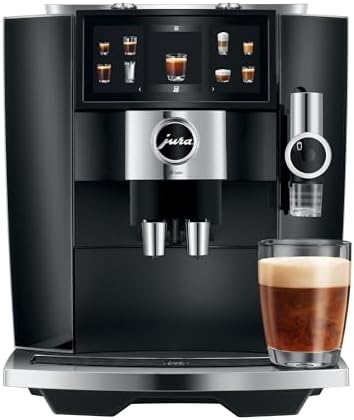
Jura J8 twin Diamond Black 15658 Automatic Coffee Machine
- EgCoffee Score8.6
EgCoffee Score is a ranking system developed by EgCoffee.com. EgCoffee score has no relationship or impact from any manufacturers or sales agent websites. Learn more
- BrandJura

Jura E4 Piano White Automatic Coffee Machine
- EgCoffee Score8.6
EgCoffee Score is a ranking system developed by EgCoffee.com. EgCoffee score has no relationship or impact from any manufacturers or sales agent websites. Learn more
- BrandN/A

Bosch 800 Series Fully Automatic Espresso and Coffee Machine –
- EgCoffee Score8.4
EgCoffee Score is a ranking system developed by EgCoffee.com. EgCoffee score has no relationship or impact from any manufacturers or sales agent websites. Learn more
- BrandBosch

De'Longhi Eletta Explore Espresso Machine with Cold Brew, Hot &
- EgCoffee Score8.4
EgCoffee Score is a ranking system developed by EgCoffee.com. EgCoffee score has no relationship or impact from any manufacturers or sales agent websites. Learn more
- BrandDe'Longhi

Jura E4 Piano Black Automatic Coffee Machine, 120 volts
- EgCoffee Score8.4
EgCoffee Score is a ranking system developed by EgCoffee.com. EgCoffee score has no relationship or impact from any manufacturers or sales agent websites. Learn more
- BrandJura

KitchenAid Fully Automatic Espresso Machine KF3 With Iced Coffee, KES8453
- EgCoffee Score8.2
EgCoffee Score is a ranking system developed by EgCoffee.com. EgCoffee score has no relationship or impact from any manufacturers or sales agent websites. Learn more
- BrandKitchenAid

- EgCoffee Score8.2
EgCoffee Score is a ranking system developed by EgCoffee.com. EgCoffee score has no relationship or impact from any manufacturers or sales agent websites. Learn more
- BrandDe'Longhi

Cafe Bueno Super Automatic Espresso Machine For Home - Coffee
- EgCoffee Score8.2
EgCoffee Score is a ranking system developed by EgCoffee.com. EgCoffee score has no relationship or impact from any manufacturers or sales agent websites. Learn more
- BrandCafe Bueno
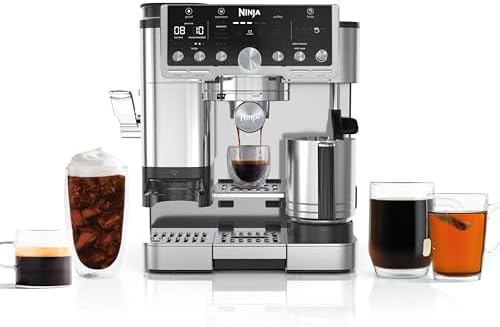
Ninja Luxe Café Pro Series, Espresso, Cold Brew, Hot Water,
- EgCoffee Score8.6
EgCoffee Score is a ranking system developed by EgCoffee.com. EgCoffee score has no relationship or impact from any manufacturers or sales agent websites. Learn more
- BrandNinja

Gaggia Anima Coffee and Espresso Machine, Includes Steam Wand for
- EgCoffee Score8.0
EgCoffee Score is a ranking system developed by EgCoffee.com. EgCoffee score has no relationship or impact from any manufacturers or sales agent websites. Learn more
- BrandGaggia

PHILIPS 4400 Series Fully Automatic Espresso Machine – 12 Hot
- EgCoffee Score8.4
EgCoffee Score is a ranking system developed by EgCoffee.com. EgCoffee score has no relationship or impact from any manufacturers or sales agent websites. Learn more
- BrandPHILIPS

Breville Barista Express Espresso Machine BES870XL, Brushed Stainless Steel
- EgCoffee Score8.8
EgCoffee Score is a ranking system developed by EgCoffee.com. EgCoffee score has no relationship or impact from any manufacturers or sales agent websites. Learn more
- BrandBreville

Ninja Luxe Café Mini, Espresso Machine & Drip Coffee, Stainless,
- EgCoffee Score8.8
EgCoffee Score is a ranking system developed by EgCoffee.com. EgCoffee score has no relationship or impact from any manufacturers or sales agent websites. Learn more
- BrandNinja
Last update on 2026-11-11 / Affiliate links / Images, Product Titles, and Product Highlights from Amazon Product Advertising API
Every coffee machine does the same basic job: it brings hot water into contact with ground coffee for the right amount of time, then separates the liquid from the grounds. The differences come from how the water is heated, how it meets the coffee and how long they stay together.
A few terms come up again and again. Extraction is the process of water dissolving flavor from the grounds; too little gives sour, weak coffee and too much gives bitter coffee. Brew ratio is how much coffee you use for a given amount of water, and a common starting point for drip coffee is about one part coffee to sixteen parts water by weight. Grind size controls how fast water flows through the coffee, from fine for espresso to coarse for French press.
You will also see carafe, the pot that holds brewed coffee, and thermal carafe, an insulated version that keeps coffee hot without a warming plate. Bar is a unit of pressure used for espresso machines. Once these words make sense, comparing machines gets much easier.
Temperature is the last piece of the puzzle. Coffee brews best with water between about 195 and 205°F, the range recommended by the Specialty Coffee Association. Machines that run cooler make thin coffee, which is why better models mention their brewing temperature or carry that group's certification.
You do not need to understand every number on a spec sheet. These five areas cover nearly everything that affects your daily coffee.
Brewing Method and Coffee Style
The brewing method decides what kind of coffee you get. Drip machines make a pot of regular coffee and suit households that drink several mugs. Single serve machines make one cup at a time from pods or grounds, which suits solo drinkers. Espresso machines make concentrated shots for lattes and cappuccinos. Pour over machines and manual drippers make clean, bright coffee, and cold brew makers steep coffee for hours for smooth iced drinks.
What to choose: if you are not sure, start with a good drip machine. It is simple, affordable and makes coffee most people enjoy. Choose espresso only if milk drinks are your daily habit.
Hybrid machines that combine a carafe with a single serve option are popular with couples and families who drink coffee at different times. They cost more than a basic drip maker but can replace two appliances.
Built In Grinder vs Pre Ground
Coffee tastes fresher when it is ground right before brewing, because ground coffee loses aroma within days. Machines with a built in grinder handle this automatically. Burr grinders crush beans evenly and give better flavor than blade grinders, which chop beans unevenly.
What to choose: first time buyers do fine with pre ground coffee and a standard machine, especially if they finish a bag within two weeks. If you already know you love fresh coffee, a grind and brew machine saves buying a separate grinder, though it costs more and is louder.
A middle path is to buy a separate burr grinder later. It works with any machine, lets you upgrade one piece at a time and gives you more control over grind size than most built in grinders.
Capacity and Serving Size
coffee machines list capacity in "cups," but a machine cup is usually 5 to 6 ounces, not a full mug. A 12 cup machine fills about six large mugs. Single serve machines list sizes in ounces, often from 6 to 12 ounces or a travel mug.
What to choose: one or two people do well with a 4 to 8 cup machine or a single serve brewer. Families and people who refill a travel mug every morning should look at 10 to 12 cups. A small batch setting helps when you sometimes brew less.
Water reservoir size matters too. A removable reservoir that holds enough for a full pot means fewer trips to the sink, and a clear water window helps you avoid overfilling.
Build Materials (Plastic vs Stainless vs Glass)
Most machines combine a plastic body with a glass or stainless steel carafe. Glass carafes let you see the coffee and clean easily but can break. Stainless steel thermal carafes keep coffee hot for hours and survive drops. Look for BPA free plastic in parts that touch water if non toxic materials matter to you.
What to choose: if you drink coffee within an hour, glass is fine. If coffee often sits longer, a thermal carafe keeps it tasting fresher because there is no hot plate cooking it.
Check which parts are dishwasher safe. Carafes, lids and filter baskets that go in the dishwasher make daily cleanup quick, and that convenience matters more over time than the material of the outer shell.
Pod Cost and Long Term Value
Pod machines are cheap to buy but expensive to run, because each pod costs much more than the same coffee bought by the bag. Over a year of daily use, the difference can be more than the machine's price. Drip and pour over machines are the cheapest to run.
What to choose: if you drink one cup a day and value speed, a pod machine can make sense, especially with a reusable filter for your own coffee. If you drink several cups a day, a drip machine saves money quickly.
Do the simple math before you buy: multiply the number of cups you drink each week by the cost per cup for pods and for ground coffee. The yearly difference usually makes the decision obvious.
- Buying for features instead of habits. A machine with ten brew styles is wasted if you only ever make one pot of regular coffee. Start with how you drink coffee.
- Ignoring counter space. Measure under your cabinets before ordering. Tall machines and those with top loading reservoirs may not fit.
- Forgetting running costs. Pods, filters and descaling supplies add up. Factor them into the real price.
- Using stale or wrong coffee. A new machine cannot fix old coffee or the wrong grind. Buy smaller bags and match the grind to the machine.
- Skipping maintenance. Mineral scale builds up in every machine. Without descaling, coffee tastes flat and the machine wears out sooner.
- Overlooking the warranty. A one year warranty or longer and available replacement carafes protect you if something breaks early.
Unbox the machine, remove all stickers and packing material, and wash the carafe, filter basket and any removable parts in warm soapy water. Rinse well. Fill the reservoir with water and run one or two full cycles without coffee to flush out any manufacturing residue.
For your first real brew, use filtered water to protect flavor and reduce scale. Start with about one to two tablespoons of medium ground coffee per 6 ounces of water, then adjust to taste. Set the clock and any timer now so it is ready for tomorrow morning.
Taste and adjust over the first few pots. If the coffee is too strong or bitter, use a little less coffee or a coarser grind. If it is weak or sour, use a little more coffee or a finer grind. Small changes make a big difference, so adjust one thing at a time.
Mark your calendar to descale every one to three months depending on water hardness. Clean the carafe and basket after each use, and wipe any steam wand right after frothing milk.
Is a coffee machine with a built in grinder worth it?
A coffee machine with a built in grinder is worth it if you want fresher coffee and do not want to buy a separate grinder. Grinding right before brewing keeps more aroma and flavor in the cup. The tradeoffs are a higher price, more noise and extra cleaning, since the grinder needs regular brushing. First time buyers who use pre ground coffee can skip it and still make good coffee.
How long does a coffee machine usually last?
A coffee machine usually lasts three to five years, and simple, well built models often last longer. Espresso machines with metal parts can run for a decade with good care. Regular descaling and cleaning are the biggest factors in how long any machine works well. Carafes and filters usually wear out before the heating element.
How often should I descale my coffee machine?
Descale your coffee machine every one to three months. If you have hard water or brew several pots a day, descale monthly; with soft or filtered water, every three months is usually enough. Slow brewing, gurgling and flat tasting coffee are signs it is time. Use the maker's descaling solution and rinse with plain water afterward.
What grind size works best with a coffee machine?
A medium grind works best with most drip coffee machines, similar in texture to coarse sand. Single serve machines with reusable filters work well with medium or slightly finer grounds. Espresso machines need a fine grind, while French press and cold brew need coarse grounds. If coffee tastes bitter, go coarser; if it tastes weak or sour, go finer.
Can I use regular coffee in a coffee machine?
Yes, regular ground coffee from the grocery store works in drip machines and in single serve machines that accept a reusable filter. Choose bags labeled for drip or automatic brewers. Pod only machines need compatible pods, and espresso machines need a finer espresso grind for proper pressure and flavor.
Is a more expensive coffee machine really worth it?
A more expensive coffee machine is worth it when it brews at the right temperature, keeps coffee hot without burning and lasts longer. Those improvements change your coffee every day. For first time buyers, a solid midrange drip machine usually offers the best balance. Extra money spent on screens, apps and many brew modes rarely improves flavor.
For a first purchase, three things matter most: a brewing method that matches how you drink coffee, a capacity that fits your household and a machine that is easy to clean. Start simple with a good drip machine unless you already know you want espresso or single serve convenience.
When you are ready to compare specific styles, see our guides to the best drip coffee machines, the best espresso coffee machines and the best coffee machines with grinder.
With the basics covered, finding the best coffee machines for your kitchen is much easier. Check the comparison table above for current models and prices.

Best Coffee Machines with Grinder: Everything to Know Before Your First Purchase

Best K Cup Coffee Machines of 2026: Complete Buying Guide

Best Coffee Making Machines by Budget: Smart Picks for 2026
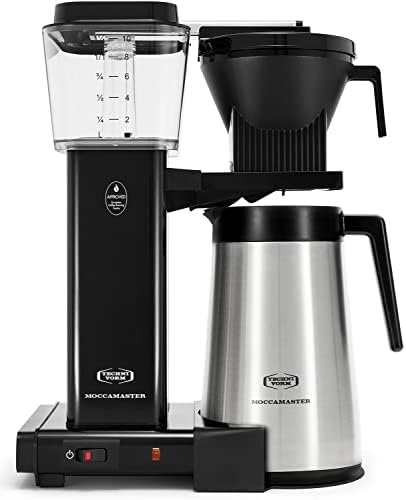
Best Coffee Brewing Machines: What Actually Matters Before You Buy
Best Coffee Machines for Home in 2026: Which Type Is Right for You?

Best Brewing Coffee Makers: Every Type Explained Side by Side

Best Drip Coffee Machines at Every Price: What Your Money Really Gets You

Best Coffee Pot Makers: Our 2026 Checklist and Top 3 Picks