Best Brewing Coffee Makers: Every Type Explained Side by Side
Walk down any appliance aisle and you will find espresso machines, grind and brew units, classic drip makers and cold brew towers, all promising better coffee. The trouble is that they are not really competing with each other. Each type brews in a different way, suits a different routine and costs a different amount to run.
This guide lines up the main types side by side so you can see which one fits before you compare brands. We cover how each works, who it suits, the features that matter most and the questions buyers ask, all with the goal of narrowing the best brewing coffee makers down to the one style that matches how you drink coffee. The comparison table above lists current models and prices.
Compare Products

Ninja Espresso & Coffee Maker, Nespresso Capsule Compatible, Black, CFN601
- EgCoffee Score8.2
EgCoffee Score is a ranking system developed by EgCoffee.com. EgCoffee score has no relationship or impact from any manufacturers or sales agent websites. Learn more
- BrandNinja

Nispira Belgium Royal Family Balance Syphon Unique Gravity Vintage Coffee
- EgCoffee Score8.0
EgCoffee Score is a ranking system developed by EgCoffee.com. EgCoffee score has no relationship or impact from any manufacturers or sales agent websites. Learn more
- BrandNispira

Cuisinart Coffee Center Barista Bar 4-in-1 Coffee Maker, Single-Serve Pods
- EgCoffee Score8.2
EgCoffee Score is a ranking system developed by EgCoffee.com. EgCoffee score has no relationship or impact from any manufacturers or sales agent websites. Learn more
- BrandCuisinart

De'Longhi TrueBrew Drip Coffee Maker, Grinder, 8 to 24 oz,
- EgCoffee Score8.4
EgCoffee Score is a ranking system developed by EgCoffee.com. EgCoffee score has no relationship or impact from any manufacturers or sales agent websites. Learn more
- BrandN/A

OXO Brew 8-Cup Coffee Maker - Single-Serve & Carafe, Thermal
- EgCoffee Score8.0
EgCoffee Score is a ranking system developed by EgCoffee.com. EgCoffee score has no relationship or impact from any manufacturers or sales agent websites. Learn more
- BrandOXO

Gevi 10-Cup Grind & Brew Coffee Maker, Touch Screen, Programmable
- EgCoffee Score8.8
EgCoffee Score is a ranking system developed by EgCoffee.com. EgCoffee score has no relationship or impact from any manufacturers or sales agent websites. Learn more
- BrandGevi

BUNN 55200 CSB3T Speed Brew Platinum Thermal Coffee Maker Stainless
- EgCoffee Score8.6
EgCoffee Score is a ranking system developed by EgCoffee.com. EgCoffee score has no relationship or impact from any manufacturers or sales agent websites. Learn more
- BrandBunn

BUNN HB Heat N Brew Programmable Coffee Maker, 10 cup,
- EgCoffee Score8.4
EgCoffee Score is a ranking system developed by EgCoffee.com. EgCoffee score has no relationship or impact from any manufacturers or sales agent websites. Learn more
- BrandBunn
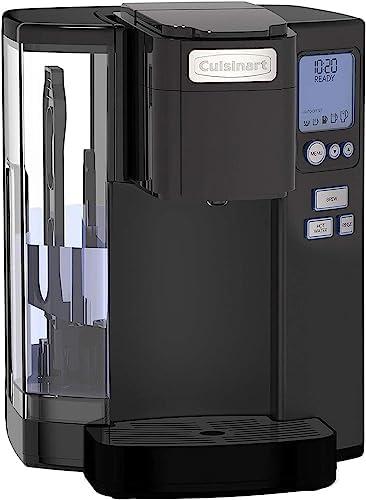
Cuisinart Coffee Maker, Single Serve 72-Ounce Reservoir Coffee Machine, Programmable
- EgCoffee Score8.4
EgCoffee Score is a ranking system developed by EgCoffee.com. EgCoffee score has no relationship or impact from any manufacturers or sales agent websites. Learn more
- BrandCuisinart

BUNN 52700 CSB2G Speed Brew Elite Coffee Maker Gray, 10-Cup,Grey
- EgCoffee Score9.0
EgCoffee Score is a ranking system developed by EgCoffee.com. EgCoffee score has no relationship or impact from any manufacturers or sales agent websites. Learn more
- BrandBunn

BUNN CSB2B Speed Brew Elite 10-Cup Coffee Maker, Black/SST
- EgCoffee Score9.0
EgCoffee Score is a ranking system developed by EgCoffee.com. EgCoffee score has no relationship or impact from any manufacturers or sales agent websites. Learn more
- BrandBunn

Ninja Hot & Iced XL Coffee Maker with Rapid Cold
- EgCoffee Score9.2
EgCoffee Score is a ranking system developed by EgCoffee.com. EgCoffee score has no relationship or impact from any manufacturers or sales agent websites. Learn more
- BrandNinja

Royal Brew Nitro Cold Brew Coffee Maker, 64 oz Home
- EgCoffee Score8.6
EgCoffee Score is a ranking system developed by EgCoffee.com. EgCoffee score has no relationship or impact from any manufacturers or sales agent websites. Learn more
- BrandROYAL BREW EST. 1987

Keurig K-Elite Single Serve K-Cup Pod Coffee Maker, with Strength
- EgCoffee Score9.2
EgCoffee Score is a ranking system developed by EgCoffee.com. EgCoffee score has no relationship or impact from any manufacturers or sales agent websites. Learn more
- BrandKeurig
Last update on 2026-11-11 / Affiliate links / Images, Product Titles, and Product Highlights from Amazon Product Advertising API
Here is a quick overview of the four most common types. Prices are typical ranges for well reviewed home models.
| Type | Best For | Pros | Cons | Typical Price |
|---|---|---|---|---|
| Espresso machine | Lattes, cappuccinos, straight espresso | Café style drinks, milk steaming, strong flavor | Learning curve, more cleaning, higher price | around $130 to $1,000+ |
| Grind and brew machine | Fresh drip coffee by the pot | Fresh grounds every brew, programmable, convenient | Louder, bigger, more parts to clean | around $130 to $300 |
| Drip coffee maker | Families and daily mug drinkers | Simple, affordable, brews many cups | Flavor varies by model, warming plates can scorch | around $25 to $250 |
| Cold brew maker | iced coffee fans and low acid preference | Smooth, less bitter, keeps for days | Takes 12 to 24 hours, needs fridge space | around $20 to $300 |
espresso machines
An espresso machine pushes hot water through finely ground, tightly packed coffee at high pressure, usually around 9 bars at the puck. The result is a small, concentrated shot with crema on top, which becomes the base for lattes, cappuccinos and Americanos. Most home machines include a steam wand or automatic frother for milk.
The upside is café quality drinks at home and real savings if you buy coffee out every day. The downside is effort: semi automatic machines need a good grinder and some practice, and every machine needs regular cleaning of the portafilter and steam wand.
Choose an espresso machine if milk drinks or straight espresso are your daily habit and you are willing to learn a routine. Super automatic models remove most of the work but cost more.
Running costs are modest once you own one, since espresso uses about 14 to 18 grams of coffee per double shot. The bigger ongoing expense is usually milk, filters and descaling supplies.
Grind and Brew Machines
A grind and brew machine combines a burr or blade grinder with a drip coffee maker. You load whole beans and water, and the machine grinds right before brewing, so every pot starts with fresh grounds. Many models are programmable, so you can wake up to coffee ground minutes earlier.
The main benefit is flavor without extra steps, since freshly ground coffee holds more aroma. The tradeoffs are noise, a taller footprint and a grinder chute that needs regular brushing to prevent clogs. Burr grinders give more even results than blade grinders.
Choose a grind and brew machine if you drink regular coffee by the pot, care about freshness and want to skip a separate grinder.
A strength setting is especially useful on this type, because it lets the machine grind more or less coffee for the same amount of water. Some models also let you bypass the grinder for decaf or flavored preground coffee.
Drip coffee makers
Drip coffee makers heat water and shower it over medium ground coffee in a filter basket, letting gravity carry the brew into a carafe. They are the most familiar type in American kitchens and can brew anything from a few cups to a 12 cup pot.
Their strengths are simplicity, affordability and capacity. Well designed models reach the 195 to 205°F range recommended by the Specialty Coffee Association, and machines certified by that group meet strict brewing standards. Weaker models brew too cool and taste flat, and glass carafes on hot plates can turn coffee bitter if it sits.
Choose a drip coffee maker if you need several mugs a day with minimal effort, especially for a family or office.
Within this group, look for a shower head that spreads water across the whole bed of grounds rather than a single stream in the middle. Even saturation is one of the clearest differences between a flat cup and a balanced one.
Cold Brew Makers
Cold brew makers steep coarse grounds in cold or room temperature water for 12 to 24 hours, then filter out the grounds. Slow drip towers drip water through the coffee over several hours instead. Either way, the result is a smooth concentrate that you dilute with water or milk and serve over ice.
Cold brew tastes less bitter and less acidic than hot coffee, and a batch keeps in the fridge for about a week. The catch is planning ahead, since you cannot make it on demand, and it takes up fridge space.
Choose a cold brew maker if you drink iced coffee most of the year or find hot coffee too harsh on your stomach.
Many people keep a cold brew pitcher alongside a hot brewer. Cold brew makers are inexpensive, need no power and simply wait in the fridge, which makes them easy to add to any kitchen without giving up your morning drip or espresso.
These two types attract the same shopper: someone who wants better coffee than a basic drip pot. Comparing them on five points makes the decision easier.
- Drink style. Espresso machines make concentrated shots and milk drinks. Grind and brew machines make regular coffee by the cup or pot.
- Effort. Grind and brew machines are mostly hands off once programmed. Semi automatic espresso machines need dosing, tamping and timing, though super automatics close the gap.
- Volume. Grind and brew machines easily serve a family or guests. Espresso machines make one or two drinks at a time.
- Cost. Good grind and brew machines start around $130. Quality espresso setups with a grinder usually start higher.
- Cleaning. Both need grinder care. Espresso machines add daily steam wand and portafilter cleaning.
If your household drinks several mugs of regular coffee each morning, a grind and brew machine is the better fit. If your daily drink is a latte or espresso, the espresso machine wins, even with the extra effort.
Some households solve the debate by buying a combination machine that brews a pot and pulls espresso shots. That can work well, but check that the espresso side uses a real pump and that both sides are easy to clean before choosing one over two separate machines.
Once you know the type, these factors help you choose between models. They apply across categories, with notes on where each matters most.
Brewing Method and Coffee Style
Start with the drinks you actually make. Drip and grind and brew machines suit people who want regular coffee in volume. Single serve brewers suit solo drinkers and households where everyone wants something different. Espresso machines suit milk drink lovers, while pour over and cold brew reward people who enjoy a slower, more involved ritual.
Hybrid machines that brew a carafe and a single cup, or combine drip with espresso, can cover more than one habit. They cost more and take more space, so buy one only if you will use both sides.
Built In Grinder vs Pre Ground
A built in grinder gives fresher flavor and saves counter space, since you skip a separate appliance. Burr grinders crush beans evenly and allow precise settings, while blade grinders chop unevenly and can produce bitter and sour notes in the same cup.
The downsides are noise, cost and maintenance. Grinders need regular brushing, and if one fails, the whole machine may need repair. If you already own a good burr grinder or prefer preground coffee for convenience, a standard machine is the better value.
Pod Cost and Long Term Value
Pod machines are cheap to buy and expensive to run. The cost per cup for pods is often several times the cost of the same coffee bought as beans or ground. For a daily drinker, that gap can exceed the price of the machine within a year.
Reusable filters cut pod costs on many single serve machines. Bean based machines, drip makers and cold brew systems cost the least per cup over time. Recycling programs exist for some pods, but they add an extra step.
Build Materials (Plastic vs Stainless vs Glass)
Glass carafes let you see how much coffee remains and are easy to clean, but they can break and usually sit on a hot plate. Stainless steel thermal carafes keep coffee hot without a warming plate and survive drops. Glass cold brew pitchers do not absorb odors.
If non toxic materials matter to you, look for BPA free plastic in any part that touches water or coffee, and favor stainless steel or glass where possible. Sturdy hinges and lids are a good sign of overall build quality.
Milk Frothing Options
Steam wands, found on most espresso machines, give the most control and can produce fine microfoam for latte art with practice. Automatic frothers and milk carafes do the work for you, which suits busy mornings. Some drip machines now include a small fold away frother for café style drinks.
Choose based on how often you drink milk coffee and how much effort you want to spend. Whatever you pick, make sure the frother comes apart easily, because dried milk builds up quickly and affects flavor.
Two common situations call for slightly different priorities.
Best Drip Brewing Coffee Makers
The best drip brewing coffee makers reach 195 to 205°F, spread water evenly over the grounds and offer a programmable timer. A thermal carafe is worth it if coffee sits for more than half an hour. Look for models certified by the Specialty Coffee Association if flavor is your top priority, and choose a 10 to 12 cup capacity for families.
Auto pause, a clear water window and a removable filter basket make daily use easier. If you mostly brew for one or two people, a machine with a small batch setting keeps half pots from tasting weak.
Best Home Brewing Coffee Makers: Which Type Works Best
The best home brewing coffee makers depend on household size and drink style. Families who drink regular coffee do best with a drip or grind and brew machine. Solo drinkers often prefer single serve or a compact espresso machine. Iced coffee fans should add a cold brew maker, which costs little and pairs well with any hot brewer.
- Use filtered water. It improves flavor and reduces mineral scale in every type of machine.
- Descale every one to three months. Drip, grind and brew and espresso machines all build up scale, especially with hard water.
- Clean after each use. Rinse the carafe and filter basket, purge the steam wand and brush the grinder chute weekly.
- Match the grind to the method. Fine for espresso, medium for drip, coarse for cold brew and French press.
- Measure your coffee. A ratio of about 1 to 16 coffee to water by weight is a good starting point for drip.
How long does a brewing coffee maker usually last?
A brewing coffee maker usually lasts three to ten years depending on the type and care. Simple drip machines often run five years or more, while espresso machines with metal parts can last a decade. Grind and brew machines may need grinder service sooner. Regular descaling and cleaning extend the life of every type.
How often should I descale my brewing coffee maker?
Descale your brewing coffee maker every one to three months. Hard water and daily use call for monthly descaling, while soft or filtered water allows longer intervals. Signs it is overdue include slower brewing, louder operation and coffee that tastes flat or bitter. Use the maker's recommended descaling solution.
Can I use regular coffee in a brewing coffee maker?
Yes, regular ground coffee works in drip and grind and brew machines set to bypass the grinder. Use a medium grind for drip. Espresso machines need a finer espresso grind, and cold brew makers work best with coarse grounds. Pod machines need compatible pods or a reusable filter for ground coffee.
Is a brewing coffee maker with a built in grinder worth it?
A brewing coffee maker with a built in grinder is worth it if you want fresher coffee without buying a separate grinder. It saves counter space and a step each morning. The tradeoffs are noise, higher cost and extra cleaning. If you already own a burr grinder, a standard machine is better value.
What grind size works best with a brewing coffee maker?
The best grind size depends on the brewing method. Drip machines need a medium grind similar to coarse sand. Espresso machines need a fine grind close to powdered sugar. Cold brew and French press need a coarse grind like sea salt. Using the wrong grind leads to weak or bitter coffee.
Is a more expensive brewing coffee maker really worth it?
A more expensive brewing coffee maker is worth it when it brews at the right temperature, adds a feature you will use daily or lasts longer. Paying more for SCA certification, a thermal carafe or a quality grinder often improves your coffee. Paying extra for screens and apps rarely does.
Three questions point you to the right type: what you drink most, how much effort you want each morning and how many people you brew for. Families who drink regular coffee should start with a drip or grind and brew machine. Latte lovers should look at espresso machines. Iced coffee fans should add a cold brew maker.
For more detail on specific styles, see our guides to the best coffee pot makers, the best fast brewing coffee makers and the best coffee makers for drip brewing.
Once you know the type, choosing among the best brewing coffee makers gets much easier. Check the comparison table above for current models and prices.


Best Coffee Machines with Grinder: Everything to Know Before Your First Purchase
Best K Cup Coffee Machines of 2026: Complete Buying Guide
Best Coffee Machines: Everything to Know Before Your First Purchase

Best Coffee Making Machines by Budget: Smart Picks for 2026
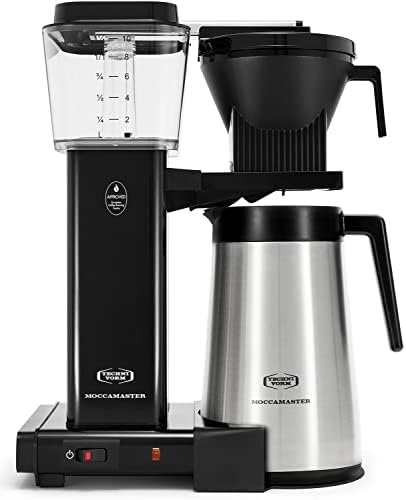
Best Coffee Brewing Machines: What Actually Matters Before You Buy

Best Coffee Machines for Home in 2026: Which Type Is Right for You?

Best Drip Coffee Machines at Every Price: What Your Money Really Gets You

Best Coffee Pot Makers: Our 2026 Checklist and Top 3 Picks