Best Coffee Machines for Home in 2026: Which Type Is Right for You?
Shopping for a home coffee machine used to mean picking a drip maker and a color. Now the choices include pod brewers, pour over setups, stovetop and electric percolators, espresso machines and hybrids that do a little of everything, and each one makes a noticeably different cup.
This guide compares the main types side by side, explains who each one suits and walks through the features that matter once you have chosen a style. The goal is simple: narrow the best coffee machines for home down to the type that fits your mornings before you compare brands. The comparison table above lists current models and prices.
Compare Products

Cafe Bueno Super Automatic Espresso Machine For Home - Coffee
- EgCoffee Score8.2
EgCoffee Score is a ranking system developed by EgCoffee.com. EgCoffee score has no relationship or impact from any manufacturers or sales agent websites. Learn more
- BrandCafe Bueno

Breville Barista Express Espresso Machine BES870XL, Brushed Stainless Steel
- EgCoffee Score8.8
EgCoffee Score is a ranking system developed by EgCoffee.com. EgCoffee score has no relationship or impact from any manufacturers or sales agent websites. Learn more
- BrandBreville

500g Automatic Coffee Roaster Machine for Home Use Wth Smoke
- EgCoffee Score8.6
EgCoffee Score is a ranking system developed by EgCoffee.com. EgCoffee score has no relationship or impact from any manufacturers or sales agent websites. Learn more
- BrandNIASIA

Breville BES500BSS Bambino Plus Espresso Machine, Brushed Stainless Steel
- EgCoffee Score8.2
EgCoffee Score is a ranking system developed by EgCoffee.com. EgCoffee score has no relationship or impact from any manufacturers or sales agent websites. Learn more
- BrandBreville
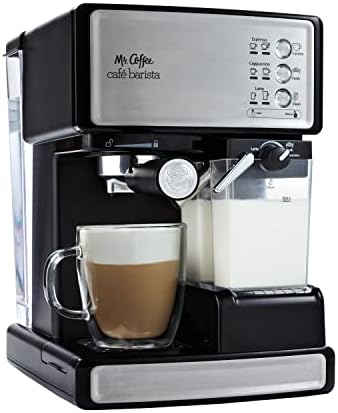
- EgCoffee Score8.6
EgCoffee Score is a ranking system developed by EgCoffee.com. EgCoffee score has no relationship or impact from any manufacturers or sales agent websites. Learn more
- BrandMr. Coffee

DYVEE Coffee Roaster Gas Burner Coffee Roasting Machine for Home
- EgCoffee Score8.6
EgCoffee Score is a ranking system developed by EgCoffee.com. EgCoffee score has no relationship or impact from any manufacturers or sales agent websites. Learn more
- BrandDYVEE

20 Bar Compact Espresso Coffee Machines with Milk Frother for
- EgCoffee Score9.2
EgCoffee Score is a ranking system developed by EgCoffee.com. EgCoffee score has no relationship or impact from any manufacturers or sales agent websites. Learn more
- BrandBYESHOP

Gevi Commercial Espresso and Coffee Makers, Professional 20 Bar Espresso
- EgCoffee Score8.6
EgCoffee Score is a ranking system developed by EgCoffee.com. EgCoffee score has no relationship or impact from any manufacturers or sales agent websites. Learn more
- BrandGevi

Espresso Machine 20 Bar, Compact Espresso Coffee Machine with Milk
- EgCoffee Score9.0
EgCoffee Score is a ranking system developed by EgCoffee.com. EgCoffee score has no relationship or impact from any manufacturers or sales agent websites. Learn more
- BrandAERCANA

- EgCoffee Score8.4
EgCoffee Score is a ranking system developed by EgCoffee.com. EgCoffee score has no relationship or impact from any manufacturers or sales agent websites. Learn more
- BrandN/A

- EgCoffee Score8.2
EgCoffee Score is a ranking system developed by EgCoffee.com. EgCoffee score has no relationship or impact from any manufacturers or sales agent websites. Learn more
- BrandAIKAMI

JIAWANSHUN Electric Coffee Bean Roaster Machine for Home Use,1.1lb Capacity
- EgCoffee Score8.2
EgCoffee Score is a ranking system developed by EgCoffee.com. EgCoffee score has no relationship or impact from any manufacturers or sales agent websites. Learn more
- BrandJIAWANSHUN

DYVEE Coffee Bean Cooler Electric Roasting Cooling Machine
- EgCoffee Score9.2
EgCoffee Score is a ranking system developed by EgCoffee.com. EgCoffee score has no relationship or impact from any manufacturers or sales agent websites. Learn more
- BrandKAKACOO
Last update on 2026-11-11 / Affiliate links / Images, Product Titles, and Product Highlights from Amazon Product Advertising API
Here is how the most popular home coffee machine styles stack up at a glance. Prices are typical ranges for well reviewed home models.
| Type | Best For | Pros | Cons | Typical Price |
|---|---|---|---|---|
| Single serve pod machine | Solo drinkers, mixed households, busy mornings | Fast, consistent, almost no cleanup | High cost per cup, less flavor control, pod waste | around $60 to $250 |
| Pour over brewer | Flavor focused drinkers, light roast fans | Clean, bright flavor, full control, low cost | Manual, takes a few minutes, needs a kettle | around $15 to $60 (manual), $150+ (automatic) |
| Percolator | Bold coffee lovers, camping, large batches | Strong, hot coffee, durable, no filters needed on many | Can taste bitter if overbrewed, less precise | around $25 to $120 |
| Drip coffee maker | Families and daily mug drinkers | Simple, affordable, brews many cups | Flavor varies, warming plates can scorch | around $25 to $250 |
| Espresso machine | Latte and cappuccino drinkers | Café style drinks, milk steaming | Learning curve, more cleaning, higher price | around $130 to $1,000+ |
Single Serve Pod Machines
Single serve pod machines pierce a sealed capsule, push hot water through it and brew one cup in about a minute. Most accept a wide range of pods, and many also take a reusable filter for your own ground coffee. They are the most convenient way to make one cup with almost no cleanup.
The strengths are speed, consistency and variety, since each person can choose a different flavor or strength. The drawbacks are cost and control. Pods cost much more per cup than beans or ground coffee, and the coffee tends to be lighter bodied than a carefully brewed pot. Used pods also add to household waste unless you recycle them.
Choose a pod machine if you live alone, if people in your home drink coffee at different times, or if convenience matters more to you than squeezing out the best flavor from each bean.
If you go this route, look for a machine with at least three cup sizes, a large removable reservoir and a strong brew option. A model that accepts a reusable filter gives you a cheaper way to brew on days when you want your own coffee.
Pour Over Brewers
Pour over brewing means pouring hot water slowly over ground coffee in a cone shaped filter, letting it drip into a cup or carafe. Manual drippers are inexpensive and simple, while automatic pour over machines imitate the technique with a precise showerhead and controlled water flow.
The appeal is flavor. Pour over coffee tastes clean and bright, which is why fans of light roasts and single origin beans love it. You control water temperature, pour speed and ratio, so you can fine tune every cup. The downsides are time and attention: a manual pour over takes several minutes, needs a gooseneck kettle for best results and is less practical for a crowd.
Choose pour over if you enjoy the ritual of making coffee and want the most expressive flavor from good beans. Choose an automatic pour over machine if you want similar flavor with less effort.
A basic manual setup is easy to build: a cone dripper, paper filters, a kettle and a small scale. Most people find the routine takes only a few mornings to learn, and the same tools work for iced pour over by brewing directly over ice.
Percolators
A percolator heats water in a lower chamber and pushes it up a tube, where it showers over coffee grounds in a basket and cycles back down. Stovetop models work on a burner or campfire, while electric percolators plug in and often brew a large batch automatically.
Percolators make strong, very hot coffee and are known for durability, especially stainless steel models. Many need no paper filters, and large electric versions handle big gatherings well. The tradeoff is precision. Because the coffee cycles through the grounds repeatedly, it can turn bitter if brewed too long or at too high a heat.
Choose a percolator if you like bold coffee, brew for groups or want something rugged for camping and power outages. Skip it if you prefer smooth, delicate flavors.
To keep percolator coffee from turning bitter, use coarse grounds, keep the heat at a gentle bubble and stop brewing after about seven to ten minutes. Electric models with automatic shutoff make this easier because they handle timing for you.
These two styles sit at opposite ends of the convenience scale, which makes them a common decision point for people upgrading from a basic drip pot.
- Speed. A pod machine brews in about a minute with one button. A manual pour over takes three to five minutes of attention.
- Flavor. Pour over gives clearer, more complex coffee and lets you choose any bean. Pod coffee is consistent but lighter and more limited.
- Cost per cup. Pour over uses ordinary ground coffee or beans and costs much less per cup. Pods cost several times more.
- Cleanup. Pod machines are nearly mess free. Pour over needs you to discard a filter and rinse the dripper.
- Waste. Pour over produces compostable grounds and paper filters. Pods produce plastic or aluminum waste unless recycled.
If your mornings are rushed and everyone wants something different, a pod machine wins. If you value flavor and enjoy a few quiet minutes making coffee, pour over is the better choice, and it costs far less to run.
Some people keep both: a pod machine for weekday speed and a pour over dripper for slow weekend mornings. Because a manual dripper costs so little, adding one is an easy way to see whether you enjoy the process before buying an automatic pour over machine.
Once you have picked a type, these features help you choose between models within it. Not every feature applies to every style, so focus on the ones that match your choice.
Milk Frothing Options
If you drink lattes or cappuccinos, milk frothing matters as much as brewing. espresso machines usually include a steam wand, which gives the most control and can make fine microfoam with practice. Automatic frothers and milk carafes on some pod and drip machines do the work for you.
A separate electric frother is a good option for pour over, percolator and drip owners who want occasional milk drinks. Whatever you choose, make sure the frother comes apart for cleaning, since dried milk builds up quickly and affects taste.
Programmable Features and Controls
A delay timer is the most useful programmable feature on drip and some automatic pour over machines, letting you wake up to coffee. Brew strength settings, adjustable cup sizes and auto shutoff are also worth having. Pod machines benefit from multiple cup sizes and a strong brew button.
Smart features such as app control and large touch screens are convenient but rarely improve flavor. Clear, simple controls that you can use half awake usually matter more than a long list of settings.
Build Materials (Plastic vs Stainless vs Glass)
Stainless steel bodies and carafes resist dents and keep heat well, which is why many percolators and thermal drip machines use it. Glass carafes and pour over drippers do not absorb flavors and let you see the coffee, but they can break. Ceramic drippers hold heat nicely for pour over.
If non toxic materials matter to you, look for BPA free plastic in any part that touches water, and favor stainless steel, glass or ceramic where you can. Sturdy lids and hinges are a good sign of overall quality.
Brewing Method and Coffee Style
Match the method to the coffee you enjoy. Drip and percolators make full pots for several people. Single serve machines suit solo drinkers. Espresso machines make the base for milk drinks. Pour over highlights flavor, and cold brew makes smooth iced coffee with low bitterness.
Many households end up with two methods, such as a drip machine for weekdays and a pour over dripper for weekends. That combination costs little and covers both convenience and flavor.
Pod Cost and Long Term Value
The cheapest machine to buy is not always the cheapest to own. Pod machines have low prices but high running costs, while pour over drippers and percolators cost little up front and little per cup. Drip machines fall in between.
To compare, estimate how many cups you drink per week and multiply by the cost per cup for each method. A reusable pod filter can cut costs on a pod machine. Over a year or two, the method with the lowest cost per cup usually wins, even if it costs more at the start.
Do not forget accessories. Pour over needs a kettle and filters, espresso machines often need a grinder and milk pitcher, and percolators may need replacement baskets over time. Adding these to the price gives a fairer comparison between types.
Run a cycle of plain water through any new electric machine before brewing coffee. Use filtered water to protect flavor and reduce scale, and descale drip, pod and electric percolator machines every one to three months depending on water hardness. Rinse pour over drippers and percolator baskets after each use, clean carafes daily and wipe any steam wand immediately after frothing.
For pod machines, clean the needle that pierces the pods every few weeks to prevent clogs. For percolators, avoid harsh scouring on aluminum models and dry the parts fully to prevent spots.
How often should I descale my coffee machine?
Descale your coffee machine every one to three months. Use monthly descaling with hard water or daily heavy use, and stretch to three months with soft or filtered water. Slow brewing, louder operation and flat tasting coffee are signs that mineral scale has built up. Use the descaling solution or method your manual recommends, then run two or three cycles of plain water to rinse the machine.
How long does a coffee machine usually last?
A coffee machine usually lasts three to ten years depending on the type. Simple drip machines often run around five years, pod machines three to five, and well built espresso machines and stainless percolators can last a decade or more. Regular cleaning and descaling are the biggest factors in how long any machine keeps working well.
Is a more expensive coffee machine really worth it?
A more expensive coffee machine is worth it when the extra money buys better brewing temperature, a feature you use daily or a longer life. Machines that reach 195 to 205°F, keep coffee hot in a thermal carafe or include a good grinder often justify their price. Paying more for screens, apps and extra modes usually does not improve your coffee.
Can I use regular coffee in a coffee machine?
Yes, regular ground coffee works in drip machines, percolators and pour over brewers. Use a medium grind for drip, medium coarse for pour over and coarse for percolators. Pod machines need compatible pods or a reusable filter for ground coffee, and espresso machines need a fine espresso grind to work properly.
What grind size works best with a coffee machine?
The best grind size depends on the machine. Drip machines need medium, like coarse sand. Pour over works best with medium coarse. Percolators and French presses need coarse grounds, while espresso machines need fine grounds close to powdered sugar. The wrong grind leads to weak or bitter coffee, so match the grind to the method.
Is a coffee machine with a built in grinder worth it?
A coffee machine with a built in grinder is worth it if you want fresh flavor without buying a separate grinder. Grinding right before brewing keeps more aroma in the cup and saves counter space. The tradeoffs are noise, cost and cleaning. If you already own a good burr grinder, a standard machine is the better value.
Three questions point to the right type: how many cups you brew at once, how much time you want to spend each morning and whether flavor or convenience matters more. Pod machines suit busy solo drinkers. Pour over suits people who love flavor and the ritual. Percolators suit bold coffee fans and big batches, while drip and espresso machines fill the middle and the latte crowd.
For deeper dives, see our guides to the best home espresso coffee machines, the best coffee machines for home with grinder and the best coffee pod machines for home.
Once you know the style, choosing among the best coffee machines for home gets much easier. Check the comparison table above for current models and prices.


Best Coffee Machines with Grinder: Everything to Know Before Your First Purchase

Best K Cup Coffee Machines of 2026: Complete Buying Guide
Best Coffee Machines: Everything to Know Before Your First Purchase

Best Coffee Making Machines by Budget: Smart Picks for 2026
Best Coffee Brewing Machines: What Actually Matters Before You Buy

Best Brewing Coffee Makers: Every Type Explained Side by Side

Best Drip Coffee Machines at Every Price: What Your Money Really Gets You

Best Coffee Pot Makers: Our 2026 Checklist and Top 3 Picks