Best Coffee Brewing Machines: What Actually Matters Before You Buy
Two coffee machines can look almost identical on a shelf and brew completely different coffee. One reaches the right temperature and spreads water evenly; the other brews lukewarm, uneven coffee that no premium bean can rescue. The difference rarely shows up in the product photos.
That is why this guide works from a checklist instead of a list of favorites. Below are the seven criteria we use to judge the best coffee brewing machines, with clear thresholds for what passes and what fails, followed by three machines that clear every one. The comparison table above shows current options and prices if you want to compare as you read.
Compare Products
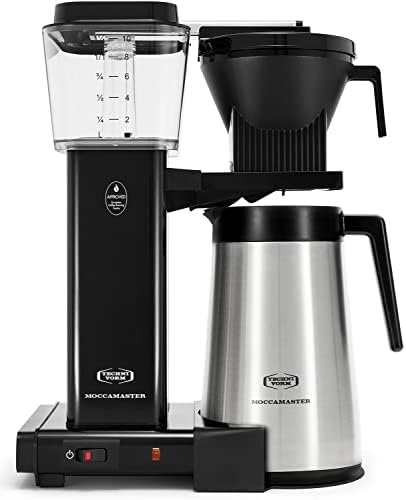
Technivorm Moccamaster 79314 KBGT thermal Carafe 10-Cup Coffee Maker 40
- EgCoffee Score8.4
EgCoffee Score is a ranking system developed by EgCoffee.com. EgCoffee score has no relationship or impact from any manufacturers or sales agent websites. Learn more
- BrandTechnivorm Moccamaster

Mr. Coffee 10-Cup Programmable Coffee Maker, Insulated Thermal Carafe, Brew
- EgCoffee Score8.2
EgCoffee Score is a ranking system developed by EgCoffee.com. EgCoffee score has no relationship or impact from any manufacturers or sales agent websites. Learn more
- BrandMr. Coffee

BUNN 55200 CSB3T Speed Brew Platinum Thermal Coffee Maker Stainless
- EgCoffee Score8.8
EgCoffee Score is a ranking system developed by EgCoffee.com. EgCoffee score has no relationship or impact from any manufacturers or sales agent websites. Learn more
- BrandBunn
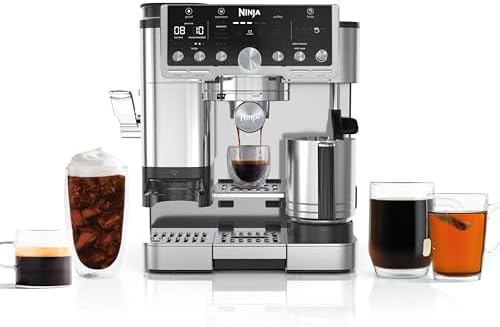
Ninja Luxe Café Pro Series, Espresso, Cold Brew, Hot Water,
- EgCoffee Score8.6
EgCoffee Score is a ranking system developed by EgCoffee.com. EgCoffee score has no relationship or impact from any manufacturers or sales agent websites. Learn more
- BrandNinja

Chefman Crema Deluxe Espresso Machine with Double Boiler, Use Milk
- EgCoffee Score8.2
EgCoffee Score is a ranking system developed by EgCoffee.com. EgCoffee score has no relationship or impact from any manufacturers or sales agent websites. Learn more
- BrandChefman

Cuisinart Coffee Maker, Single Serve 72-Ounce Reservoir Coffee Machine, Programmable
- EgCoffee Score8.4
EgCoffee Score is a ranking system developed by EgCoffee.com. EgCoffee score has no relationship or impact from any manufacturers or sales agent websites. Learn more
- BrandCuisinart

Drip Coffee Maker with Built In Grinder, 10-Cup Grind and
- EgCoffee Score9.0
EgCoffee Score is a ranking system developed by EgCoffee.com. EgCoffee score has no relationship or impact from any manufacturers or sales agent websites. Learn more
- BrandHavato

Cuisinart 12-Cup Coffee Maker with Thermal Coffee Carafe, Stainless Steel,
- EgCoffee Score8.0
EgCoffee Score is a ranking system developed by EgCoffee.com. EgCoffee score has no relationship or impact from any manufacturers or sales agent websites. Learn more
- BrandCuisinart

Cuisinart Automatic Grind & Brew 12-Cup Coffee Maker with Blade
- EgCoffee Score8.0
EgCoffee Score is a ranking system developed by EgCoffee.com. EgCoffee score has no relationship or impact from any manufacturers or sales agent websites. Learn more
- BrandCuisinart

- EgCoffee Score8.6
EgCoffee Score is a ranking system developed by EgCoffee.com. EgCoffee score has no relationship or impact from any manufacturers or sales agent websites. Learn more
- BrandKeurig

Coffee Maker Hot & Iced With Bold Setting,Single Serve Coffee
- EgCoffee Score8.0
EgCoffee Score is a ranking system developed by EgCoffee.com. EgCoffee score has no relationship or impact from any manufacturers or sales agent websites. Learn more
- BrandTWOMEOW
Last update on 2026-11-11 / Affiliate links / Images, Product Titles, and Product Highlights from Amazon Product Advertising API
Each criterion below is scored from manufacturer specifications, listing details and patterns in buyer feedback. We weigh them by how often they decide whether owners love a machine or replace it within a year.
Brewing Method and Coffee Style
The method must match the drinker. Drip machines suit people who drink several mugs of regular coffee. Single serve brewers suit solo drinkers or households with different tastes. espresso machines are for milk drinks and concentrated shots, while pour over and cold brew systems reward people who want flavor control or smooth iced coffee.
A machine passes when its method fits the household it is meant for and it brews that style well. It fails when it promises several styles but does none of them convincingly.
Build Materials (Plastic vs Stainless vs Glass)
Durable machines use stainless steel where it matters: the carafe, the heating element housing and any hot water tank. Glass carafes are fine if they are thick and have a secure lid. BPA free plastic is the minimum standard for parts that touch water.
A pass means sturdy hinges, a carafe that pours without dribbling and parts that survive daily use. A fail means thin lids that crack, wobbly baskets and plastic that warps near the heater.
Pod Cost and Long Term Value
We look at the cost per cup, not just the price tag. Bean and ground coffee machines cost the least to run. Pod machines can cost several times more per cup, which adds up quickly for daily drinkers. Reusable filters help.
A machine passes when its running costs are reasonable for its intended user and replacement parts are available. It fails when it locks you into expensive consumables or has no spare carafe or filter options.
Programmable Features and Controls
The essential programmable feature is a delay timer. After that, a brew strength setting, a small batch mode and an adjustable auto shutoff are the most valuable. Clear buttons and a readable display matter more than app control.
A pass means you can set the machine for the morning without reading the manual twice. A fail means confusing icons, timers that reset after a power flicker or beeps that cannot be silenced.
Capacity and Serving Size
Capacity should match daily use. A 4 to 5 cup machine suits one or two people, while 10 to 12 cups fits families and offices. Remember that a "cup" on most machines is 5 to 6 ounces, so a 10 cup pot fills about five large mugs.
A pass means the capacity fits the target household and small batches taste as good as full pots. A fail means weak half pots or a carafe that overflows when brewing at full strength.
Milk Frothing Options
Frothing only matters if you drink milk coffee. Steam wands offer the most control, automatic frothers offer the most convenience and fold away whisks on drip machines offer a simple middle ground.
A machine with a frother passes if it handles dairy and plant milks and comes apart for cleaning. Machines without a frother are not penalized unless they are marketed for lattes.
Brew Temperature and Extraction
This is the criterion that separates good coffee from flat coffee. The Specialty Coffee Association recommends 195 to 205°F for brewing, and the water should reach the grounds evenly through a wide showerhead. Espresso machines should deliver roughly 9 bars at the puck.
A pass means the maker states its brewing temperature or holds a certification that requires it, and owners describe the coffee as hot and full bodied. A fail means repeated complaints about lukewarm or sour coffee.
These three machines met every criterion for the households they are designed for. All are in the comparison table above.
Best Overall
The Technivorm Moccamaster KBGT is the machine for people who want café quality drip coffee every morning and are willing to pay for it once. It usually sells for around $360 and brews 10 cups (40 ounces) into a thermal carafe.
Its first strength is brewing performance: Moccamaster machines are built around hitting proper brewing temperature quickly and showering the grounds evenly, which is why the brand is a long standing favorite among specialty coffee drinkers. Its second strength is simplicity and durability, with straightforward switches instead of menus and a stainless steel thermal carafe that keeps coffee hot without a warming plate.
The limitation is price and features. There is no programmable timer, and the cost is several times that of a basic drip machine. Skip it if you want to wake up to coffee brewed automatically.
Who should buy it: coffee lovers who brew a pot every morning, care about flavor above features and want a machine that will last for many years rather than a few.
Best Value
The Mr. Coffee 10 Cup Programmable Thermal coffee maker suits households that want hot, fresh coffee for hours without paying premium prices. It typically costs around $90.
Its first strength is brewing heat: Mr. Coffee says its Optimal Brew system brews at up to 205°F, and a Strong Brew selector makes a bolder pot when you want it. Its second strength is everyday convenience, including a double walled stainless steel thermal carafe, a Brew Later timer, a Grab A Cup auto pause and a freshness timer that shows how long ago the coffee was brewed.
The limitation is that thermal carafes on budget machines can be slower to pour and harder to clean inside than glass. Skip it if you prefer to see how much coffee is left at a glance.
Best for Heavy Use
The BUNN CSB3T Speed Brew Platinum Thermal coffee maker is built for homes and small offices that brew pot after pot. It usually sells for around $177.
Its first strength is speed. An internal commercial grade stainless steel tank keeps about 70 ounces of water hot, so it brews a 20 ounce travel mug in roughly two minutes or a full 50 ounce carafe in about four. Its second strength is café style extraction from a multi stream sprayhead, paired with a vacuum insulated thermal carafe that holds serving temperature for more than two hours.
The limitation is that the tank stays hot all the time, which uses more energy than machines that heat on demand, and it works best with taller BUNN filters. Skip it if you brew only once in a while.
Who should buy it: busy households, home offices and anyone who refills the carafe several times a day and hates waiting for a pot to finish.
- Does the brewing method match how your household drinks coffee?
- Does the machine reach 195 to 205°F, or do owners describe the coffee as hot and full bodied?
- Is the capacity right for your daily use, with good results on small batches?
- Does it have the programmable features you will actually use, such as a delay timer?
- Will coffee stay hot without burning, ideally in a thermal carafe?
- Are the carafe, basket and reservoir easy to remove and clean?
- Are replacement carafes and filters easy to buy?
- Does it fit under your cabinets with room to open the lid?
- Missing temperature information. Machines that never mention brewing temperature often run cool.
- No recognized safety mark. An appliance that heats water daily should carry a known electrical certification.
- Odd review patterns. Clusters of short, similar praise posted within days can signal unreliable feedback.
- Short warranty. Coverage of 30 to 90 days suggests the maker does not expect the machine to last.
- No spare parts. If a broken carafe means replacing the whole machine, the low price is a trap.
Use filtered water to protect flavor and reduce scale. Descale every one to three months depending on water hardness. Clean the carafe, basket and any steam wand after each use, and preheat a thermal carafe with hot water before brewing so the coffee stays hot longer.
Can I use regular coffee in a coffee brewing machine?
Yes, regular ground coffee works in drip and thermal coffee brewing machines. Choose a medium grind labeled for drip or automatic brewers. Espresso machines need a finer espresso grind, and pod machines need compatible pods or a reusable filter for ground coffee. For the best flavor, buy smaller bags you can finish within a few weeks, or grind whole beans just before brewing.
How often should I descale my coffee brewing machine?
Descale your coffee brewing machine every one to three months. Hard water and heavy use call for monthly descaling, while soft or filtered water allows longer gaps. Slower brewing and flat tasting coffee are signs it is overdue. Follow the maker's instructions for the descaling solution, then run two or three cycles of plain water to rinse away any leftover taste.
Is a more expensive coffee brewing machine really worth it?
A more expensive coffee brewing machine is worth it when it brews at the right temperature, keeps coffee hot without scorching and lasts longer. Those improvements change the coffee you drink every day. Extra money spent on screens or app control rarely does. As a rule of thumb, the jump from a budget machine to a solid midrange model brings the biggest change in the cup; beyond that, you mostly pay for convenience and design.
What grind size works best with a coffee brewing machine?
A medium grind works best with most coffee brewing machines, similar in texture to coarse sand. Cone filters prefer slightly finer grounds and flat bottom baskets slightly coarser. Espresso needs fine grounds, while cold brew needs coarse ones. If your coffee tastes bitter, try a slightly coarser grind; if it tastes weak or sour, go a little finer.
How long does a coffee brewing machine usually last?
A coffee brewing machine usually lasts three to five years, and well built models often last much longer. Regular descaling and cleaning extend its life. Carafes and filters usually need replacing before the heating element fails. Machines with simple controls and fewer electronic parts tend to last longest, and a longer warranty is a good sign of the maker's confidence.
Brewing temperature, a way to keep coffee hot without burning it and a capacity that fits your mornings are the three criteria that matter most. A machine that passes those will make better coffee than one loaded with features but weak on the basics.
Choose the Moccamaster for the best drip coffee, the Mr. Coffee thermal model for strong value and the BUNN Speed Brew for constant, fast brewing. You can also compare the best drip coffee machines, the best espresso coffee machines and the best coffee machines with grinder.
The best coffee brewing machines are the ones that pass your own short list. Check the comparison table above for current prices.


Best Coffee Machines with Grinder: Everything to Know Before Your First Purchase

Best K Cup Coffee Machines of 2026: Complete Buying Guide
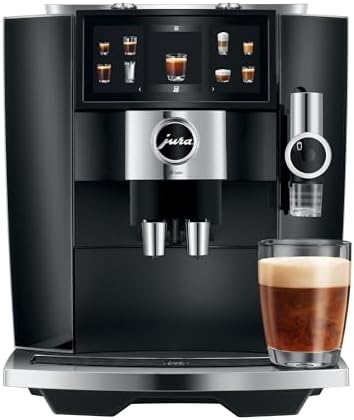
Best Coffee Machines: Everything to Know Before Your First Purchase

Best Coffee Making Machines by Budget: Smart Picks for 2026

Best Coffee Machines for Home in 2026: Which Type Is Right for You?

Best Brewing Coffee Makers: Every Type Explained Side by Side

Best Drip Coffee Machines at Every Price: What Your Money Really Gets You

Best Coffee Pot Makers: Our 2026 Checklist and Top 3 Picks