Master Pour Over Coffee: 5 Champion Barista Recipes You Can Brew at Home
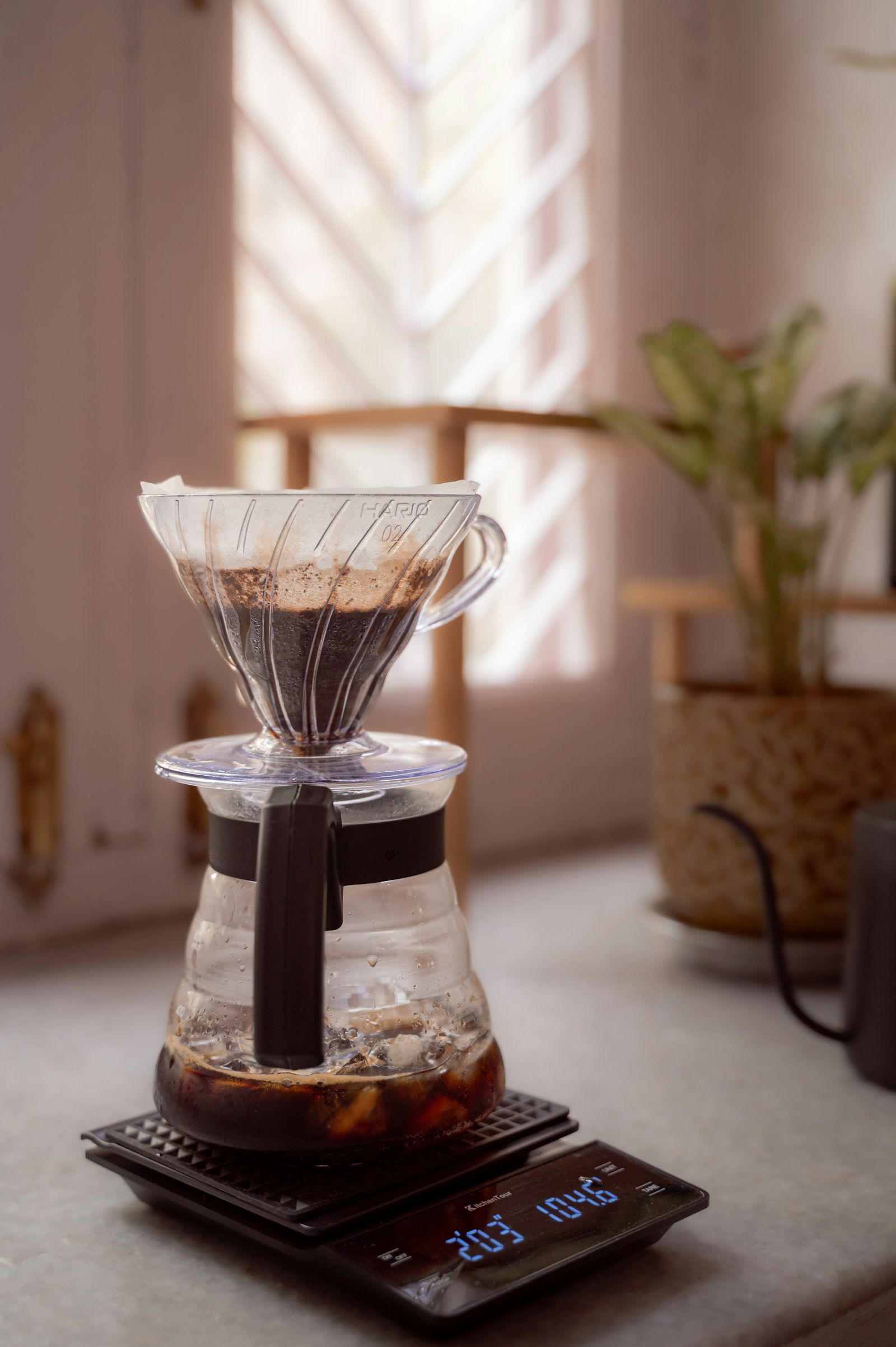
Every top level brewing competitor has their own pour over recipe, refined through hundreds of practice cups before they ever step on a competition stage. The good news for home brewers is that these champion recipes are public, published in interviews, breakdown videos, and coffee forums after the competitions wrap up. You don't have to guess at ratios or grind sizes the way home brewers did a decade ago.
Below are five recipes, each associated with a different world class brewer, each producing a noticeably different cup from the same basic V60 style setup. Try more than one and you'll start to understand how much a recipe actually shapes the final flavor, independent of the beans themselves.
What You Need Before You Start
All five recipes below assume a similar basic kit, so it's worth gathering the essentials first.
- A pour over dripper (V60 is most common, though a couple of these recipes use Kalita Wave or Origami instead)
- Matching paper filters
- A digital scale that can also function as a timer
- A gooseneck kettle for controlled pouring
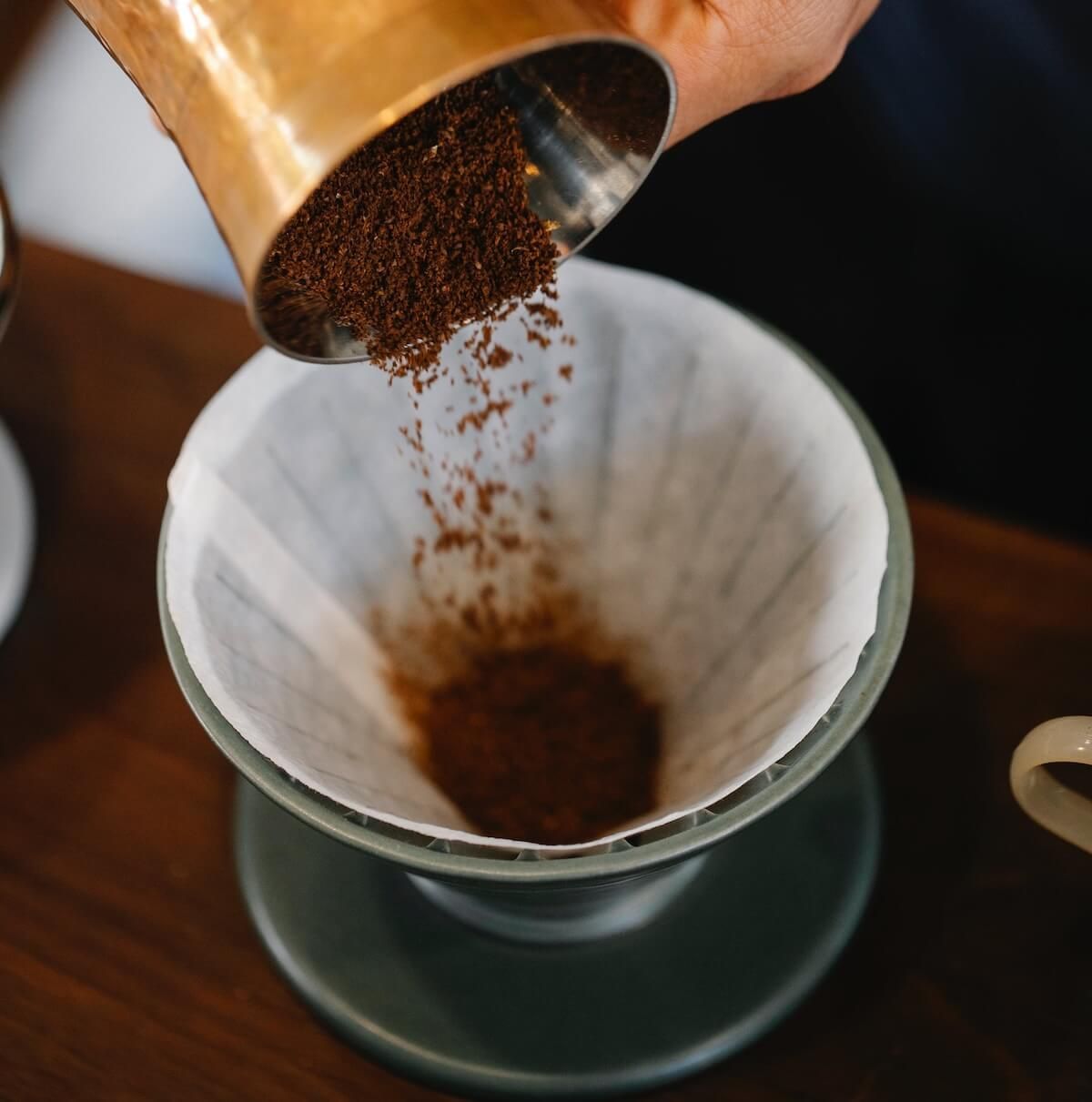
- A burr grinder, ideally one with repeatable, numbered settings
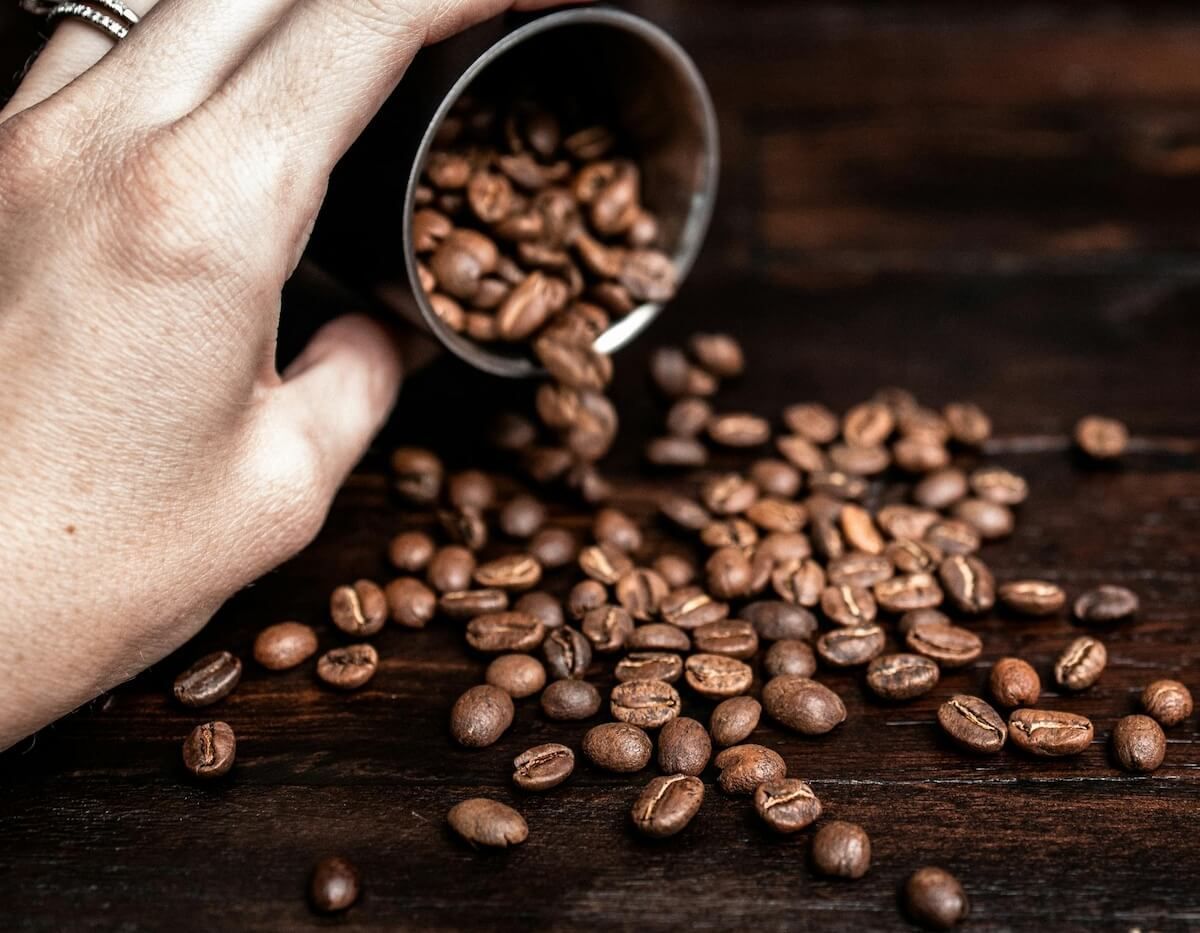
- Light roasted, high quality beans, since every recipe here was designed around lighter roasts that show off acidity and origin character
Grind settings mentioned in each recipe are calibrated to specific grinder models. If you're using different equipment, treat the described grind (medium coarse, fine, and so on) as your real guide, and dial in from there by taste.
This method comes from Matt Winton, the 2021 Brewers Cup Champion, and it's built around a series of small, deliberate pours rather than two or three large ones.
- Ratio: 20 grams of coffee to 300 grams of water (roughly 1 to 15)
- Water temperature: 93°C for the first pour, then dropped to about 88°C for the remaining pours
- Grind: medium coarse
- Total time: around 3 minutes and 30 seconds, spread across six separate pours
The lower temperature on later pours reduces the risk of over extracting delicate, floral notes, which is exactly what this recipe is optimized for. If you're brewing a naturally floral or tea like coffee, this is a great place to start.
Scott Rao is less a competitor and more an influential author and consultant in the coffee world, and his Kalita Wave recipe has become a default reference point for a lot of specialty cafes.
- Ratio: 20 grams of coffee to 340 grams of water (roughly 1 to 17)
- Water temperature: just off the boil, since Rao considers exact temperature less critical than grind and agitation
- Grind: on the finer side, notably finer than 28 clicks on a Comandante C40 grinder
- Total time: about 5 minutes across three main pours
This recipe favors thick body and rich, syrupy texture over pure sweetness or brightness. It's a good choice if you tend to find pour over coffee too thin or watery compared to drip machines.
Carlos Medina, the 2023 World Brewers Cup Champion, built his winning recipe around the Origami dripper, which uses a fan style ribbed design rather than the spiral ribs found in a V60.
- Ratio: 15.5 grams of coffee to 250 grams of water (roughly 1 to 16)
- Water temperature: 91°C
- Total time: 2 minutes and 30 seconds across five pours
What makes this recipe interesting is how much the cup changes as it cools. Medina described the coffee showing tropical fruit character while hot, then shifting toward a dark chocolate finish as it approaches room temperature, a reminder that a single cup can offer more than one experience if you slow down and taste it over time.
Shih Yuan Hsu, the 2022 World Brewers Cup Champion, used a technique that's genuinely unusual compared to the other recipes here: two completely different water temperatures within the same brew.
- Ratio: 14 grams of coffee to 200 grams of water (roughly 1 to 14, a notably stronger ratio than the others)
- Water temperature: 70°C for the initial bloom, then 95°C for the main extraction pours
- Total time: around 2 minutes
The cooler bloom is meant to gently wake up the grounds without over extracting delicate compounds early, while the much hotter extraction phase pulls out sweetness and body efficiently in a short window. The result, according to Hsu, is bright acidity balanced against real sweetness and a smooth, rounded body.
Morgan Eckroth, the 2022 US Barista Champion, takes a more traditional approach that's especially friendly for beginners, using a coarser grind and fewer variables to manage.
- Ratio: 15 grams of coffee to 250 grams of water (roughly 1 to 16)
- Water temperature: 96°C, close to a full boil
- Grind: coarse, often described as roughly the texture of sea salt
- Total time: 3 to 3 minutes and 30 seconds across three pours
Because the grind is coarser and the process simpler, this recipe is more forgiving of small technique errors, which makes it a solid choice if you're brewing pour over for the first few times.
With five solid options, picking where to start can feel overwhelming. A few simple guidelines help narrow it down.
- If you're new to pour over brewing, start with Morgan Eckroth's recipe. The coarser grind and simple three pour structure leave less room for mistakes.
- If your coffee tends to taste thin, try Scott Rao's Kalita Wave method for a thicker, richer cup.
- If you want to explore how a cup changes as it cools, Carlos Medina's Origami recipe is worth the extra attention.
- If you enjoy experimenting with technique and don't mind a slightly more advanced process, Shih Yuan Hsu's dual temperature method is a fascinating one to try.
- If you're brewing a delicate, floral coffee and want to protect those notes, Matt Winton's five pour method is built exactly for that.
It also helps to brew the exact same coffee through two or three of these recipes back to back. Because the bean stays constant, any flavor difference you taste comes entirely from the recipe itself, which is one of the fastest ways to build real intuition about how ratio, temperature, and pour structure each affect the final cup.
Regardless of which recipe you try first, a handful of fundamentals will make every one of them work better.
- Always rinse your paper filter with hot water before adding grounds. This removes papery taste and preheats your dripper and cup.
- Use a scale for both coffee and water. Eyeballing measurements introduces more variation than almost any other factor in your control.
- Grind fresh, right before brewing, rather than using pre ground coffee that's been sitting for days.
- Keep notes. Write down the recipe, the bean, and how it tasted, so you can compare results across brewing sessions instead of relying on memory.
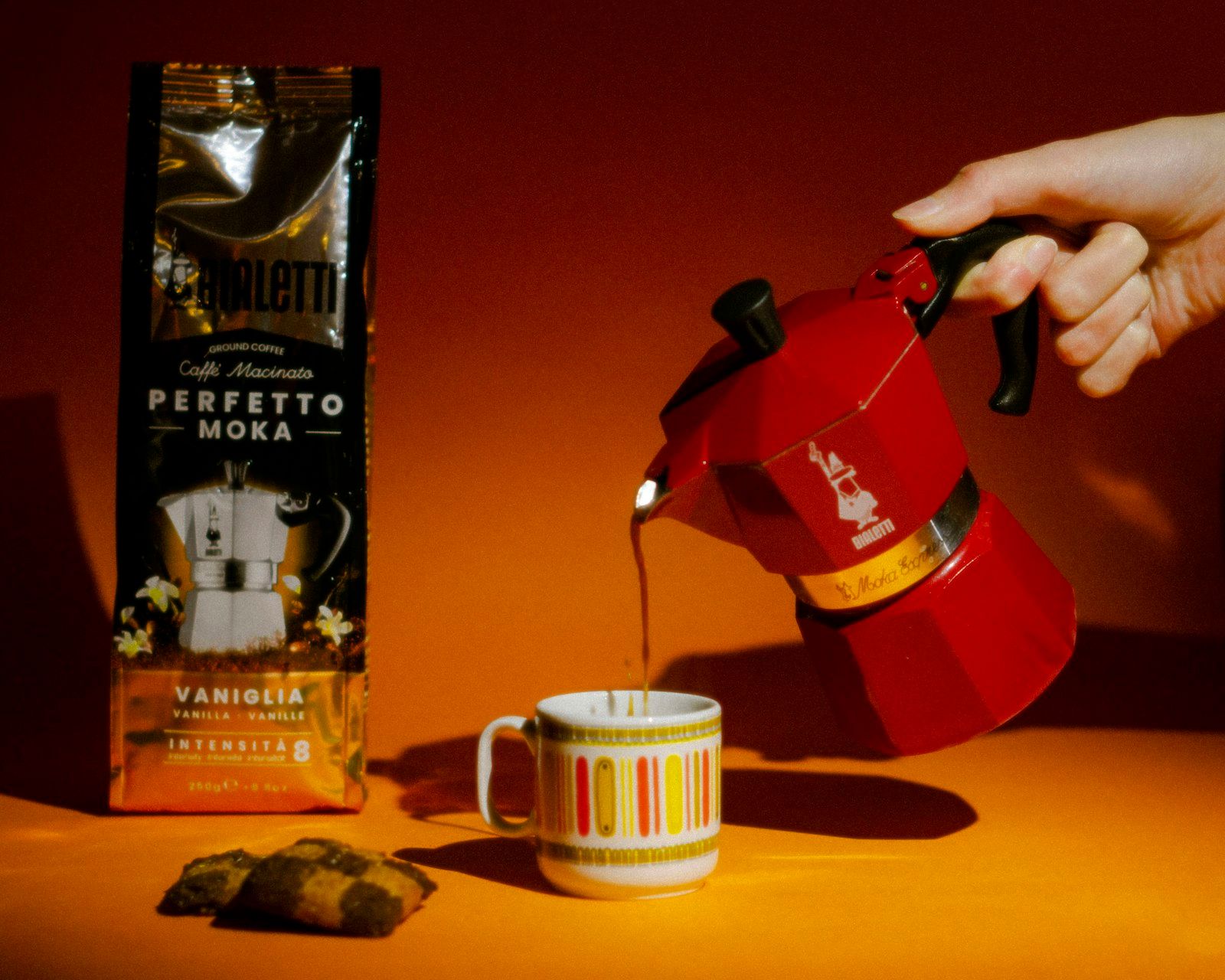
Photo by frogses production on Unsplash
It's tempting to treat these recipes as fixed formulas, but grind size is the one variable that changes from grinder to grinder, bean to bean, and even day to day depending on humidity. Two people using the exact same recipe on two different grinders can end up with wildly different results if they don't adjust grind size to match.
A simple way to check if your grind is roughly right is to watch your total brew time. If a recipe calls for three and a half minutes and your coffee finishes draining in two minutes, your grind is likely too coarse, letting water pass through too quickly and under extracting the coffee. If your brew drags well past the target time, your grind is probably too fine, and you risk pulling out bitter, over extracted flavors along with the good stuff.
Rather than chasing an exact number of clicks on someone else's grinder, use their stated grind description (fine, medium, coarse) as a starting point, then adjust in small increments until your own brew time lines up with the recipe.
Even with a proven recipe in hand, a few small habits can quietly undermine your results.
- Pouring too fast or too aggressively: a rushed, heavy pour disturbs the coffee bed and can channel water straight through instead of extracting evenly.
- Ignoring the bloom: skipping or rushing the initial bloom phase means trapped gas disrupts extraction throughout the rest of the brew.
- Using stale beans: even a perfectly executed recipe can't fix coffee that was roasted months ago and has lost most of its aromatic complexity.
- Inconsistent water temperature: letting your kettle cool too much, or reboiling water repeatedly, changes extraction in ways that are hard to predict and even harder to repeat.
- Switching too many variables at once: if you change grind, ratio, and temperature all in the same brew, you won't know which change actually affected the flavor.
Treat each recipe as a controlled experiment. Change one variable at a time, taste the result, and you'll build a much clearer picture of cause and effect than if you adjust everything simultaneously and hope for the best.
These five recipes represent some of the best brewing minds in the world distilling their approach into a repeatable process anyone can follow at home. None of them is objectively the best, they're each optimized for a different outcome, whether that's protecting floral notes, building body, or exploring how flavor shifts as coffee cools. Try each one with the same bean, take notes on what you taste, and you'll come away with a much sharper sense of how pour over coffee actually works.

Geisha Coffee From Panama: Why It's the World's Most Expensive Coffee
How to Choose a Pour Over Kettle: A Complete Buying Guide
What Is Cold Brew Coffee? A Complete Guide to Ratios, Steep Time, and Flavor
How to Read a Specialty Coffee Bag Label: 5 Details That Actually Matter
James Hoffmann's Pour Over Method: A Simple, Repeatable Way to Brew Better Coffee at Home