What Is Cold Brew Coffee? A Complete Guide to Ratios, Steep Time, and Flavor
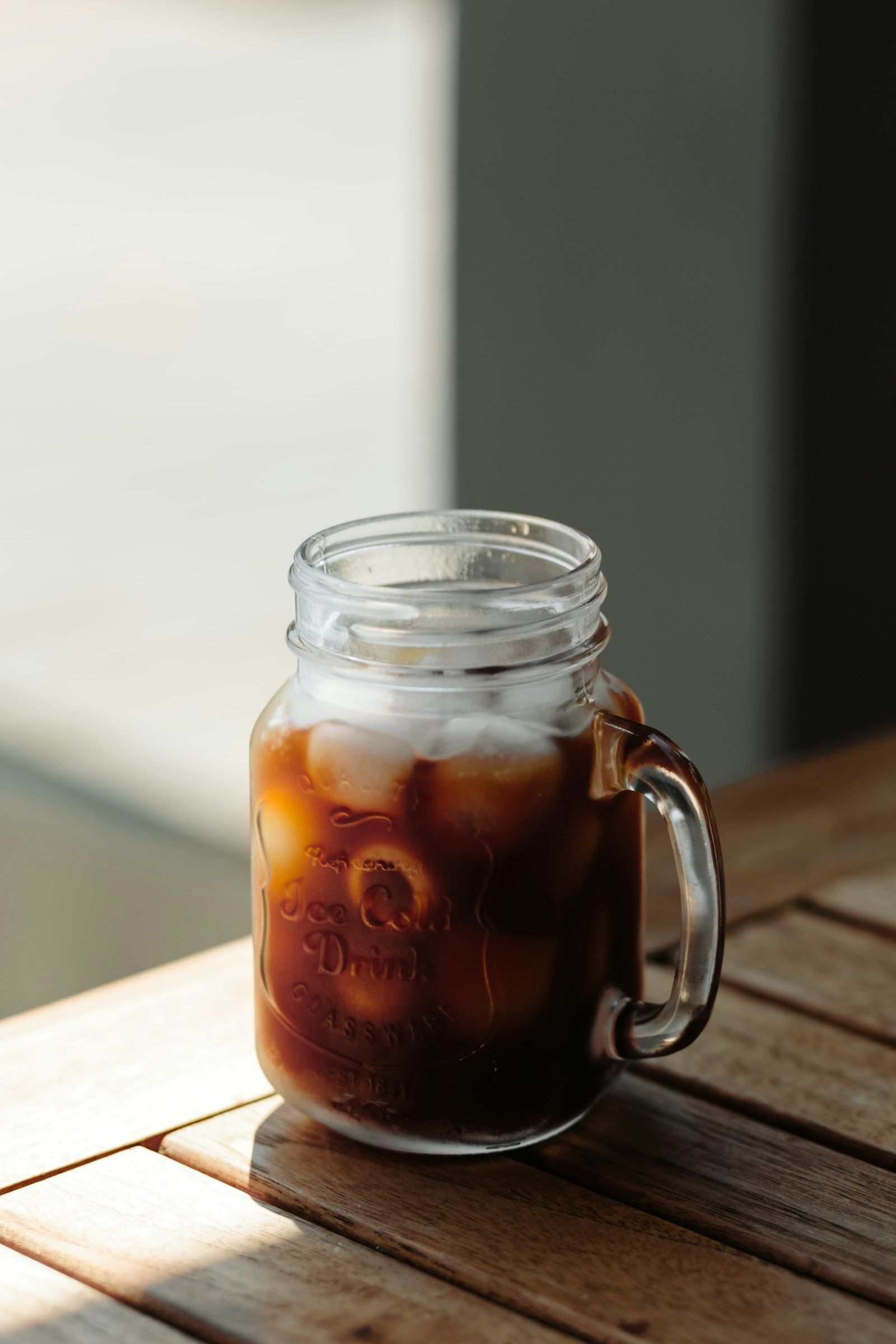
Cold brew shows up on nearly every cafe menu now, sitting right next to iced coffee as if the two are interchangeable. They aren't. Cold brew isn't a type of bean or a flavor, it's a completely different brewing method, and that method changes the coffee in ways that go well beyond simply serving it over ice. If you've ever wondered why cold brew tastes noticeably smoother and less sour than a hot brewed coffee poured over ice, the answer comes down entirely to how it's made.
Here's a full breakdown of what cold brew actually is, how it differs from iced coffee, and exactly how to make it at home.
What Cold Brew Actually Is
Cold brew coffee is made by steeping coarsely ground coffee in room temperature or cold water for an extended period, typically many hours rather than minutes. There's no heat involved anywhere in the process. Instead of hot water rapidly pulling flavor out of the grounds the way a drip machine or pour over does, cold water extracts much more slowly and selectively over time.
That slow, gentle extraction is the entire reason cold brew tastes the way it does. Heat is efficient at pulling out a wide range of compounds quickly, including some of the more acidic and bitter ones. Cold water, working over many hours instead of minutes, tends to pull out sweetness and body while leaving a lot of the sharper acidity behind.
iced coffee is simply hot brewed coffee, brewed the normal way, then cooled down and poured over ice. Because it's extracted with hot water, it carries all the same acidity and brightness a hot cup would have, just served cold.
Cold brew, because it never touches hot water at any point, comes out fundamentally different:
- Acidity: cold brew typically has 50 to 60 percent less measurable acidity than hot brewed coffee, which is a large enough difference that most people can taste it immediately.
- Sweetness and smoothness: without sharp acidity competing for attention, natural sweetness in the coffee tends to come through more clearly.
- Bitterness: cold extraction tends to pull out less bitterness overall, resulting in a mellower cup even at higher coffee strength.
If you've ever found hot brewed iced coffee too sharp or acidic on your stomach, cold brew is often a much gentler alternative, without sacrificing the caffeine kick.
Because cold brew is typically made as a concentrate and diluted later, its ratios look quite different from a normal cup of coffee, and they vary depending on the bean you're using.
- Robusta beans: roughly 1 gram of coffee to 6 milliliters of water, since Robusta tends to extract a stronger, more intense flavor.
- Arabica beans: roughly 1 gram of coffee to 14 milliliters of water, reflecting Arabica's naturally milder, more delicate character.
These ratios produce a concentrate, meaning the final result is meant to be diluted with water, milk, or ice before drinking, rather than consumed straight. If you skip dilution, expect an extremely strong, almost syrupy cup, which some people genuinely prefer, but it's worth knowing that's a deliberate choice rather than the standard serving strength.
Grind size and steeping time work together in cold brew, and adjusting one usually means reconsidering the other.
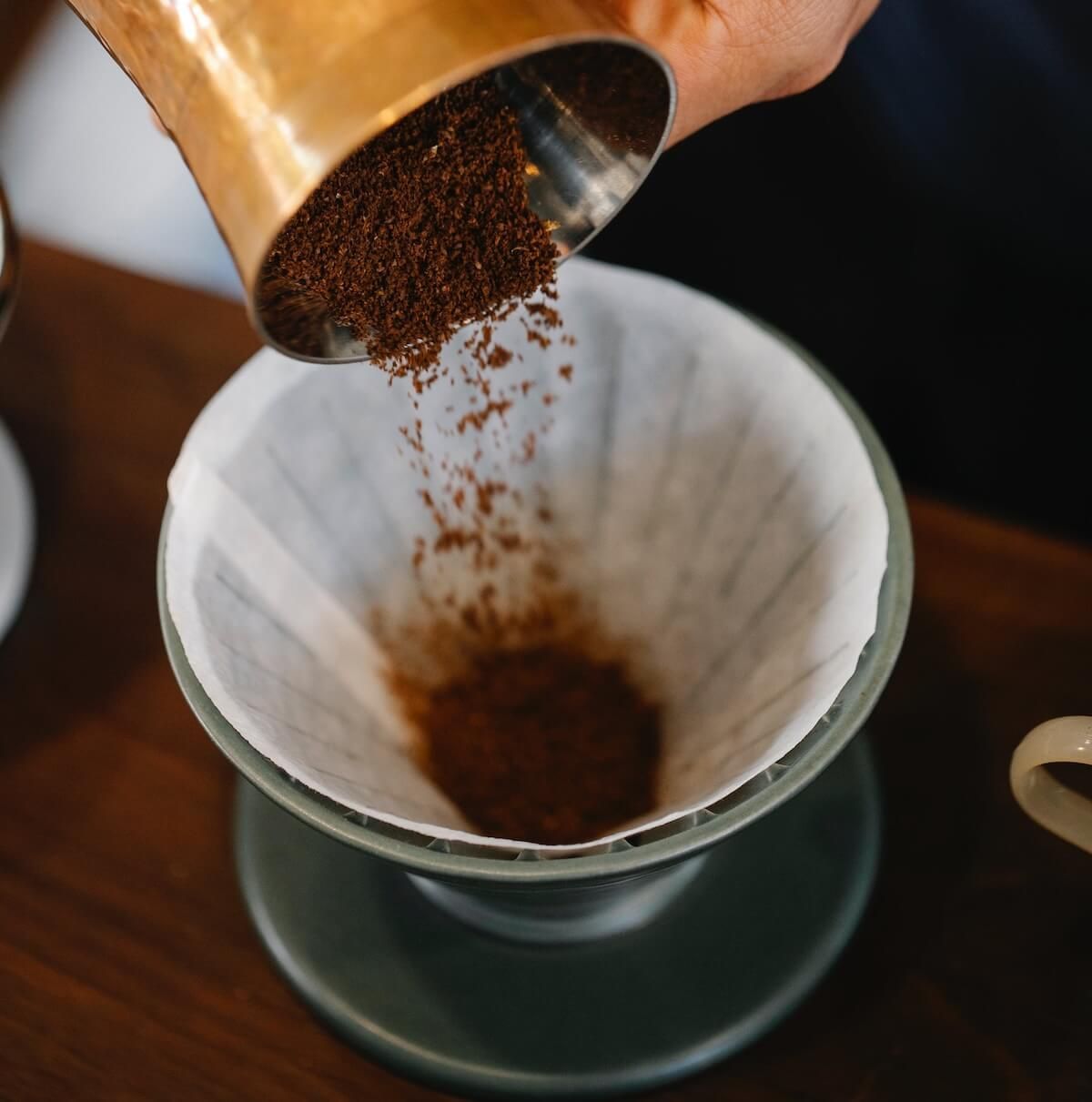
Most cold brew recipes call for a coarse grind, similar to what you'd use for a French press. A coarser grind slows extraction and reduces the chance of over extracting bitter compounds during such a long steep. A finer grind will extract faster and can work with a shorter steep time, but it also increases the risk of a muddy, over extracted flavor and can make filtering afterward more difficult.
Steeping time typically falls between 16 and 24 hours, kept in the refrigerator throughout. Steeping any shorter than that tends to produce a thin, under extracted result. Steeping much longer than 24 hours doesn't reliably improve flavor and can start to introduce unwanted bitterness, so there's a genuine point of diminishing returns.
This is one of the most common questions about cold brew, and the honest answer is: it depends entirely on how it's prepared and served. Because cold brew is often made and sold as a concentrate, ounce for ounce it can contain more caffeine than a typical cup of drip coffee. However, once that concentrate is diluted to a normal drinking strength, the caffeine content usually lands in a similar range to a strong cup of hot coffee.
The larger factor is usually serving size. Cold brew is frequently served in bigger cups than a standard hot coffee, and a bigger cup simply contains more total caffeine, regardless of brewing method. If you're specifically trying to manage your caffeine intake, pay closer attention to the serving size and concentration than to the brewing method alone.
Beyond flavor, cold brew's gentler extraction process comes with a few practical advantages worth mentioning.
- Lower acidity is easier on digestion: people who experience stomach discomfort or acid reflux from regular coffee sometimes find cold brew noticeably gentler.
- Less impact on tooth enamel: lower acid content means less erosive contact with enamel over time compared to more acidic hot brewed coffee.
- Still rich in antioxidants: cold brew retains many of the same beneficial antioxidant compounds found in hot brewed coffee, since those aren't heavily temperature dependent.
As with any coffee, moderation still matters, and these potential benefits shouldn't be read as medical advice, just genuine, practical differences tied to how the coffee is made.
You don't need specialized equipment to make good cold brew, though a dedicated cold brew pitcher with a built in filter does make the process more convenient.
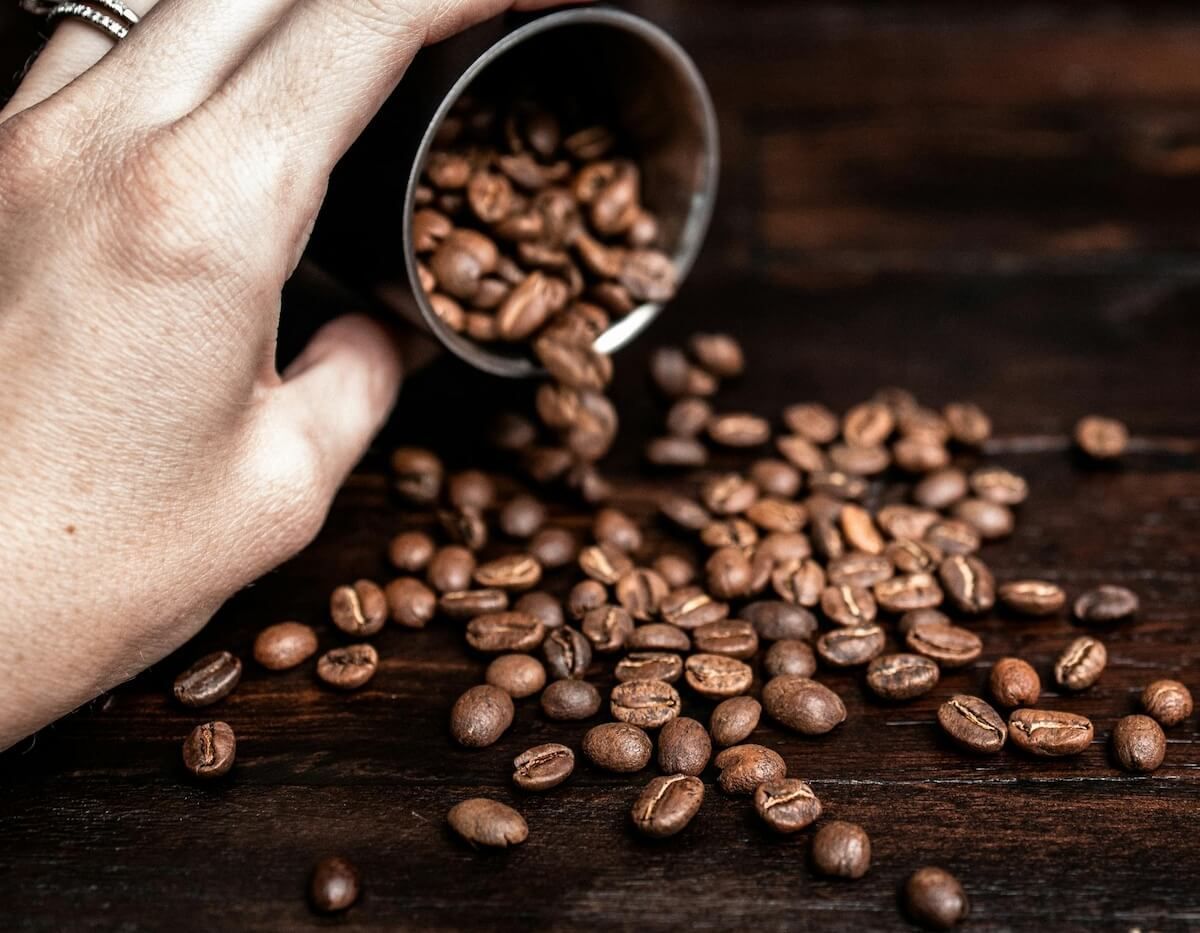
- Choose your coffee: a medium to dark roast tends to work well for cold brew, since the long steep time already draws out plenty of complexity even from beans that aren't particularly bright or fruity.
- Grind coarse: aim for a texture similar to coarse sea salt or French press grounds.
- Combine grounds and cold water: use the ratios above depending on whether you're working with Robusta or Arabica, mixing thoroughly so all the grounds are saturated.
- Steep in the refrigerator: let the mixture sit undisturbed for 16 to 24 hours.
- Filter thoroughly: strain out the grounds using a fine mesh filter, cheesecloth, or the built in filter on a cold brew pitcher. Filtering twice removes more fine sediment if you prefer an especially clean cup.
- Dilute and serve: mix your concentrate with water, milk, or a milk alternative to taste, then pour over ice.
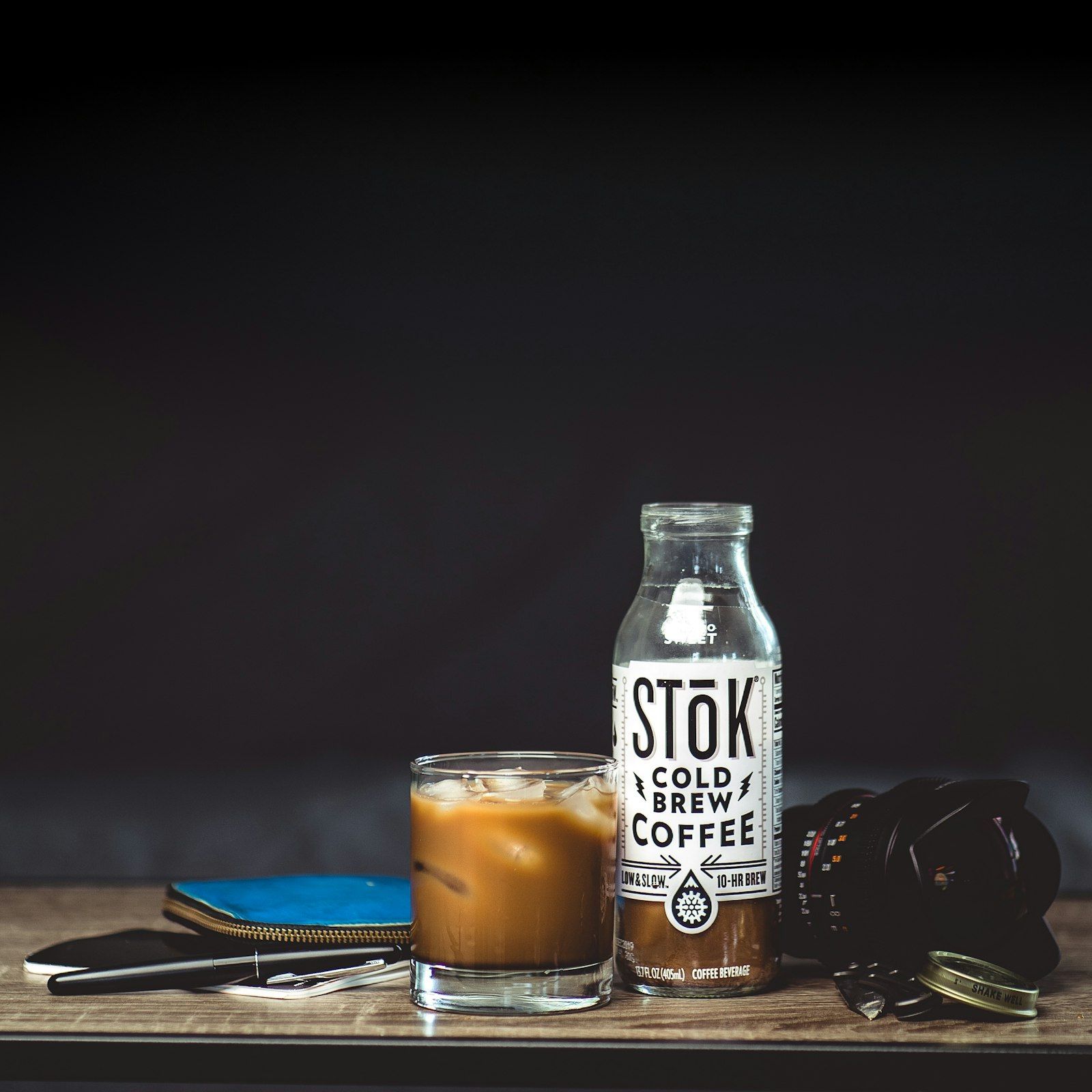
Photo by Ryan De Hamer on Unsplash
One underrated advantage of cold brew is how well it holds up in storage. Because it was never exposed to heat and carries lower acidity, cold brew concentrate generally keeps well in the refrigerator for up to two weeks in a sealed container, considerably longer than a pot of hot brewed coffee, which starts tasting stale within hours.
This makes cold brew genuinely convenient for meal prep style batching. Make a large batch on a Sunday, store the concentrate, and you'll have iced coffee ready to dilute and pour for most of the week without brewing again.
Cold brew is genuinely forgiving compared to methods like pour over, but a few habits still trip people up on their first few attempts.
- Grinding too fine: a fine grind extracts faster than intended and often produces a muddy, sediment heavy result that's hard to filter cleanly.
- Steeping at room temperature instead of refrigerated: some recipes call for room temperature steeping, but for food safety over a 16 to 24 hour window, refrigeration is the safer and more common approach.
- Under filtering: stopping at a single pass through a basic filter often leaves fine particles behind, which can make the concentrate taste gritty. A second pass through a paper filter or cheesecloth solves this easily.
- Forgetting it's a concentrate: drinking undiluted cold brew straight, then deciding you don't like cold brew, is a common and avoidable mistake. Always dilute before judging the flavor.
- Using pre ground, stale coffee: cold brew is more forgiving of average beans than delicate methods like pour over, but stale, flavorless grounds still produce a flat, uninteresting result no matter how long you steep them.
You don't need a dedicated cold brew system to get good results. A large mason jar, a French press, or even a simple pitcher with a fine mesh strainer will all work fine.
If you're using a French press, combine the grounds and water directly in the carafe, let it steep in the refrigerator for the full time, then press down slowly to separate the grounds before pouring off the concentrate. If you're using a plain jar, you'll need a separate straining step afterward, using a fine mesh sieve lined with a paper towel or coffee filter to catch the fine sediment that a jar alone won't filter out.
The main advantage of a dedicated cold brew pitcher is convenience: most have a built in filter basket that lets you lift the grounds straight out after steeping, without a separate straining step. It's a nice quality of life upgrade if you make cold brew regularly, but it isn't strictly necessary to get a good result.
Cold brew isn't just iced coffee with a trendier name, it's a fundamentally different brewing process that trades speed for smoothness, sacrificing some of the bright acidity of hot brewed coffee in exchange for a mellower, sweeter, and often more digestible cup. Once you understand the ratio, grind, and steep time involved, it's a straightforward method to replicate at home, and one that rewards a little patience with a genuinely different coffee experience.

Geisha Coffee From Panama: Why It's the World's Most Expensive Coffee
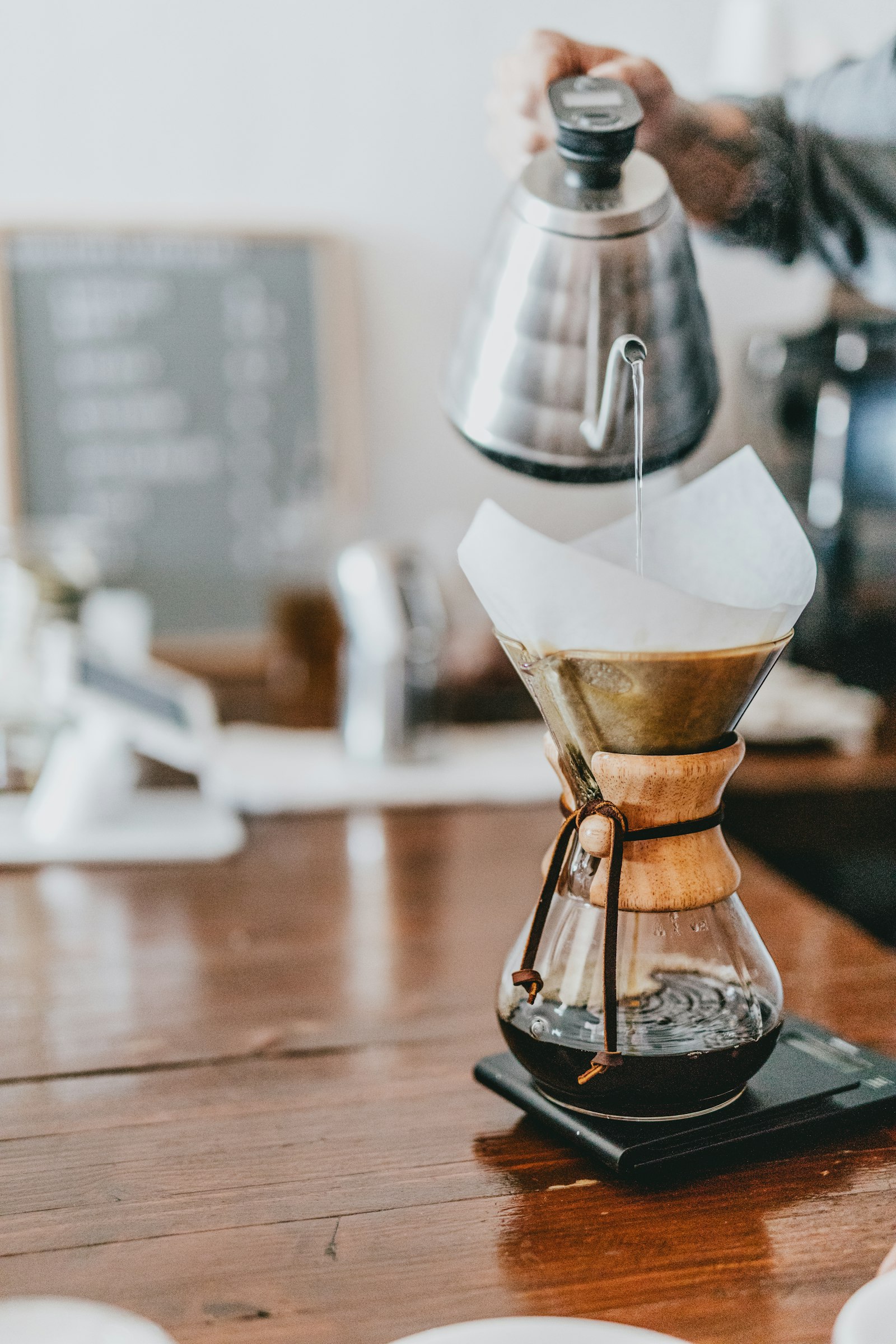
How to Choose a Pour Over Kettle: A Complete Buying Guide
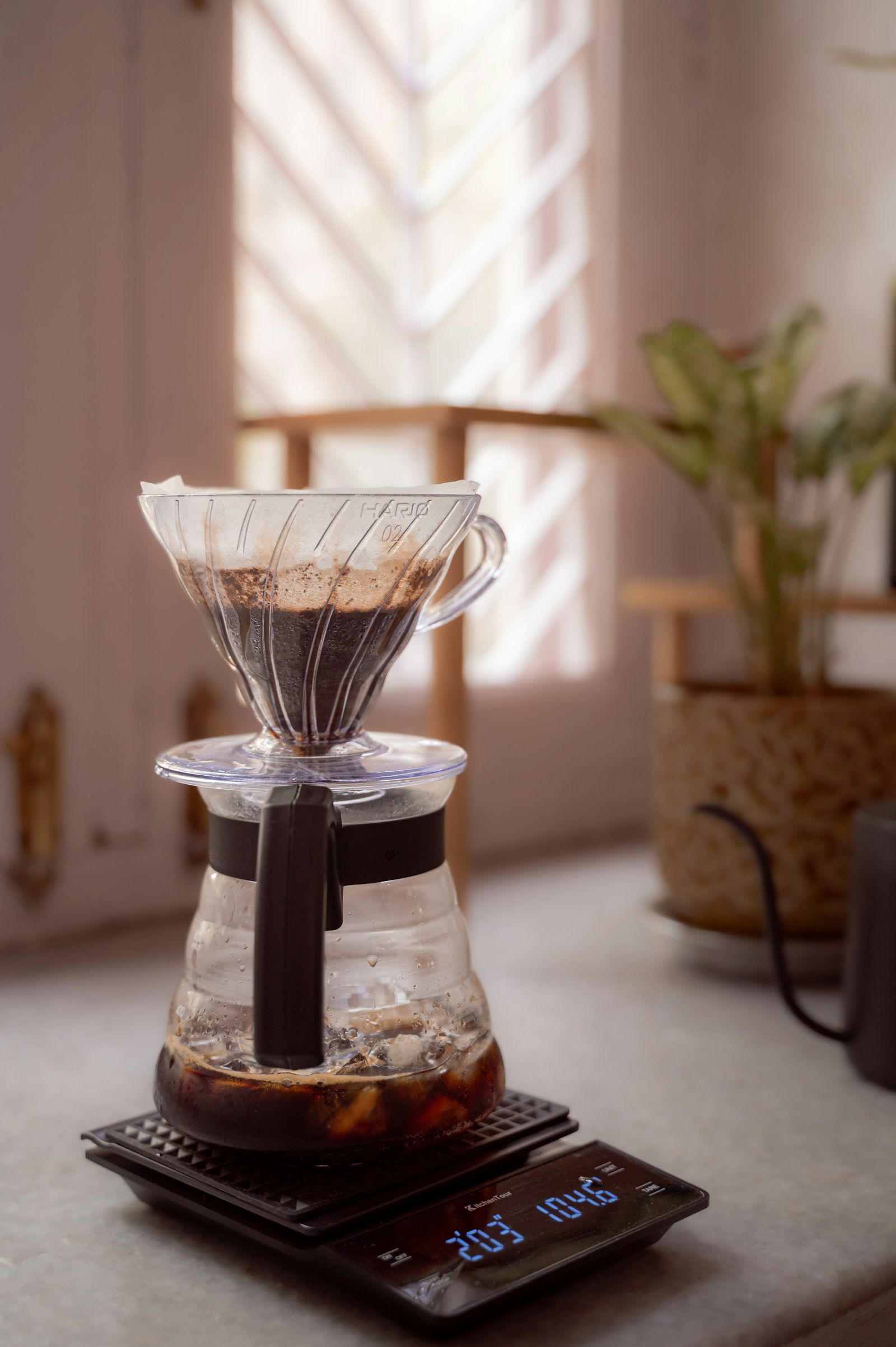
Master Pour Over Coffee: 5 Champion Barista Recipes You Can Brew at Home
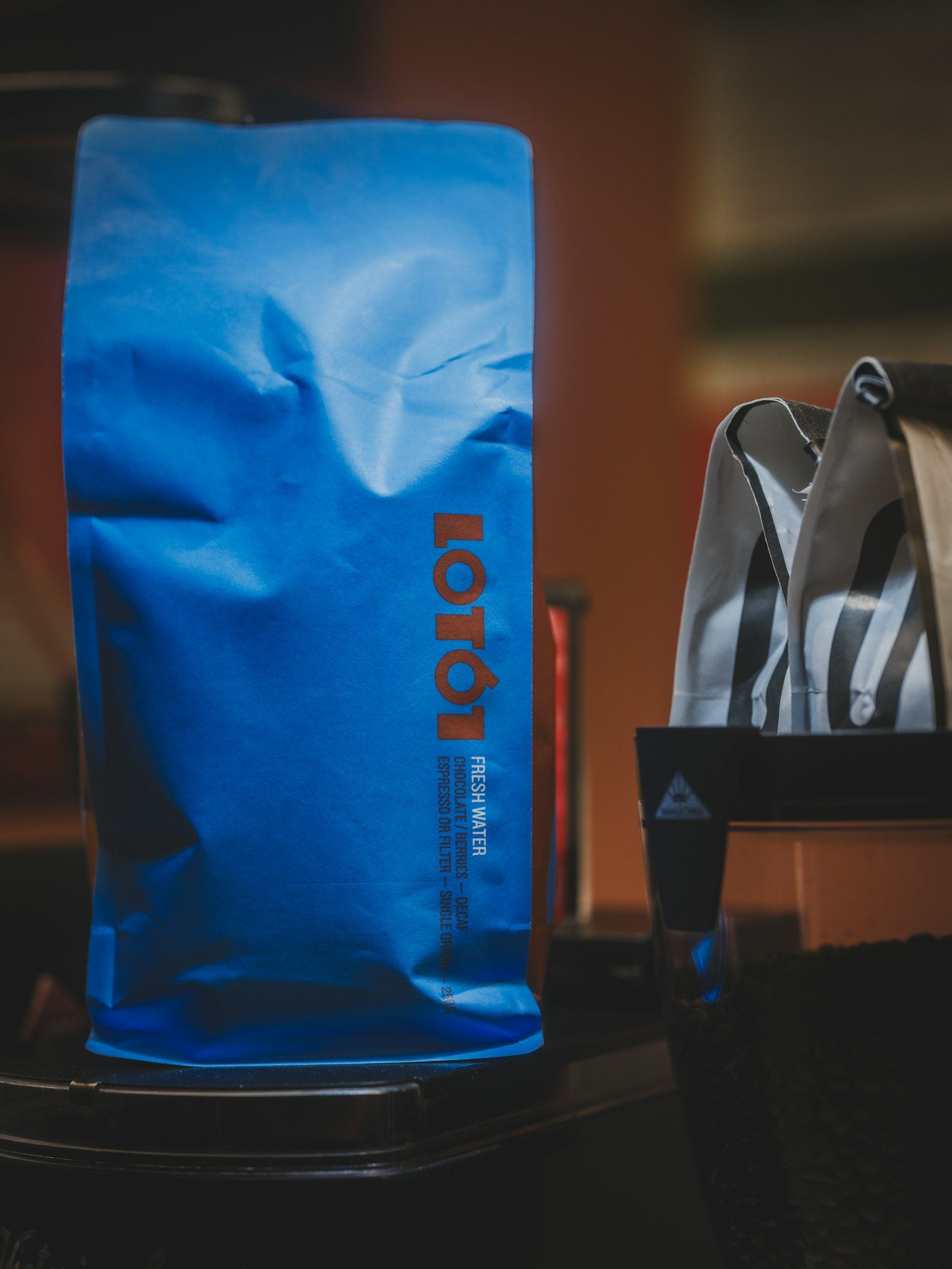
How to Read a Specialty Coffee Bag Label: 5 Details That Actually Matter
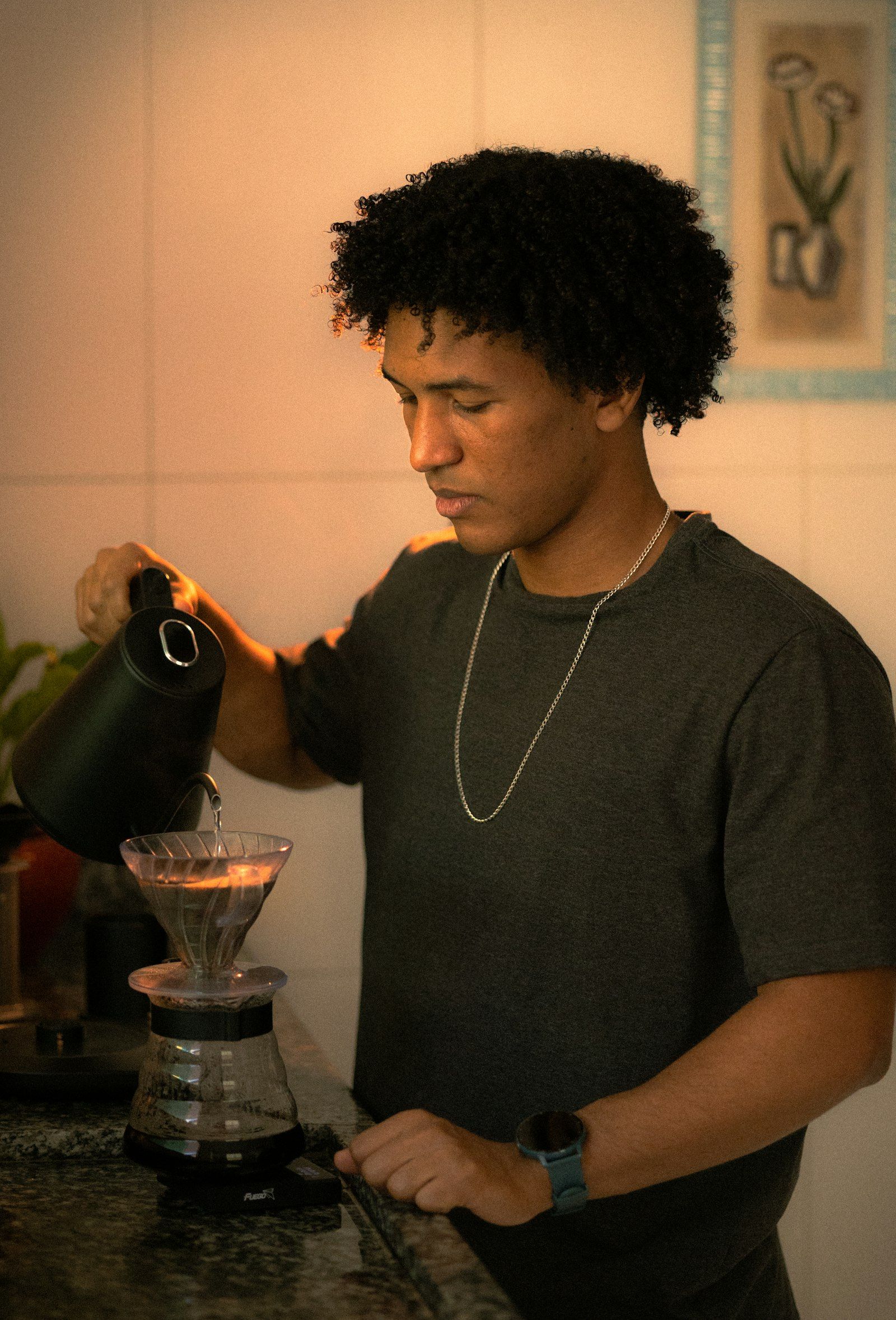
James Hoffmann's Pour Over Method: A Simple, Repeatable Way to Brew Better Coffee at Home