How to Read a Specialty Coffee Bag Label: 5 Details That Actually Matter
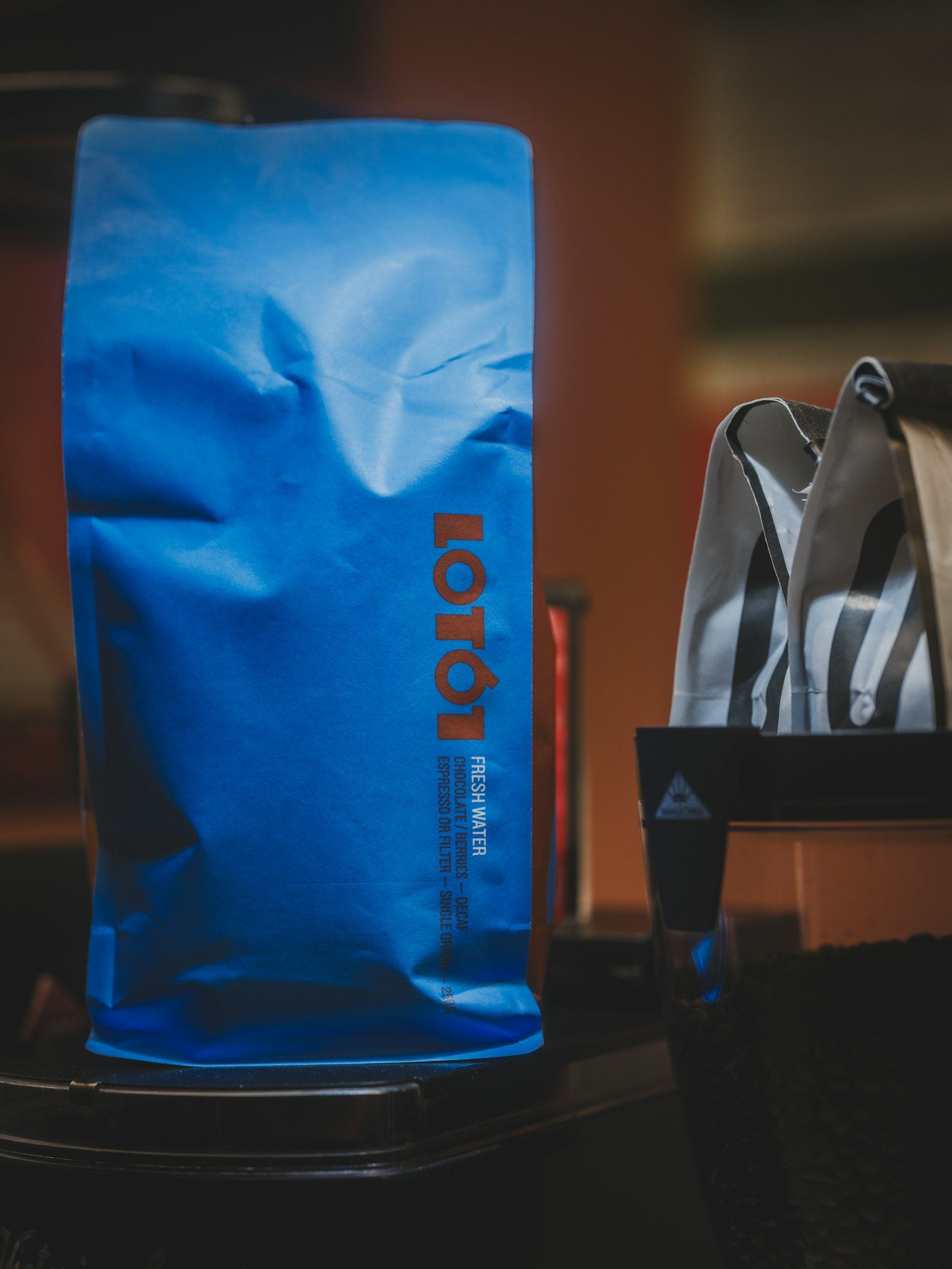
Walk into any specialty coffee shop and you'll notice something: the bags on the shelf are covered in text. Roast dates, farm names, processing methods, tasting notes, sometimes even the exact elevation a farm sits at. Most casual coffee drinkers skim right past all of it and just look at the price. That's a mistake, because a coffee label is basically a report card. Roasters who source carefully and roast with intention tend to put real, specific information on their bags. Roasters who don't, tend to fill the space with vague marketing language instead.
Here are the five pieces of information worth reading before you buy, and what each one actually tells you about the coffee inside.
The Roast Date Comes First
Of everything printed on a coffee bag, the roast date matters the most, and it's the detail people check the least. Specialty coffee lives and dies by freshness measured in days, not months, which is a completely different mindset than supermarket coffee that's built to sit on a shelf for a year.
Right after roasting, beans release carbon dioxide in a process called degassing. That process typically runs for about a week to ten days. Brewing coffee that's too fresh can actually taste a bit odd, since trapped CO2 interferes with even extraction. Once the beans settle, there's a window where flavor is at its peak.
As a general guide:
- Days 7 through 28 after roasting: this is usually the sweet spot, where aroma and flavor are most vivid.
- Days 29 through 60: still enjoyable, but the brighter aromatics start to fade.
- Beyond 60 days: the coffee is not spoiled or unsafe, it just tends to taste flatter and less dynamic.
If a bag doesn't list a roast date at all, that's a red flag on its own. Reputable specialty roasters treat the roast date as essential information, not an afterthought.
Nearly every coffee bag mentions a country of origin. Specialty coffee goes several steps further. Instead of just "Ethiopia," a specialty label might say "Yirgacheffe, Idido washing station, grade one." Instead of "Colombia," you might see a specific farm name and the family who grows there.
That extra detail is not decoration. It reflects traceability, and traceability is a proxy for accountability. A roaster who can name the exact washing station or farm is a roaster who has a direct relationship with that supply chain, or at minimum an importer who does. Vague, country only labeling usually means the beans passed through several anonymous hands before reaching the roaster, which makes consistent quality much harder to guarantee from batch to batch.
This doesn't mean a country only label is automatically bad coffee. It just means you're getting less information to judge it by, and you should factor that into your expectations.
If freshness tells you when to drink the coffee, and origin tells you where it came from, variety and processing tell you a huge amount about how it will actually taste. Many coffee professionals would argue these two factors influence flavor more than origin does.
Variety refers to the specific plant cultivar, similar to how Cabernet Sauvignon and Pinot Noir are both grapes but taste nothing alike. Common varieties you'll see on specialty labels include Typica, Bourbon, Caturra, Geisha (sometimes spelled Gesha), SL28, and Heirloom (a catch all term often used for Ethiopian varieties that haven't been formally classified).
Processing method describes what happens to the coffee cherry after it's picked and before the green bean is dried and shipped. The main methods are:
- Washed: the fruit is removed before drying, which tends to produce a cleaner cup with brighter, more defined acidity.
- Natural: the whole cherry dries around the bean, which usually creates a heavier body and bold, fruit forward sweetness.
- Honey: a middle ground where some fruit mucilage stays on the bean during drying, landing somewhere between washed and natural in both sweetness and clarity.
- Anaerobic: the cherries ferment in a sealed, oxygen free environment before processing, often producing unusual, intense flavors like tropical fruit, wine, or funk that you won't get from traditional methods.
Once you know a coffee's variety and process, you can predict quite a bit about how it will taste before you ever open the bag.
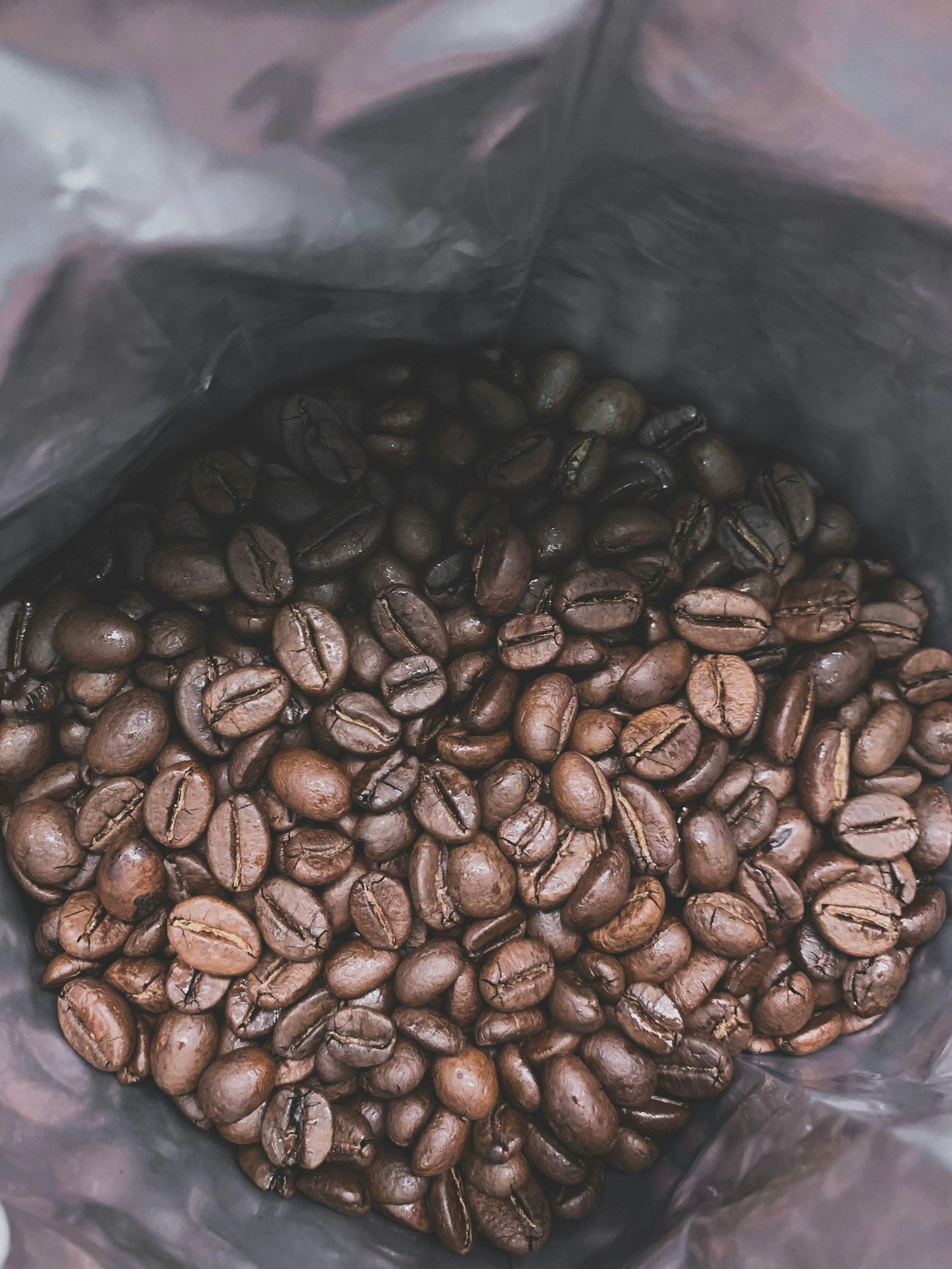
Photo by Kevin Marheza on Unsplash
Almost every coffee bag has some kind of flavor description on it. This is where you can quickly tell the difference between a roaster who has actually cupped and evaluated their coffee, and one who's just filling space.
Be skeptical of vague, feel good phrases like "smooth," "rich," or "bold and delicious." Those words could describe literally any coffee on earth, which means they don't describe this particular coffee at all.
What you want to see is a specific cluster of three or so distinct notes, something like "dark chocolate, orange zest, and a honeyed finish," or "blackberry, black tea, and brown sugar." Specific notes like that signal the roaster actually sat down, cupped the batch, and wrote down what they tasted, rather than copying a generic description from a spec sheet.
One caveat: you probably won't taste the exact same notes the roaster did. Flavor perception is subjective and depends on your palate, your brewing method, and even the water you use. Treat the notes as a general direction rather than a literal promise.
Many bags also print a "best by," "best before," or expiration style date, which can confuse people who are already tracking the roast date separately. These two dates are answering different questions.
The best by date is usually set six to twelve months after roasting and exists mainly for food safety and retail compliance purposes, not flavor. It tells you the coffee is still safe to consume, not that it's still tasting its best. In practice, a bag can be well within its best by window and still taste noticeably stale, if the roast date has already slipped past that peak flavor period discussed earlier.
The takeaway: when the two dates disagree with what you actually want, prioritize the roast date. It's the more honest signal of freshness.
Next time you're standing in front of a shelf of bags, run through this quick mental checklist before you buy:
- Is there a clear roast date, and is it within the last four weeks?
- Does the origin go beyond the country name, down to a region, station, or farm?
- Are both the variety and the processing method listed?
- Are the flavor notes specific (three distinct descriptors), rather than generic marketing language?
- Is the roaster's name clearly identified, so you know who actually stands behind the coffee?
If a bag checks all five boxes, it's a strong sign you're buying from a roaster who takes sourcing and quality seriously. If it's missing two or three of these, that doesn't automatically mean the coffee is bad, but it does mean you're buying with a lot less information than you could have.
Beyond missing information, there are a few labeling habits that tend to signal lower quality beans dressed up to look premium. Learning to spot these will save you from paying specialty prices for coffee that doesn't actually earn them.
Watch out for the word "gourmet" doing all the work on a bag. It has no legal or industry definition, so any roaster can print it on anything. The same goes for phrases like "premium blend" without any further detail about what's actually in the blend or where it came from. A true specialty roaster is usually proud enough of their sourcing to name it outright, rather than hiding behind broad marketing terms.
Another pattern to notice is a roast date that seems suspiciously far in the future, or one that's printed in a format that's hard to interpret at a glance. Some large scale producers use a "packaged on" date instead of a true roast date, which can make coffee that's already several weeks old look fresher than it really is. If a bag only gives you a packaging date, it's fair to ask the retailer directly when the beans were actually roasted.
Finally, be cautious of bags that list a country of origin alongside an extremely low price point. Specialty grade coffee involves careful picking, sorting, and processing, all of which cost more than the industrial methods used for commodity grade beans. When origin specificity and rock bottom pricing appear together, it's worth asking a few more questions before you buy.
None of this means you need to become an expert cupper before your morning coffee. It just means a label can save you money and disappointment. Buying based on price and packaging alone is a bit like buying a car based only on the color, you might get lucky, but you're ignoring the information that actually predicts how it will perform.
Once reading a label becomes a habit, it takes only a few seconds, and it quickly becomes obvious which roasters are putting real thought into their sourcing and which ones are relying on nice looking packaging to carry the sale. Over time, that habit will steer your palate toward better coffee and steer your wallet away from bags that promise more than they deliver.
A coffee label isn't just packaging, it's a snapshot of how much effort went into sourcing and roasting the beans inside. Once you know what to look for, reading a bag takes about fifteen seconds and tells you far more than the price tag ever could. Check the roast date first, then look at origin specificity, variety, processing, and flavor notes. Together, those five details will steer you toward fresher, more interesting coffee almost every time.

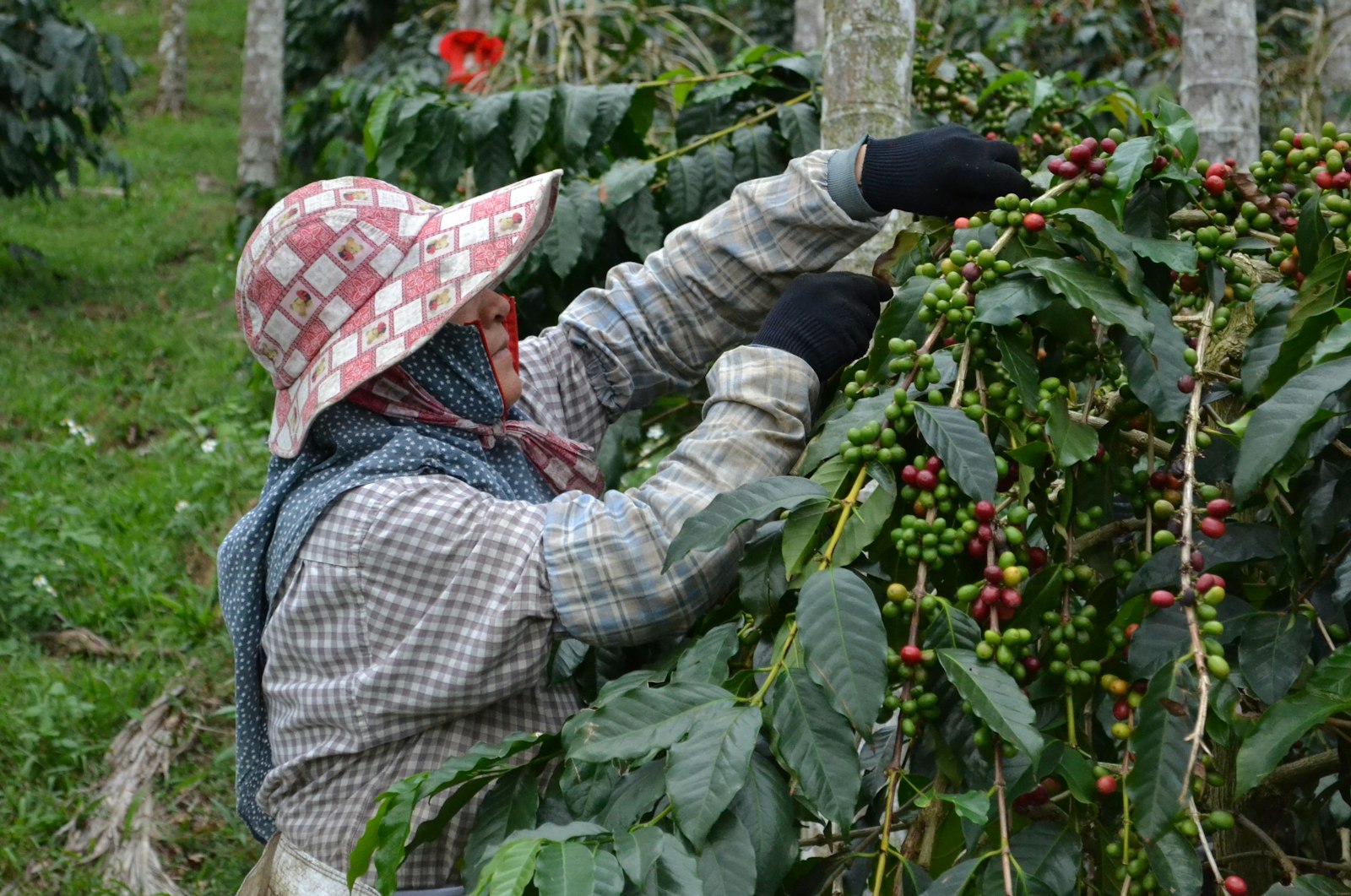
Geisha Coffee From Panama: Why It's the World's Most Expensive Coffee
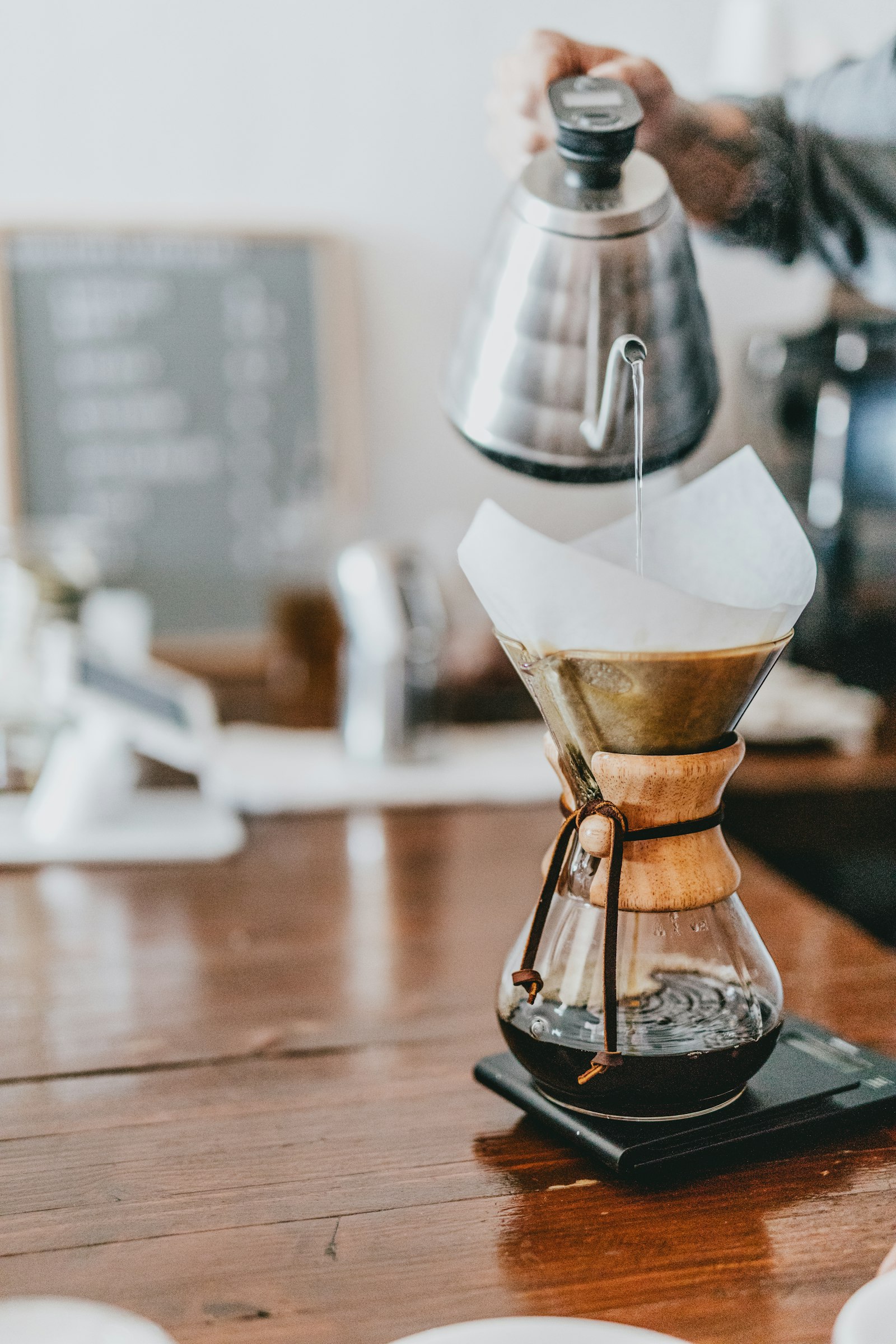
How to Choose a Pour Over Kettle: A Complete Buying Guide
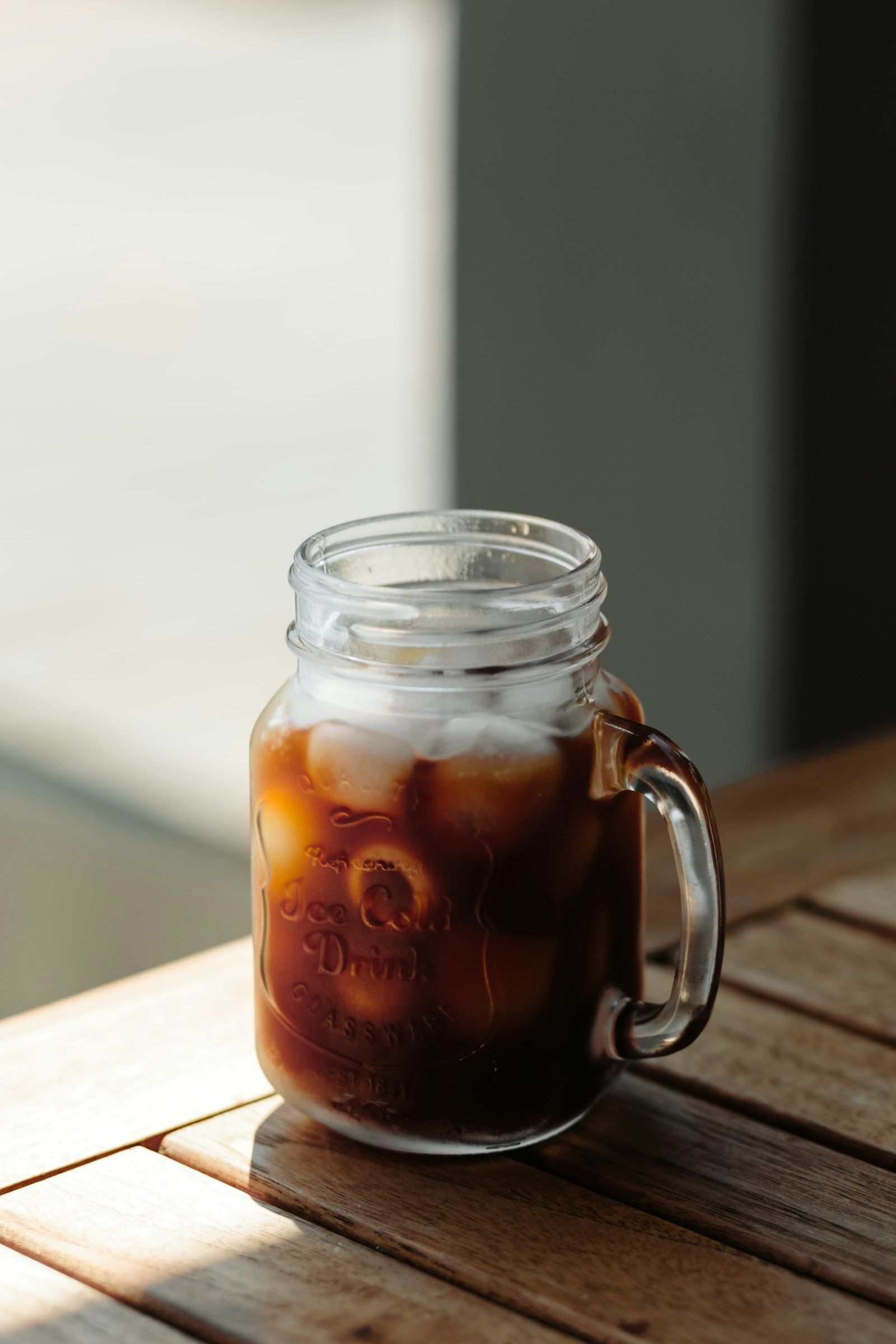
What Is Cold Brew Coffee? A Complete Guide to Ratios, Steep Time, and Flavor
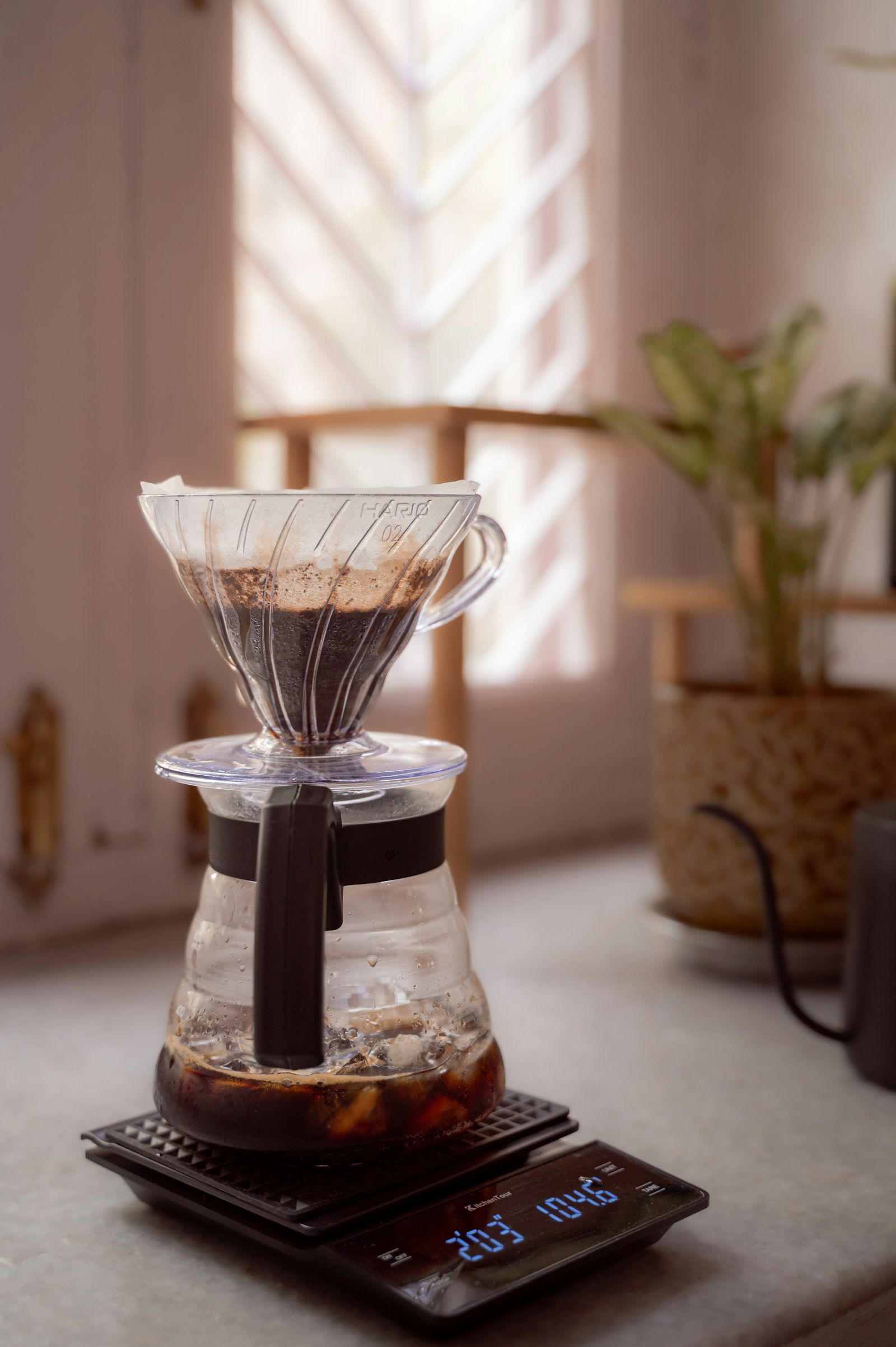
Master Pour Over Coffee: 5 Champion Barista Recipes You Can Brew at Home
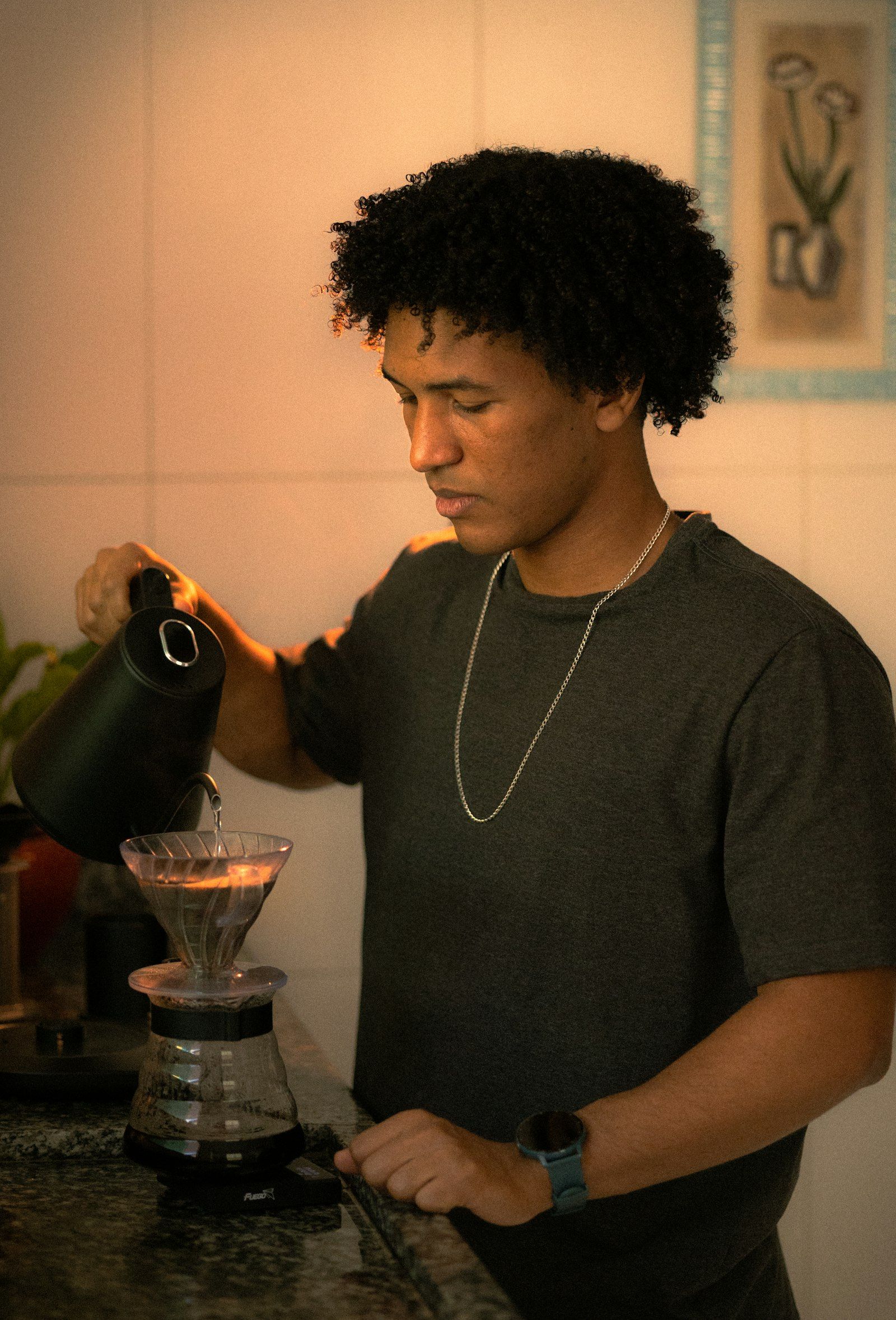
James Hoffmann's Pour Over Method: A Simple, Repeatable Way to Brew Better Coffee at Home