James Hoffmann's Pour Over Method: A Simple, Repeatable Way to Brew Better Coffee at Home
If you've spent any time in the specialty coffee corner of YouTube, you've probably run into James Hoffmann — the 2007 World Barista Champion and coffee educator whose deep dives into brewing science have earned him more than a million subscribers. A few years ago, he set out to answer a simple question: what's the easiest pour-over recipe that still produces genuinely great coffee, every time, no matter your skill level? The result is now widely known as "the ultimate V60 technique," and it has become the default starting point for home brewers who want consistently good coffee without a steep learning curve.
Here's a full walkthrough of the method, including the exact ratio, grind size, and pour schedule Hoffmann recommends.
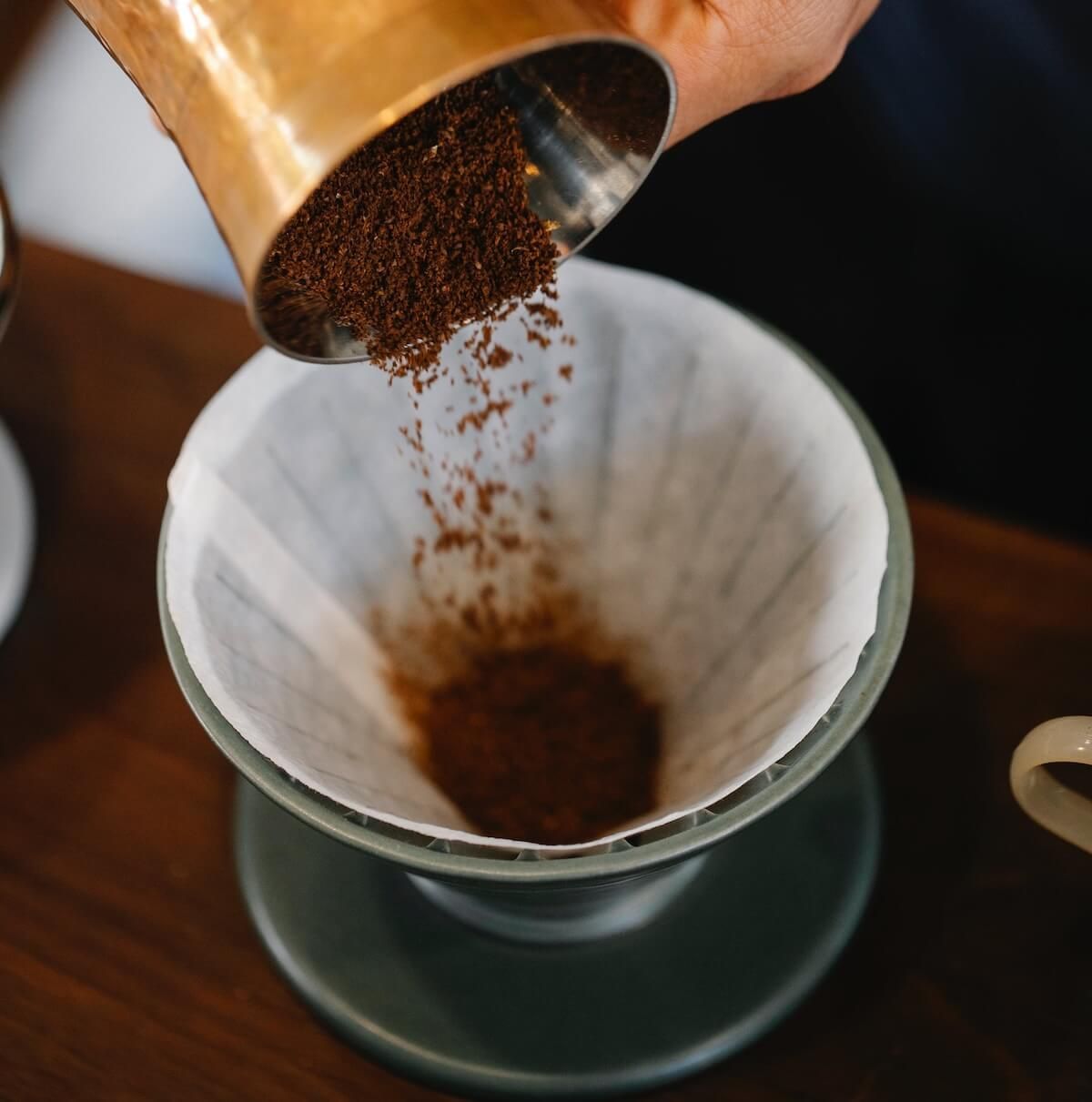
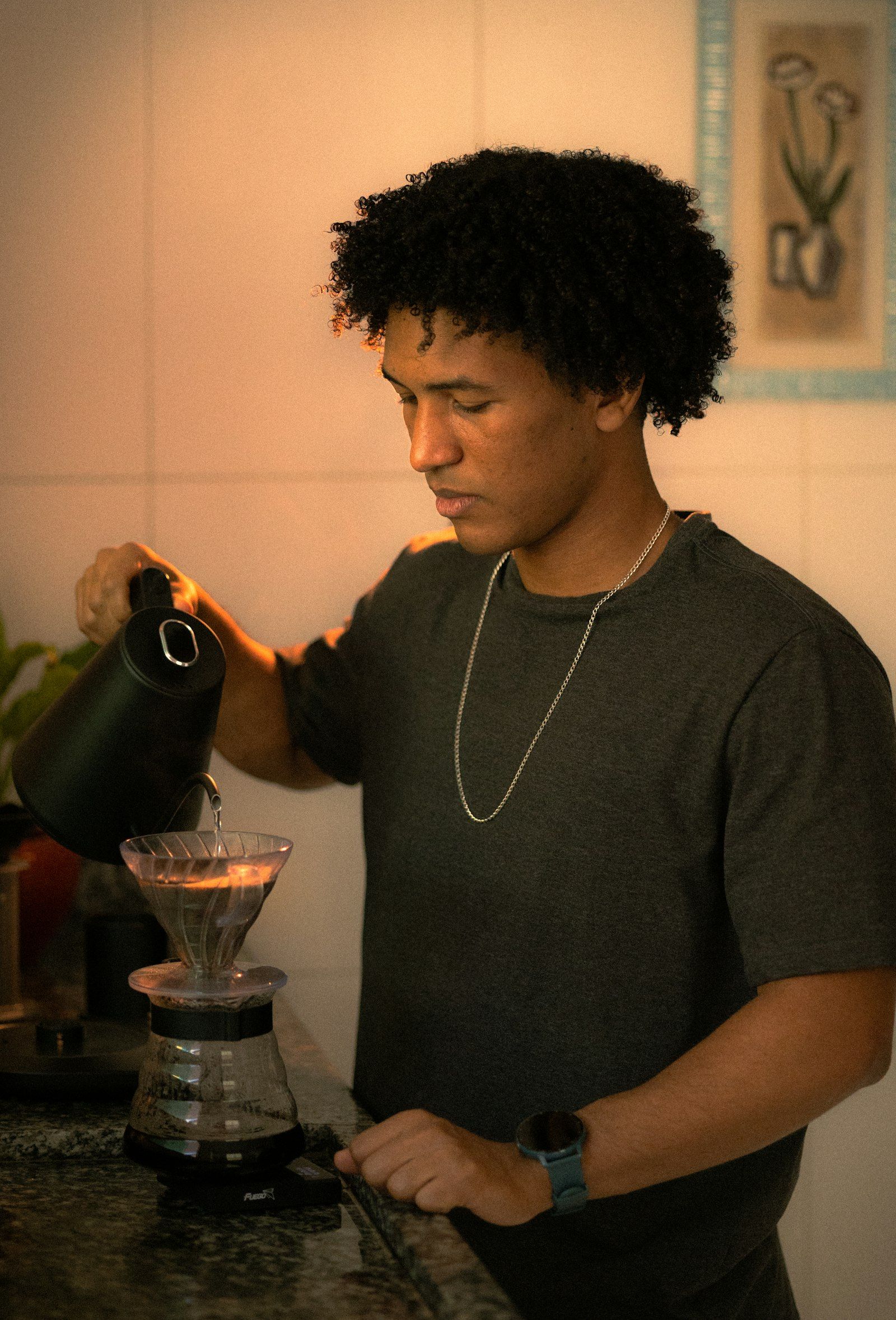
Photo by Alef Morais on Unsplash
What You'll Need
- A V60 dripper — ceramic, plastic, or metal all work fine
- V60 paper filters (size 01 or 02, matching your dripper)
- A digital coffee scale that can also time your brew
- A kettle — ideally a gooseneck kettle for better pour control, though any kettle will do
- A burr grinder
- Filtered or bottled water — "soft" water with lower mineral content extracts more cleanly than most tap water
The Ratio, Grind, and Water Temperature
Hoffmann's recipe uses 30 grams of coffee to 500 grams of water, a 1:16.7 ratio that leans slightly weaker than traditional pour-over recipes. That's intentional: a higher water ratio is more forgiving of small technique mistakes, which makes the method easier to repeat successfully at home.
Grind size should be medium-fine — a bit finer than standard drip coffee, but not as fine as espresso. If you're using a reference grinder, that's roughly clicks 24–25 on a Comandante C40 or 18–19 on a Timemore C2.
For water temperature, aim for 92–97°C (198–207°F). If you don't have a temperature-controlled kettle, simply let water off the boil rest for 5–10 seconds before pouring.
The 3-Stage Pour
The brew is broken into three pours over roughly three and a half minutes:
| Time | Action |
|---|---|
| 0:00 | Pour 60g of water to saturate the grounds (the "bloom"). Give the dripper a gentle swirl so all the grounds get wet evenly. |
| 0:45 | Pour up to 300g total, adding water over about 30 seconds. Try to keep the slurry level fairly high in the dripper. |
| 1:15 | Pour the remaining water up to 500g total, again over about 30 seconds. Give the dripper a light stir or swirl once or twice to keep extraction even. |
| ~3:30 | Drawdown should finish and all the water should have passed through the bed. |
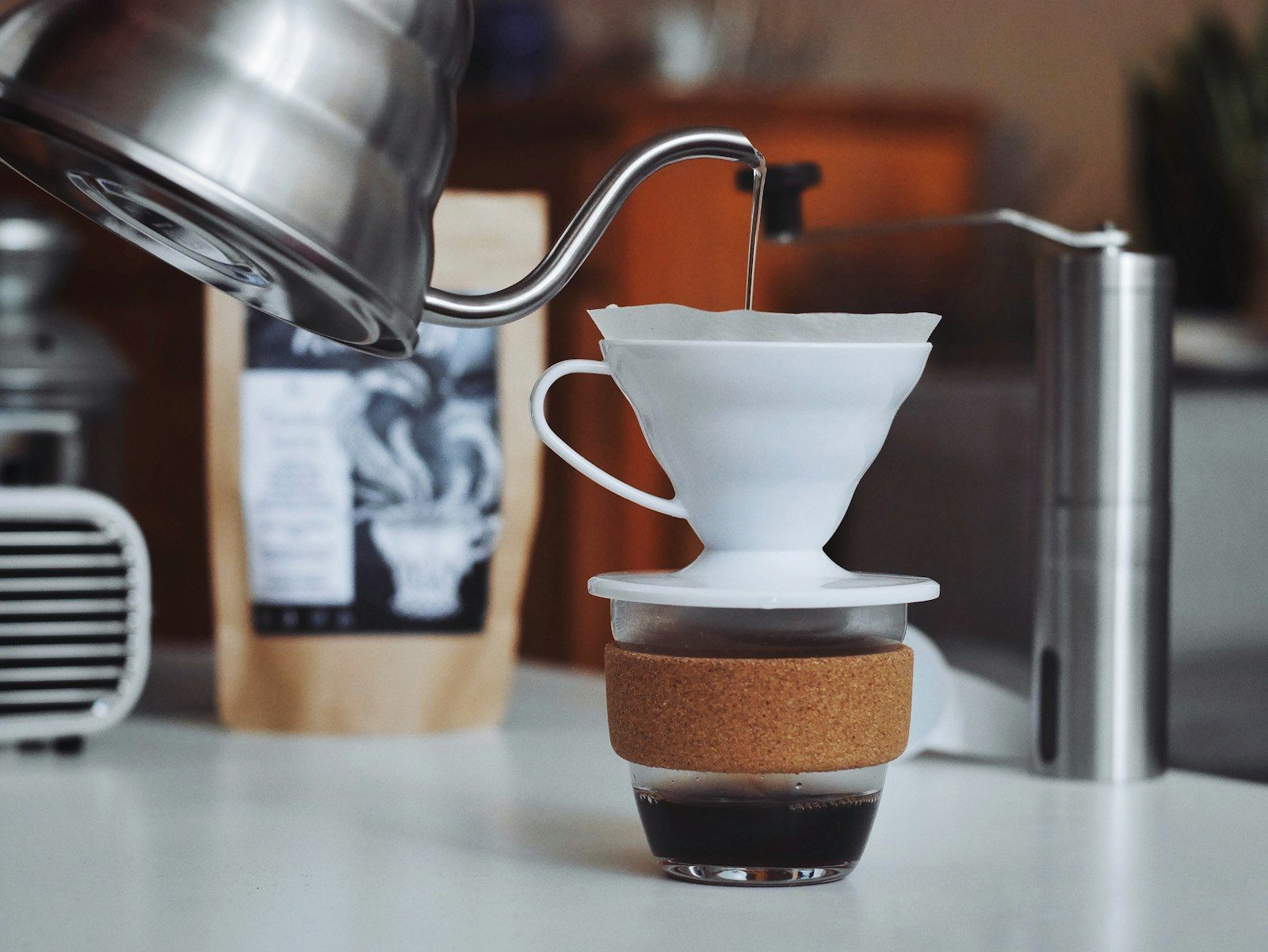
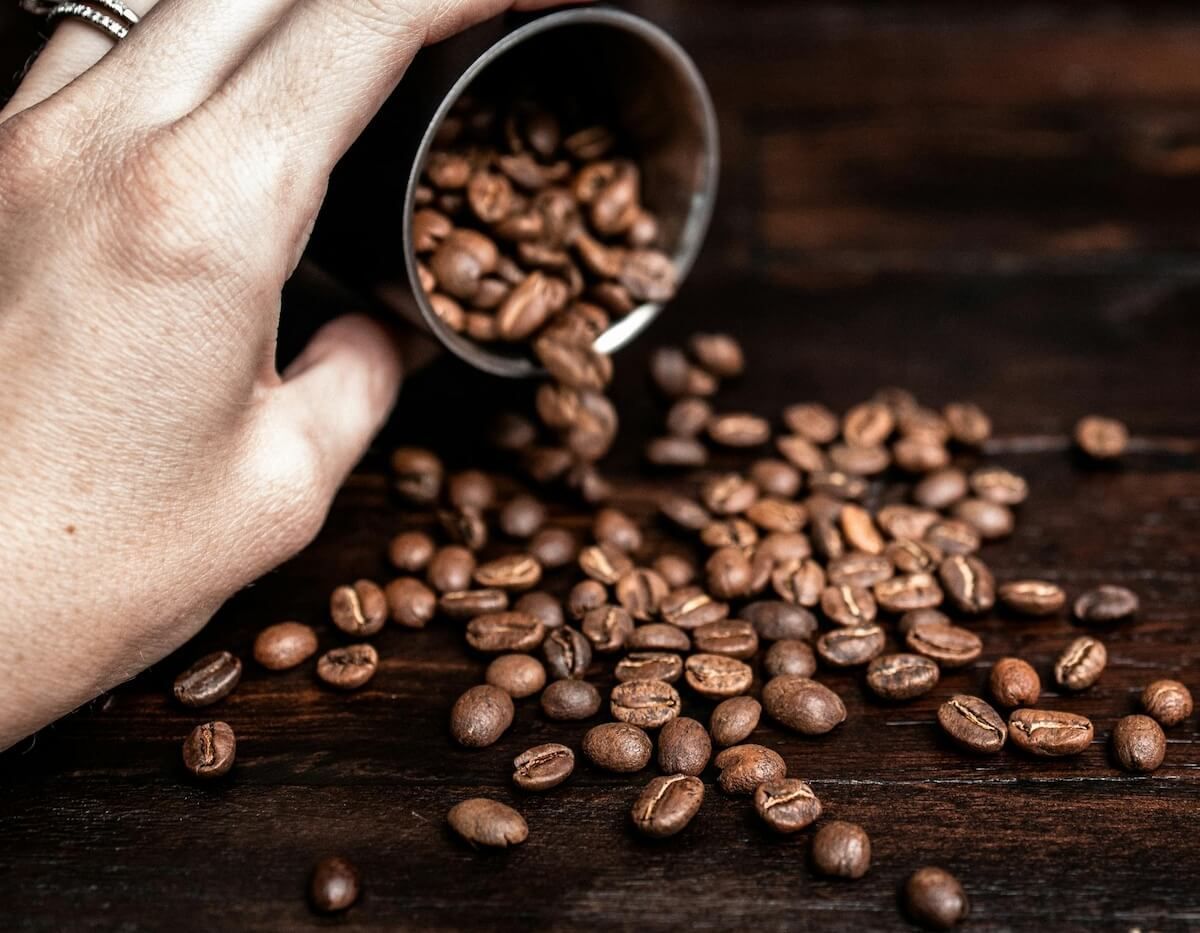
Photo by Goran Ivos on Unsplash
Watch the Original Technique
If you'd rather see the pours in action, James Hoffmann walks through the full method himself in this video:
Why It Works So Well for Beginners
Most pour-over recipes ask you to hit a very specific extraction target, which usually means fiddling with grind size and pour timing over several attempts. Hoffmann's method sidesteps a lot of that trial and error. The higher water ratio dilutes small mistakes, the two-stage main pour keeps the coffee bed saturated without much fuss, and the swirls at each stage do a lot of the work that precise pouring technique would normally handle.
The tradeoff is that the coffee can come out slightly lighter-bodied than some drinkers prefer — but that's easy to dial in once you've brewed it a few times.
Adjusting the Recipe to Your Taste
- Coffee tastes weak or sour: grind finer to slow the flow and increase extraction.
- Coffee tastes bitter or harsh: grind coarser to speed up the drawdown.
- Want a stronger cup: increase the coffee dose slightly while keeping the ratio close to 1:16.
- Pouring into the side of the filter instead of the center: Hoffmann has noted this makes little practical difference, so don't stress over pouring with surgical precision.
The Bottom Line
James Hoffmann's pour-over method won't replace a dialed-in, competition-level recipe — but for a home setup, it's one of the most reliable ways to get a genuinely good cup of coffee with very little practice. Grab a V60, a scale, and a timer, follow the three pours above, and adjust your grind from there.
What You'll Need
- A V60 dripper — ceramic, plastic, or metal all work fine
- V60 paper filters (size 01 or 02, matching your dripper)
- A digital coffee scale that can also time your brew
- A kettle — ideally a gooseneck kettle for better pour control, though any kettle will do
- A burr grinder
- Filtered or bottled water — "soft" water with lower mineral content extracts more cleanly than most tap water
Hoffmann's recipe uses 30 grams of coffee to 500 grams of water, a 1:16.7 ratio that leans slightly weaker than traditional pour-over recipes. That's intentional: a higher water ratio is more forgiving of small technique mistakes, which makes the method easier to repeat successfully at home.
Grind size should be medium-fine a bit finer than standard drip coffee, but not as fine as espresso. If you're using a reference grinder, that's roughly clicks 24–25 on a Comandante C40 or 18–19 on a Timemore C2.
For water temperature, aim for 92–97°C (198–207°F). If you don't have a temperature-controlled kettle, simply let water off the boil rest for 5–10 seconds before pouring.
The brew is broken into three pours over roughly three and a half minutes:
| Time | Action |
|---|---|
| 0:00 | Pour 60g of water to saturate the grounds (the "bloom"). Give the dripper a gentle swirl so all the grounds get wet evenly. |
| 0:45 | Pour up to 300g total, adding water over about 30 seconds. Try to keep the slurry level fairly high in the dripper. |
| 1:15 | Pour the remaining water up to 500g total, again over about 30 seconds. Give the dripper a light stir or swirl once or twice to keep extraction even. |
| ~3:30 | Drawdown should finish and all the water should have passed through the bed. |
Photo by Goran Ivos on Unsplash
If you'd rather see the pours in action, James Hoffmann walks through the full method himself in this video:
Most pour-over recipes ask you to hit a very specific extraction target, which usually means fiddling with grind size and pour timing over several attempts. Hoffmann's method sidesteps a lot of that trial and error. The higher water ratio dilutes small mistakes, the two-stage main pour keeps the coffee bed saturated without much fuss, and the swirls at each stage do a lot of the work that precise pouring technique would normally handle.
The tradeoff is that the coffee can come out slightly lighter-bodied than some drinkers prefer but that's easy to dial in once you've brewed it a few times.
- Coffee tastes weak or sour: grind finer to slow the flow and increase extraction.
- Coffee tastes bitter or harsh: grind coarser to speed up the drawdown.
- Want a stronger cup: increase the coffee dose slightly while keeping the ratio close to 1:16.
- Pouring into the side of the filter instead of the center: Hoffmann has noted this makes little practical difference, so don't stress over pouring with surgical precision.
James Hoffmann's pour-over method won't replace a dialed-in, competition-level recipe but for a home setup, it's one of the most reliable ways to get a genuinely good cup of coffee with very little practice. Grab a V60, a scale, and a timer, follow the three pours above, and adjust your grind from there.
Photo by Alef Morais on Unsplash

Geisha Coffee From Panama: Why It's the World's Most Expensive Coffee
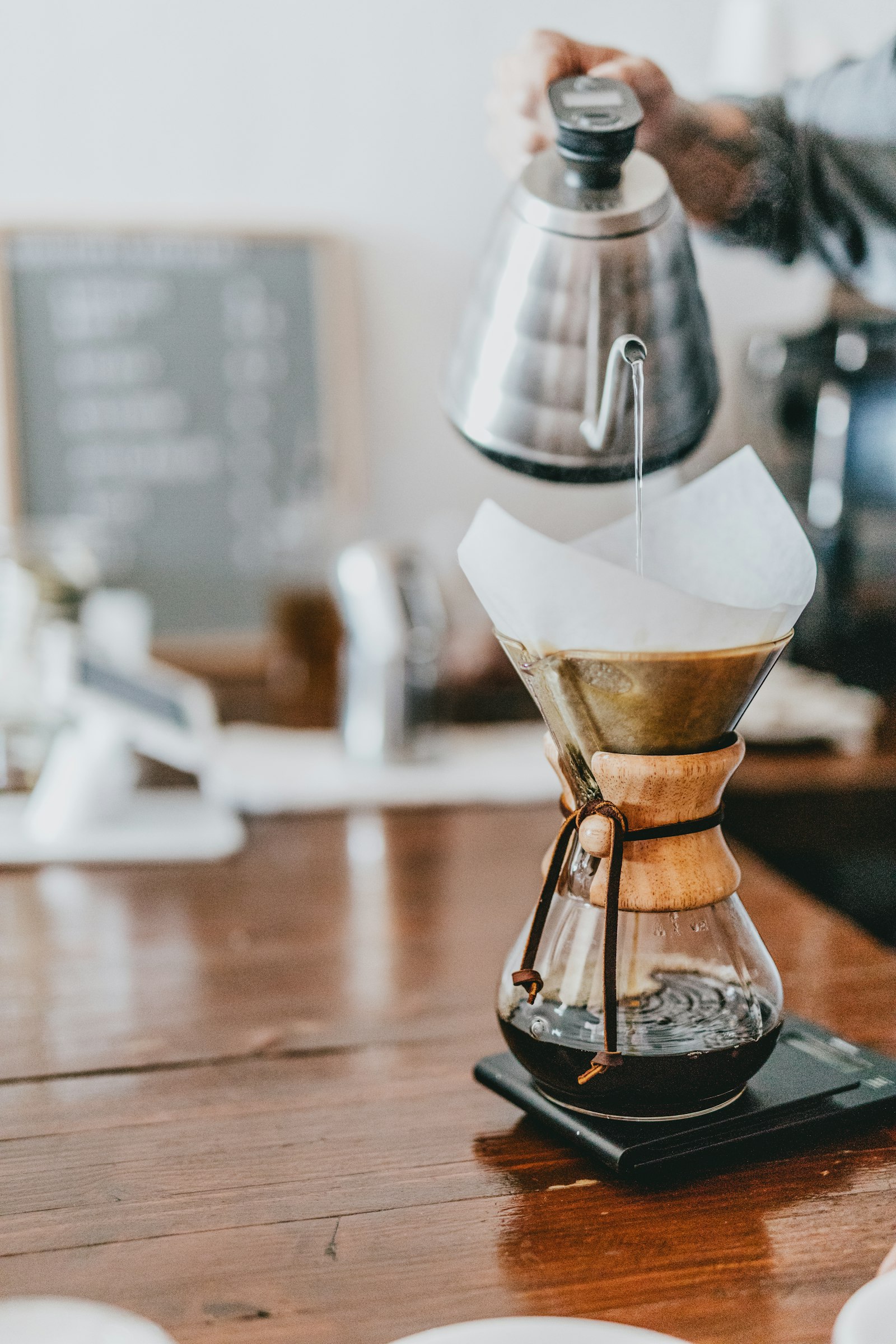
How to Choose a Pour Over Kettle: A Complete Buying Guide
What Is Cold Brew Coffee? A Complete Guide to Ratios, Steep Time, and Flavor
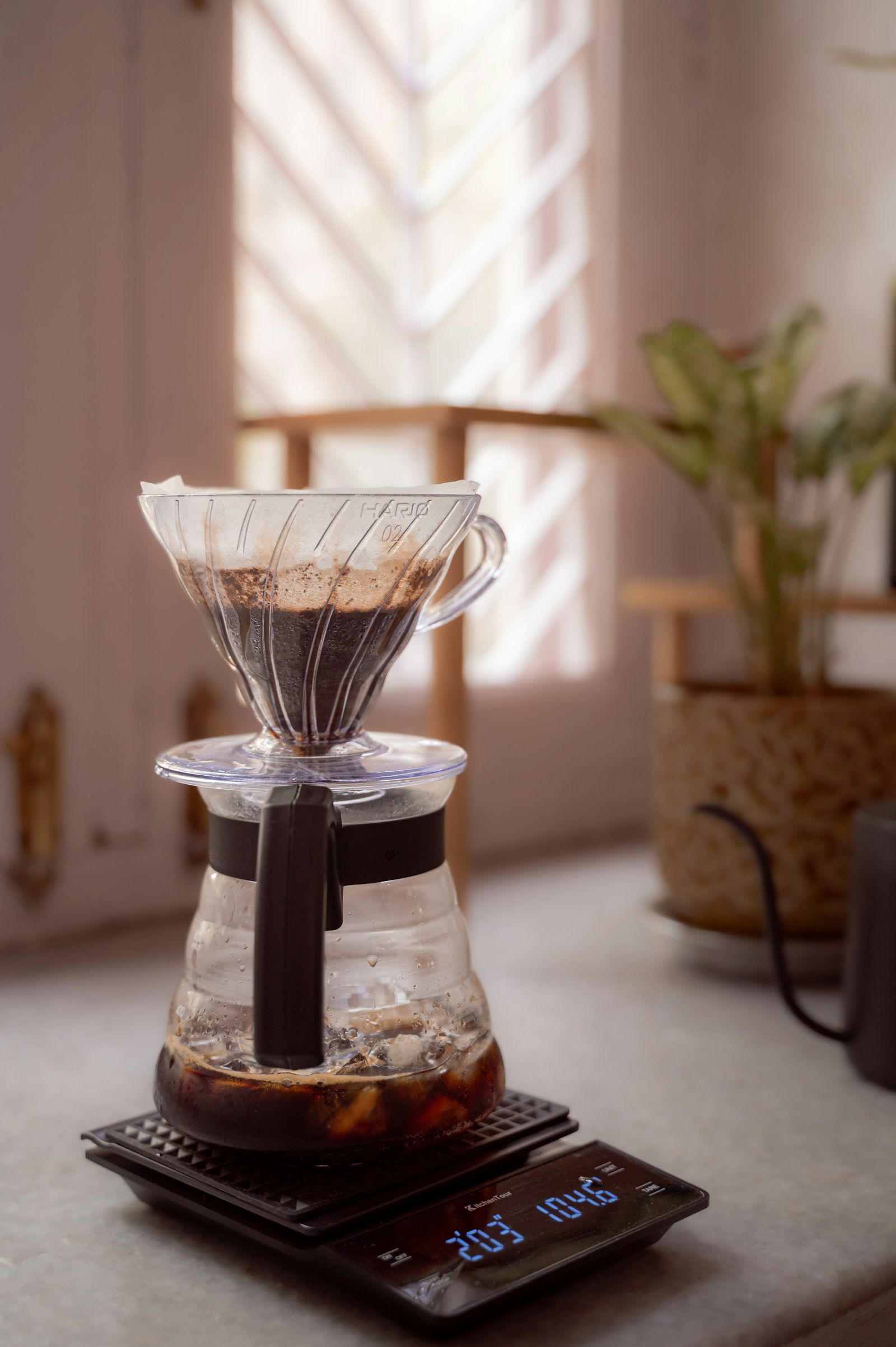
Master Pour Over Coffee: 5 Champion Barista Recipes You Can Brew at Home
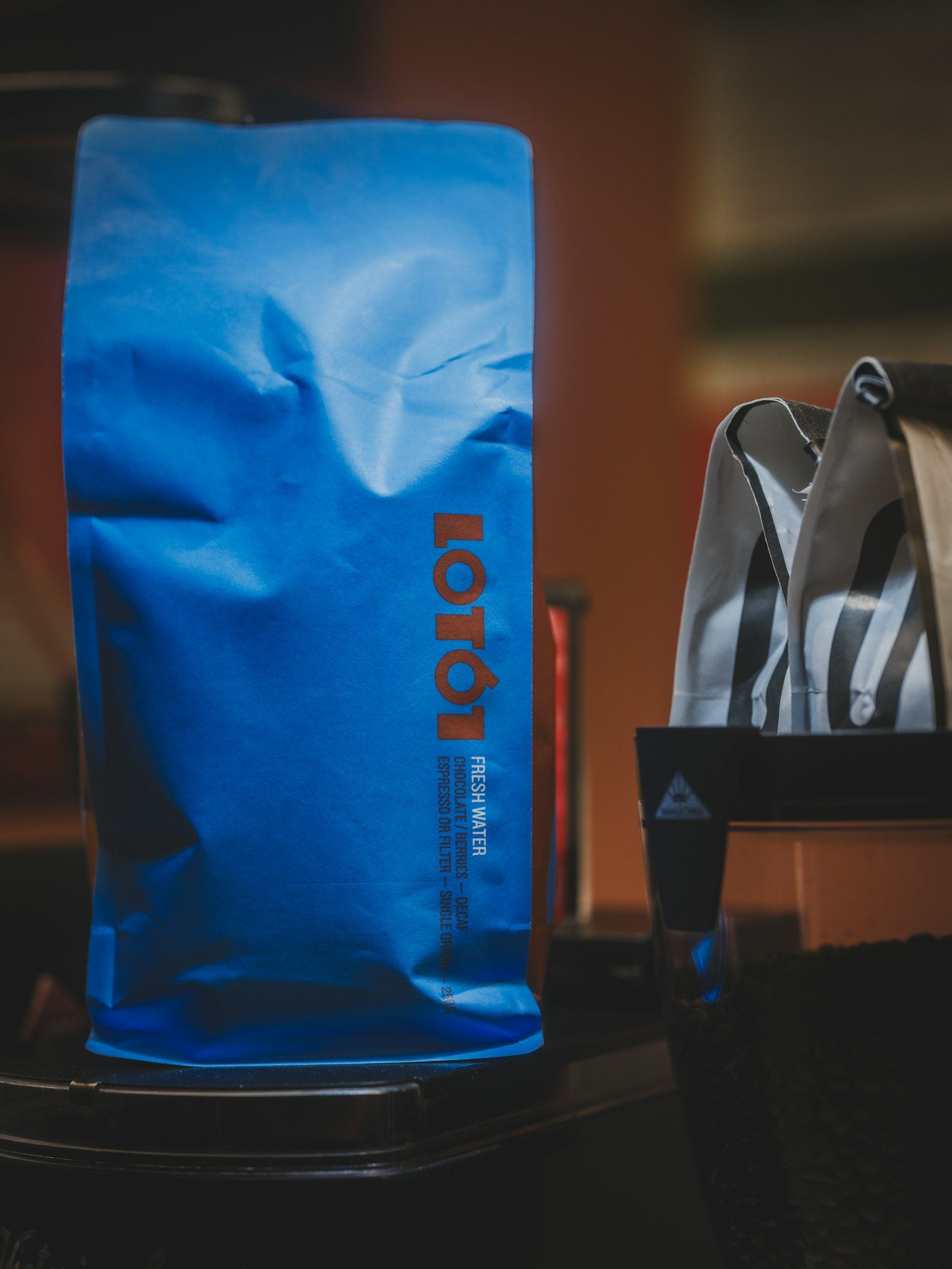
How to Read a Specialty Coffee Bag Label: 5 Details That Actually Matter