How to Choose a Pour Over Kettle: A Complete Buying Guide
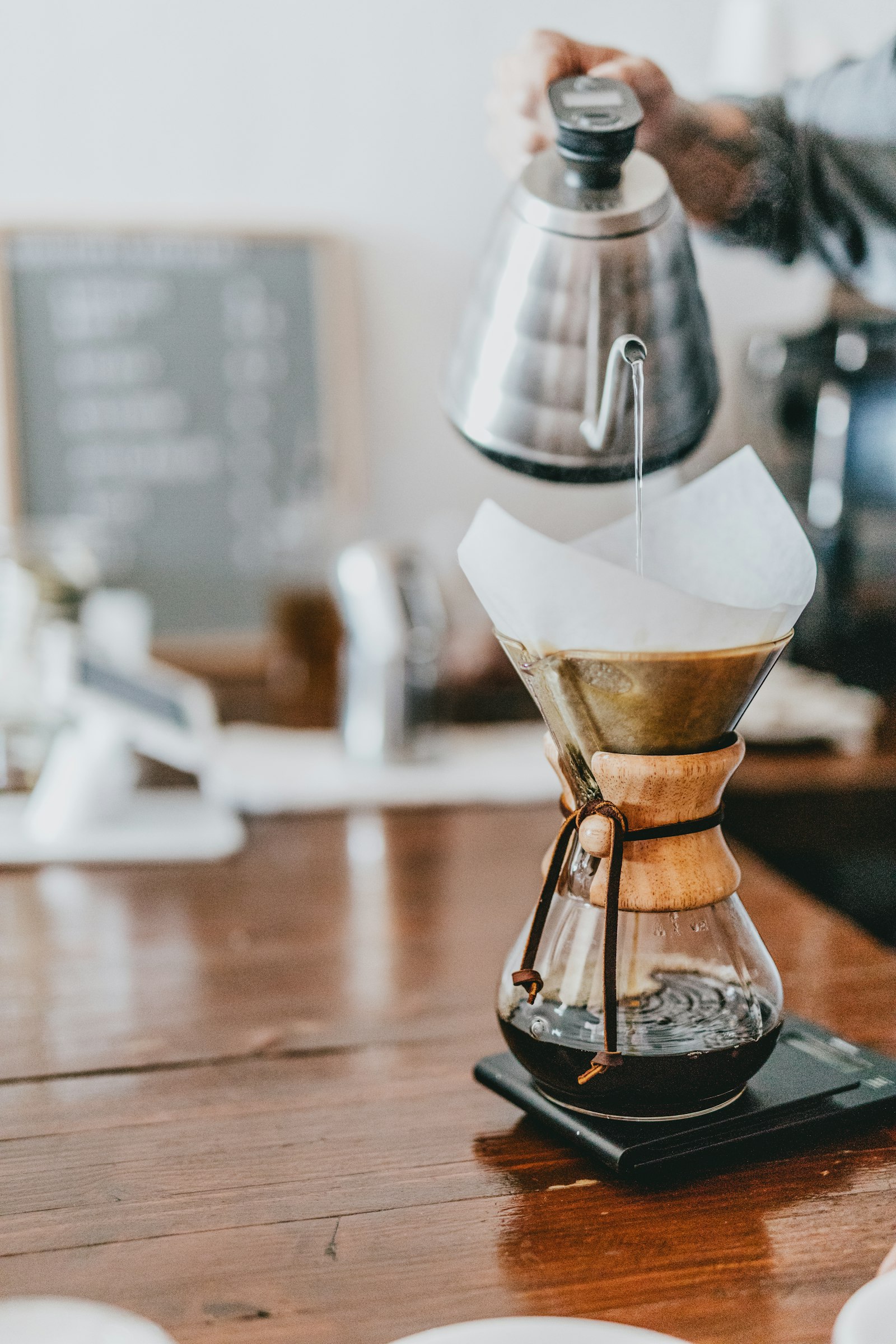
A kettle is not just a kettle once you start brewing pour over coffee seriously. The wrong one turns a calm morning ritual into a frustrating fight against a wobbly, too fast pour, while the right one gives you the kind of control that separates a flat, uneven cup from a genuinely balanced one. If you have ever wondered why so many baristas swear by a specific gooseneck kettle instead of whatever pot happens to be sitting on the stove, this guide walks through exactly what to look for.
Here is what actually matters when choosing a pour over kettle, and why each factor affects the cup in your hand.
Why a Dedicated Pour Over Kettle Matters
A regular kettle is built for one job: getting water hot as quickly as possible. A pour over kettle is built for a completely different job, delivering that water in a slow, controlled, and repeatable stream. Those are not the same problem, and a wide spout designed for speed simply cannot do what a narrow gooseneck spout does.
Without that control, water tends to gush out in an uneven splash, saturating some grounds heavily while barely touching others. That uneven saturation is one of the biggest hidden causes of a bitter, muddy, or sour cup, and no amount of good beans or a perfect grind can fully compensate for it.
The spout is the single most important part of any pour over kettle, and small differences in its shape genuinely change how the water behaves.
- Narrow, tightly curved spouts give you the finest control, ideal for slow, precise, circular pours over a small dripper like a V60 or Kalita Wave.
- Wider spouts release water faster, which suits brewers who want a shorter total brew time or are working with a larger batch.
- Spout angle affects how far you can tilt the kettle before the flow starts, which matters more than people expect once you are trying to start and stop a pour with real precision.
If you only brew one cup at a time with a small dripper, prioritize a narrow spout. If you regularly brew larger batches, a slightly wider spout will save you time without sacrificing much control.
This is largely a question of convenience versus simplicity, and both options can produce excellent coffee.
Electric kettles, especially variable temperature models, let you set an exact number and walk away, then come back to water sitting precisely where you left it. That precision is genuinely useful for delicate, light roasted coffees that taste noticeably different at 90°C versus 96°C. The tradeoff is a higher price and a bit more counter space.
Stovetop kettles are lighter, cheaper, and require no charging or power cord, but you will need a separate thermometer if you want to dial in an exact temperature rather than guessing based on how long it has been off the heat.
Neither option is objectively better. If you brew the same coffee daily and want consistency without thinking, go electric. If you prefer a simpler, more affordable setup and do not mind a little extra guesswork, stovetop works fine.
Capacity is one of the most overlooked factors, and getting it wrong makes brewing more annoying than it needs to be.
- 600 to 800 milliliters is comfortable for a single cup or two using a small V60 or Kalita Wave, and it is light enough to control easily with one hand.
- 1 to 1.2 liters suits anyone regularly brewing for two or three people, or using a larger dripper that needs more total water.
A kettle that is too large for your typical brew becomes heavy and harder to control precisely, since more water means more weight shifting as you tilt and pour. A kettle that is too small means constantly refilling mid brew, which disrupts your pour rhythm and timing.
Temperature control matters more for pour over than most people assume, since even a few degrees can shift how much acidity or bitterness gets extracted from the grounds.
Electric kettles with a built in digital display are the most convenient option, showing your exact temperature at a glance without any extra equipment. Stovetop kettles sometimes include a simple analog thermometer built into the lid, which is a helpful middle ground if you want some temperature awareness without buying an electric model. If your stovetop kettle has neither, a cheap handheld thermometer solves the problem for a few dollars.
A pour over kettle stays in your hand for the entire brew, often two to four minutes at a time, so handle comfort is not a minor detail.
- Insulated or silicone wrapped handles stay cool even when the kettle has just come off the heat or the electric base, which matters more on stovetop models.
- Handle angle and grip width affect how naturally you can tilt the kettle for slow, controlled pours without straining your wrist.
- Balance between the handle and the filled kettle body determines how tiring a long pour feels, especially if you are brewing for a group.
If possible, hold a kettle in a store before buying, or check reviews that specifically mention comfort during long pours rather than just appearance.
Stainless steel dominates the pour over kettle market for good reason. It resists rust, does not react with hot water, heats evenly, and holds up to years of daily use without degrading.
Some higher end kettles use copper for faster, more even heat distribution, though copper models typically cost more and need occasional polishing to keep their appearance. Enamel coated kettles look attractive and retain heat reasonably well, but the coating can chip over time with heavy daily use, which is worth considering if you plan to use yours every single day for years.
For most home brewers, a solid stainless steel kettle offers the best combination of durability, performance, and price.
An empty kettle can feel perfectly light in the store, then feel completely different once it is full of near boiling water. Weight and balance genuinely change your pour control, especially during long, slow pours that require holding a steady angle for a full minute or more.
A well balanced kettle keeps its center of gravity close to the handle, so tilting it does not require constant wrist compensation as the water level drops. A poorly balanced one gets noticeably harder to control in the final third of the pour, right when precision matters most for an even extraction.
A few well known styles come up constantly in pour over discussions, each with a slightly different personality.
- Hario style gooseneck kettles: simple, affordable, widely available, and a common starting point for home brewers moving up from a standard kettle.
- Fellow Stagg style kettles: known for a precisely engineered spout and comfortable handle, popular among brewers who want refined control without an electric price tag, though electric versions exist too.
- Variable temperature electric kettles: aimed at brewers who want exact, repeatable temperatures without a separate thermometer, often with presets for different brewing styles.
None of these is universally the best. The right choice depends on your budget, how much you value exact temperature control, and how often you are brewing.
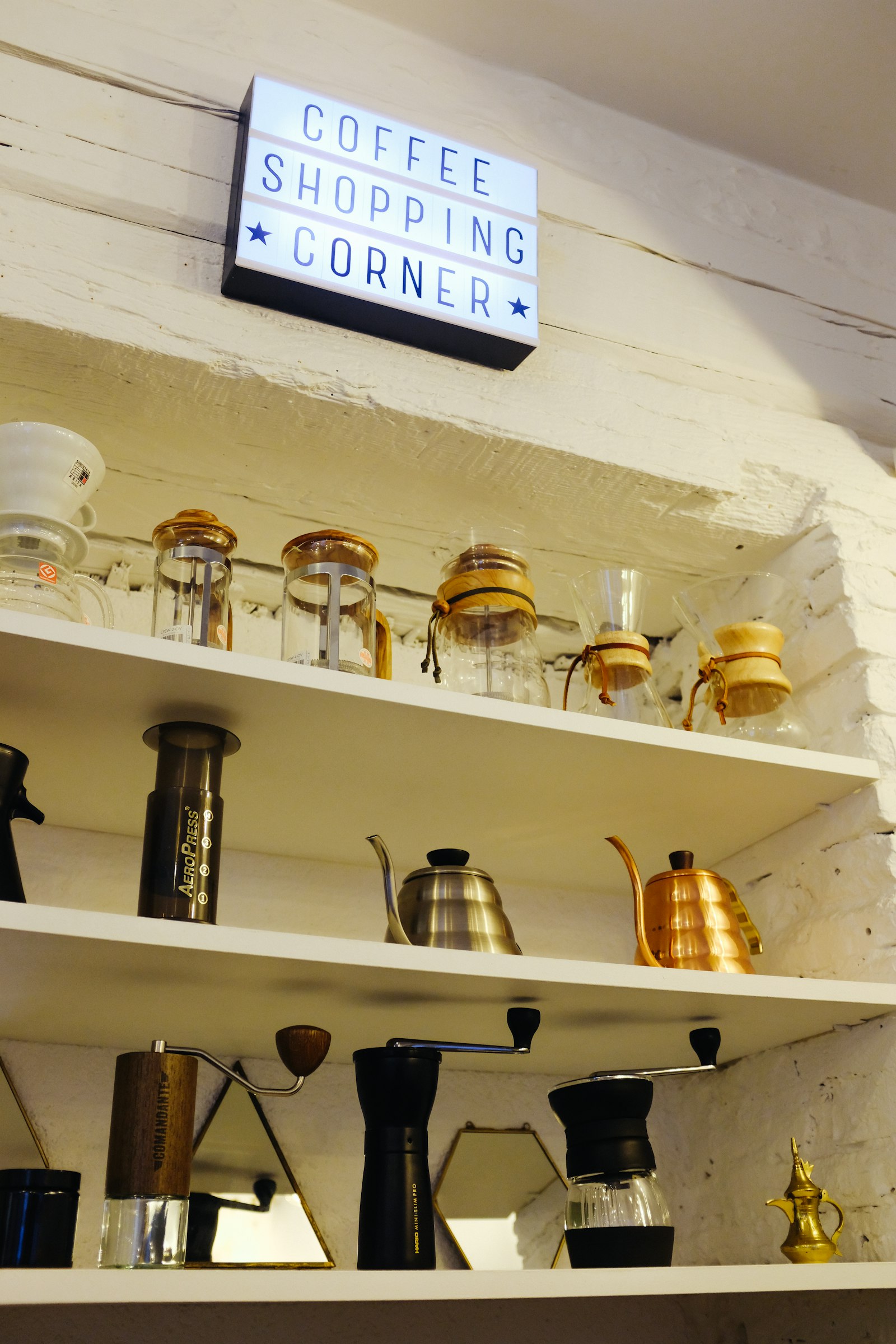
Photo by Adrien Olichon on Unsplash
A few habits consistently lead people toward a kettle that looks appealing but does not actually suit how they brew.
- Buying based on looks alone: a beautiful kettle with a poor spout design will still produce inconsistent pours, no matter how good it looks on the counter.
- Ignoring capacity needs: choosing a small kettle because it looks elegant, then struggling every time you brew for more than one person.
- Skipping the handle test: assuming all handles feel the same, then discovering discomfort only after a few weeks of daily use.
- Overpaying for features you will not use: a full featured variable temperature electric kettle is wasted on someone who only ever brews one specific coffee at one specific temperature.
- Underestimating spout width: assuming any gooseneck spout offers the same control, when width and curve genuinely change pour precision.
Matching the kettle to your actual brewing habits, rather than to what looks impressive, will serve you far better over time.
A pour over kettle is one of the few pieces of equipment where the difference between a good one and a mediocre one is immediately noticeable in the cup. Spout shape, capacity, temperature control, and balance all work together to give you the slow, even pour that pour over brewing depends on. Think honestly about how you actually brew, whether that is one careful cup each morning or coffee for a full household, and choose a kettle built for that routine rather than the one that simply looks best in photos.

Geisha Coffee From Panama: Why It's the World's Most Expensive Coffee
What Is Cold Brew Coffee? A Complete Guide to Ratios, Steep Time, and Flavor
Master Pour Over Coffee: 5 Champion Barista Recipes You Can Brew at Home
How to Read a Specialty Coffee Bag Label: 5 Details That Actually Matter
James Hoffmann's Pour Over Method: A Simple, Repeatable Way to Brew Better Coffee at Home