Geisha Coffee From Panama: Why It's the World's Most Expensive Coffee
In 2004, a coffee nobody had ever heard of walked into the Best of Panama competition and quietly rewrote what people thought coffee was capable of tasting like. Judges expecting the usual chocolate and nut profile instead got something closer to jasmine tea and ripe mango, and within a few years that same coffee was selling at auction for prices that made headlines far outside the coffee industry. That coffee was Geisha, sometimes spelled Gesha, and it remains the closest thing the coffee world has to a celebrity varietal.
Here is the full story of what Geisha actually is, why it costs so much, and what makes it taste so different from everything else in your cup.
What Geisha Coffee Actually Is
Geisha is not a brand, a roast level, or a region, it is a specific coffee varietal, meaning a genetically distinct type of coffee plant, similar to how Cabernet Sauvignon and Merlot are both grapes that produce very different wines. Its full genetic lineage traces back to wild coffee forests in Ethiopia, and its name comes from the Gesha region there, not the Japanese entertainers the similar spelling often brings to mind.
What sets Geisha apart from more common varietals like Bourbon or Typica is a naturally low yield paired with an unusually intense, floral, tea like cup profile that most other coffee plants simply cannot produce, no matter how carefully they are grown or processed.
Geisha's journey to fame took decades. Plant material was collected from Ethiopian forests around the 1930s and eventually made its way through research institutions in East Africa before arriving in Central America through CATIE, an agricultural research center, in the 1950s, cataloged under the reference number T2722.
For roughly fifty years after that, Geisha was mostly ignored. It was planted here and there across Central America mainly because it happened to resist coffee leaf rust reasonably well, not because anyone had identified its exceptional flavor potential. Its low yield made it commercially unappealing compared to higher producing varietals, so it sat quietly in the background of the coffee world for half a century.
Everything changed because of a single farm: Hacienda La Esmeralda in Boquete, Panama, run by the Peterson family. While preparing samples for the 2004 Best of Panama competition, they included a small batch of Geisha almost as an afterthought, not expecting much from a varietal known mainly for low yield.
The judges were stunned. The coffee scored dramatically higher than anything else in the competition, and word spread through the specialty coffee world almost overnight. What had been an obscure, barely planted varietal for fifty years suddenly became the most talked about coffee on earth, and farms across Panama began aggressively planting it in the years that followed.
Most coffee drinkers describe their first proper cup of Geisha as genuinely surprising, because it tastes less like traditional coffee and more like a delicate floral tea layered with tropical fruit.
Common tasting notes include:
- Jasmine and bergamot: a perfumed, floral quality that shows up clearly in the aroma before you even taste it.
- Stone fruit and mango: a sweet, juicy fruit character rather than the heavier chocolate or nut notes typical of many other coffees.
- Tea like body: a lighter, more delicate mouthfeel compared to the fuller body of a typical washed coffee.
- Bright, clean acidity: lively without tipping into sourness when the coffee is well grown and properly processed.
This flavor profile is shaped by a combination of genetics, the high elevation microclimates found in parts of Panama, and careful processing, all working together rather than any single factor alone.
A few factors combine to push Geisha prices far above ordinary specialty coffee, and none of them are marketing gimmicks.
- Low yield: Geisha plants simply produce fewer cherries per tree than most other varietals, meaning more land and labor are needed to harvest the same volume of coffee.
- Elevation requirements: the best Geisha grows at high altitude, often above 1,500 meters, where farming is more difficult, slower, and more labor intensive.
- Intense global demand: once word got out, buyers from Japan, the United States, China, and Europe began competing aggressively for limited lots, driving auction prices upward year after year.
- Competition and auction culture: the Best of Panama auction created a public, transparent bidding process that pushed record setting lots into international headlines, further fueling demand.
At auction, the most exceptional natural processed lots have sold for well over 800 US dollars per pound, a figure that sounds almost unbelievable next to a typical bag of specialty coffee priced between 15 and 25 dollars.
Best of Panama is an annual competition and auction where the country's top coffee lots are cupped, scored, and ranked by an international panel of judges. The highest scoring lots then go to public auction, where roasters and importers around the world bid directly against each other in real time.
This transparent, competitive format is part of why Geisha prices climb so dramatically. Unlike private deals negotiated behind closed doors, everyone can see exactly what a winning lot sold for, which creates both intense competition and enormous publicity every single year the results come out.
Panama's best Geisha comes almost entirely from a small cluster of highland regions near the Costa Rican border.
- Boquete: the birthplace of Geisha's fame, home to Hacienda La Esmeralda and many of the most awarded farms in the country.
- Volcán: another high elevation area known for volcanic soil and cooler temperatures that slow cherry ripening, concentrating flavor development.
- Renacimiento: a growing region gaining recognition in recent years for producing increasingly competitive, high scoring Geisha lots.
All three regions share volcanic soil, high elevation, and a cool, misty microclimate near the Baru volcano, conditions that appear to be genuinely important for Geisha's distinctive flavor, not just marketing language.
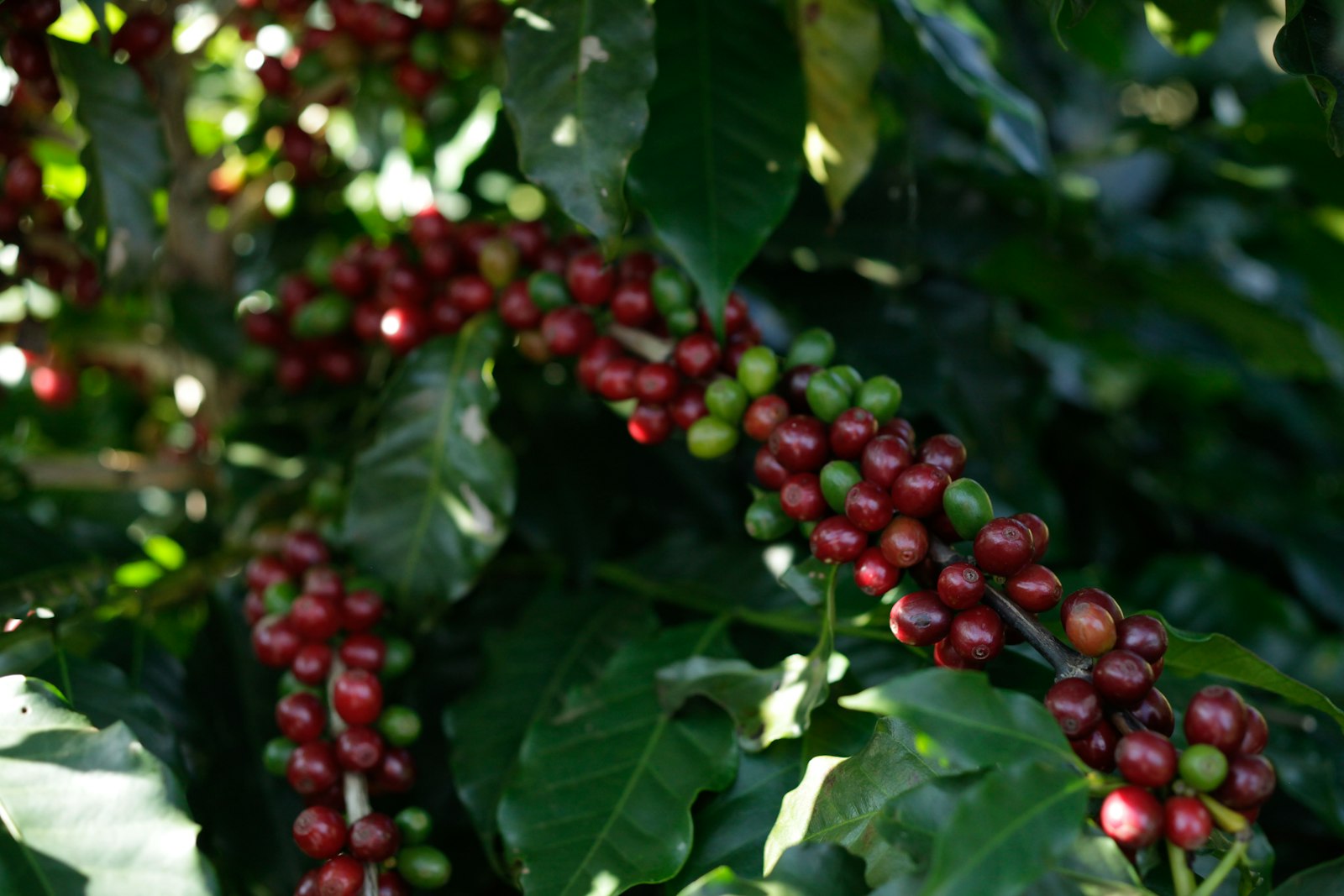
Photo by PROJETO CAFE GATO MOURISCO on Unsplash
How Geisha cherries are processed after harvest changes the final cup almost as much as the plant genetics themselves.
- Washed process: the fruit is removed before drying, producing the cleanest, most classically floral and tea like expression of Geisha, often considered the truest representation of the varietal.
- Natural process: the whole cherry dries around the bean, adding heavier tropical fruit sweetness and a fuller body, often the style that sets record prices at auction.
- Honey process: some fruit mucilage stays on the bean during drying, landing between washed and natural in both sweetness and clarity.
Many of the highest scoring, most expensive auction lots use natural processing, since it tends to amplify the fruit forward character judges respond to most strongly during competitive cupping.
Given the price, it would be a shame to brew Geisha carelessly. A few adjustments help highlight what makes it special rather than masking it.
- Choose a light roast: Geisha is almost always roasted light to preserve its floral and fruit forward character, since darker roasts tend to bury those delicate notes under roast flavor.
- Brew pour over rather than espresso: methods like V60 or Chemex let the delicate aromatics shine, while espresso's intensity can overwhelm Geisha's subtlety.
- Use slightly cooler water: around 90°C to 92°C often works better than near boiling water, protecting the floral notes from over extraction.
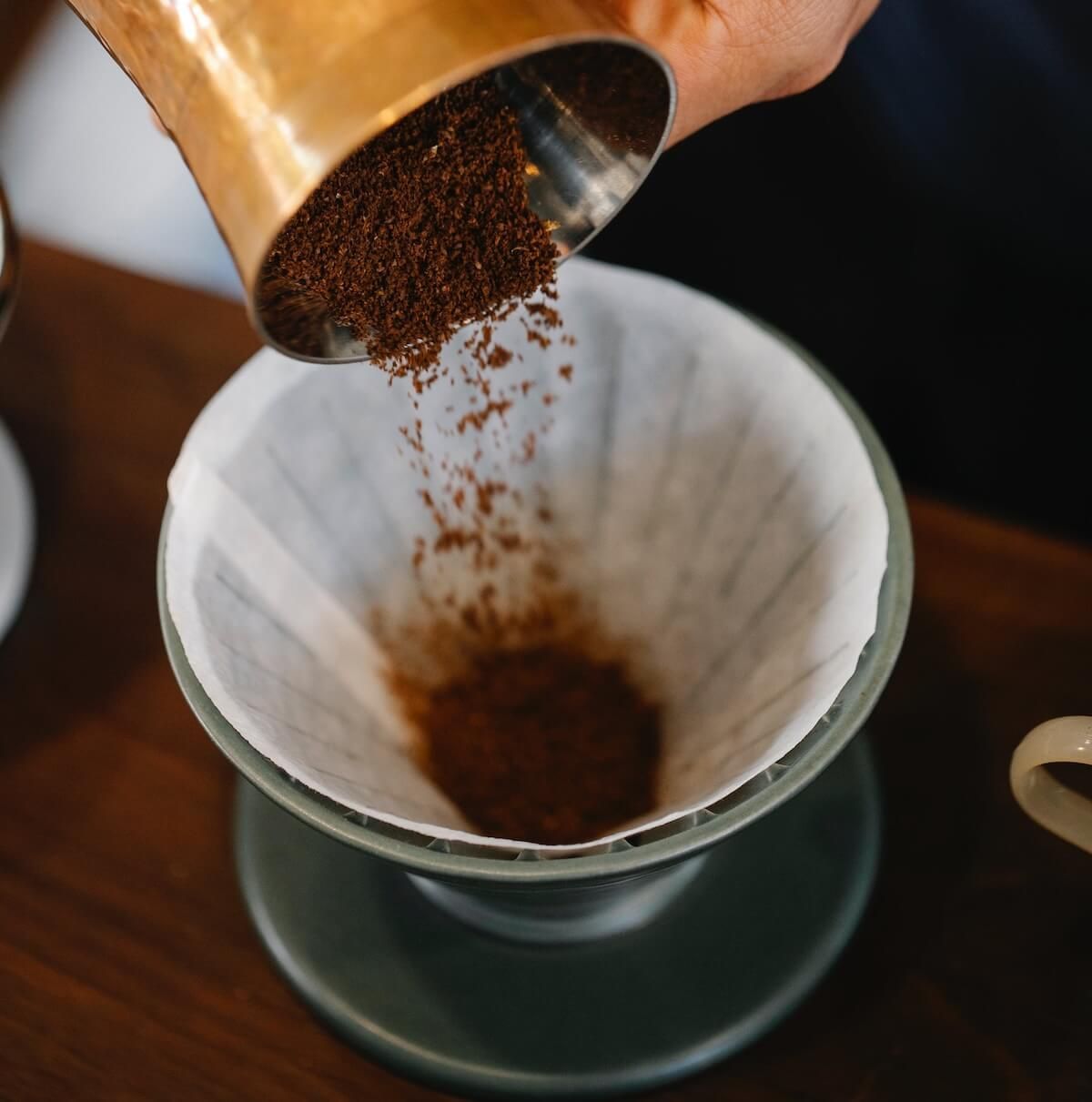
- Grind medium fine and pour gently: slow, controlled pours extract more evenly, which matters even more with a coffee this expensive and delicate.
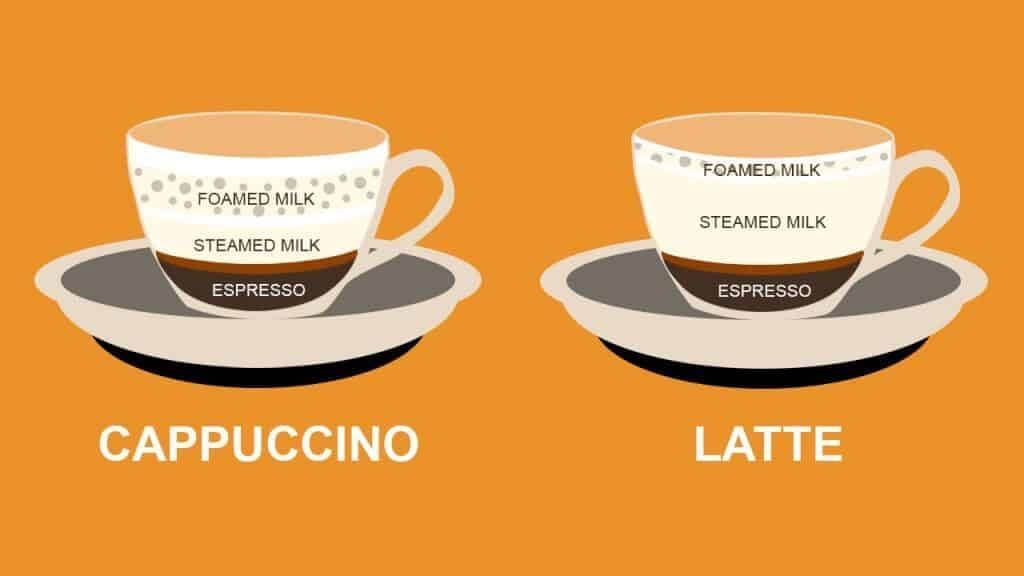
- Taste it black first: milk and sugar will mute exactly the qualities you paid a premium for, so taste it plain before deciding whether to add anything at all.
This depends entirely on what you are looking for. If you are used to standard specialty coffee and simply want a reliably good daily cup, a lower priced Panama Geisha lot, which still exists and typically runs well below the record setting auction prices, can offer a genuine taste of the varietal without the extreme cost.
If you are curious about experiencing coffee at its most expressive and unusual, even a modestly priced Geisha, often available from specialty roasters for a reasonable premium over regular beans, will show you why the variety earned its reputation in the first place. The record breaking, hundreds of dollars per pound lots are more collector's items and competition showcases than everyday drinking coffee, even among dedicated coffee enthusiasts.
Geisha's story is a rare example of a plant sitting quietly ignored for fifty years before a single competition entry changed how the entire coffee industry thinks about flavor potential. Its combination of low yield, demanding growing conditions, and a genuinely unique floral, fruit forward cup is what justifies its reputation, not clever marketing. Whether or not the record setting auction prices make sense to you, tasting a well made Geisha at least once is one of the more eye opening experiences specialty coffee has to offer.

How to Choose a Pour Over Kettle: A Complete Buying Guide
What Is Cold Brew Coffee? A Complete Guide to Ratios, Steep Time, and Flavor
Master Pour Over Coffee: 5 Champion Barista Recipes You Can Brew at Home
How to Read a Specialty Coffee Bag Label: 5 Details That Actually Matter
James Hoffmann's Pour Over Method: A Simple, Repeatable Way to Brew Better Coffee at Home